Back to tour
Lumle Holidays — Making your dreams possible!

Your holiday itinerary

Annapurna Base Camp: Trekking, Himalayas, Culture & Scenic Views

Extraordinary journeys. Thoughtfully arranged.

Annapurna Base Camp: Trekking, Himalayas, Culture & Scenic Views
Itinerary duration
16 days
Departure city
New York
Prepared on
23 November 2026

Discover your journey

Overview

Embark on a once-in-a-lifetime Annapurna Base Camp trek, a 16-day adventure that combines culture, scenery, and the thrill of high-altitude trekking. From the lively streets of Kathmandu to the tranquil lakeside of Pokhara, your journey leads through rhododendron forests, terraced farmlands, and Gurung villages before entering the awe-inspiring Annapurna Sanctuary.

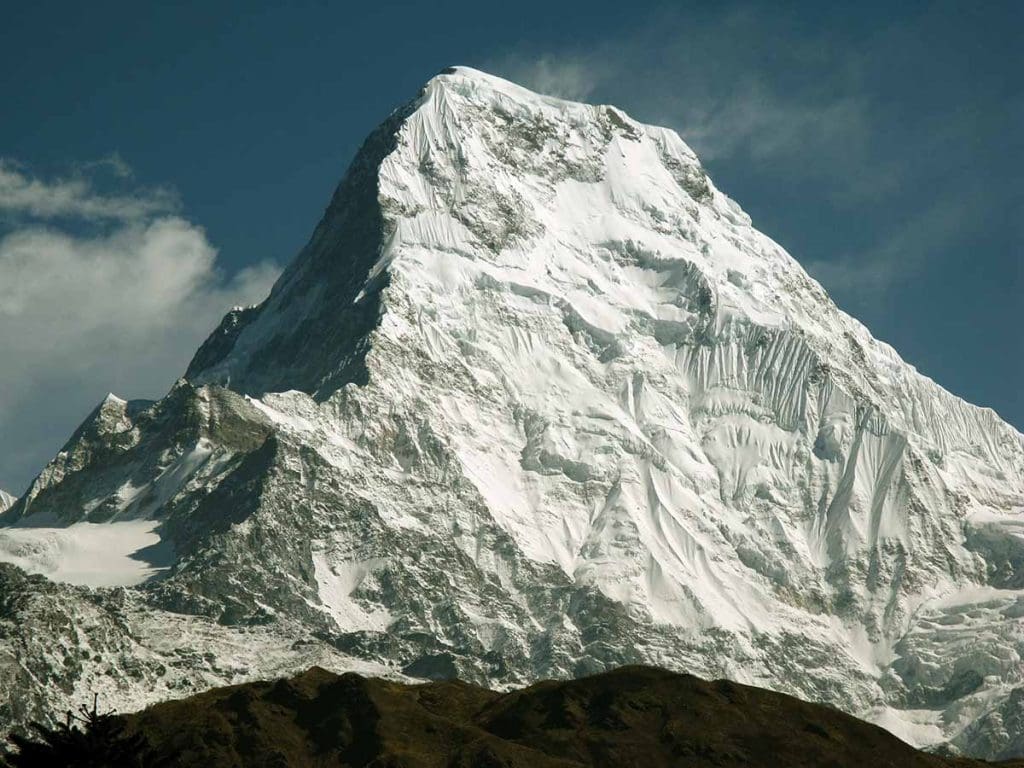
Standing at 4,130m, the Base Camp offers panoramic views of Annapurna I, Machhapuchhre, and Hiunchuli—peaks that glow with dawn’s first light. Along the way, experience the warmth of Nepalese hospitality, stay in traditional teahouses, and soak in natural hot springs at Jhinu Danda. With careful pacing, expert guides, and full support, this trek is designed for both comfort and adventure, ensuring you witness the best of Nepal’s mountain landscapes in one unforgettable journey.

Your journey at a glance

Short Itinerary

  1. Day 01Departure New York → Kathmandu
  2. Day 02Arrive Kathmandu (1,350m) – Leisure & First Impressions
  3. Day 03Kathmandu → Pokhara (827m) – Lakeside Leisure
  4. Day 04Drive to Nayapul (1,070m) – Trek to Tikhedhunga (1,540m)
  5. Day 05Trek to Ghorepani (2,860m)
  6. Day 06Sunrise at Poon Hill (3,210m) – Trek to Tadapani (2,630m)
  7. Day 07Trek to Chhomrong (2,170m)
  8. Day 08Trek to Bamboo (2,310m)
  9. Day 09Trek to Deurali (3,200m)
  10. Day 10Deurali → Machhapuchhre Base Camp (3,700m) → Annapurna Base Camp (4,130m)
  11. Day 11Sunrise at Annapurna Base Camp (4,130m) – Trek back to Bamboo (2,310m)
  12. Day 12Trek to Jhinu Danda (1,780m) – Hot Springs by the River
  13. Day 13Trek to Siwai/New Bridge – Drive to Pokhara (827m)
  14. Day 14Free Day in Pokhara (827m) – Relaxation & Exploration
  15. Day 15Pokhara → Kathmandu (1,350m) – Return Journey
  16. Day 16Depart Kathmandu → New York

Every day, a new discovery

Day-by-Day Itinerary

DAY01

Departure New York → Kathmandu

Today you begin your journey by boarding your international outbound flight to Kathmandu, gateway to your Annapurna Base Camp trek.

You can fly from a choice of various local airports at extra cost. The easily overlooked details can have a major effect on your holiday. One of the ways we plan your holiday to be as carefree as possible is to offer departures from regional airports. With a wider selection of schedules, set off at a time that suits you best. You can check available departure points during stage 4 of the online booking process.

Travel notes: Popular routings to Kathmandu (KTM) include Qatar Airways via Doha, Emirates via Dubai, Turkish Airlines via Istanbul and Air India via Delhi. If you prefer an easier pace, build a longer connection between flights.

DAY02

Arrive Kathmandu (1,350m) – Leisure & First Impressions

Arrive in the vibrant capital of Nepal, descending into the Kathmandu Valley surrounded by rolling green hills and distant Himalayan peaks. After completing arrival formalities, you will be greeted and transferred to your hotel. The rest of the day is free for leisure to recover from your international flight.

You may choose to take a gentle stroll through the lively lanes of Thamel, where prayer flags flutter above colourful shops, or simply relax at your hotel and soak in the first atmosphere of your Annapurna Base Camp trek journey.

Travel notes: Kathmandu offers plenty of dining options and rooftop cafés overlooking the bustling streets. Ensure you have local currency (Nepalese Rupees) for small expenses. This evening your trekking leader will brief you on the trek and assist with any last-minute preparations.

DAY03

Kathmandu → Pokhara (827m) – Lakeside Leisure

After breakfast, you will transfer to the airport for a short scenic flight to Pokhara, Nepal’s picturesque lake city. On a clear day, the flight offers breathtaking aerial views of the Himalayan range, including Annapurna, Manaslu, and Dhaulagiri. Alternatively, you may choose an overland drive of around 6–7 hours, following the Trisuli River through green valleys and terraced hillsides.

Upon arrival in Pokhara, settle into your hotel and enjoy leisure time at the lakeside. Take a serene boat ride on Phewa Lake, visit the island temple, or simply relax at one of the many cafés and restaurants overlooking the water, with the majestic Machhapuchhre (Fishtail Mountain) standing tall in the distance.

Travel notes: The flight from Kathmandu to Pokhara takes about 25 minutes, but weather delays are possible, especially during the monsoon. Overland drives are scenic but longer. Pokhara offers plenty of evening activities such as strolling along the lakeside promenade, visiting local handicraft shops, or enjoying live music at one of the many relaxed bars.

DAY04

Drive to Nayapul (1,070m) – Trek to Tikhedhunga (1,540m)

After breakfast, a short scenic drive brings you to Nayapul, the official starting point of your Annapurna Base Camp trek. From here, your walk begins along the banks of the Modi Khola, with trails weaving through terraced rice fields, small hamlets, and across charming suspension bridges.

The path gently ascends, introducing you to the daily rhythm of trekking life. You will pass through villages like Birethanti, where traditional stone houses line cobbled lanes, before continuing on to Tikhedhunga. Nestled beside a cascading river, this peaceful village offers the perfect spot to rest after your first day on the trail.

Travel notes: Walking time today is around 4–5 hours, mostly on easy terrain with some gentle climbs. Be prepared for varied surfaces including stone steps and earthen paths. Trekking poles are useful to ease pressure on knees during ascents and descents.

DAY05

Trek to Ghorepani (2,860m)

Today’s trek is one of the most memorable as you ascend the famed stone staircase of Ulleri, a steep but rewarding climb through traditional Gurung settlements. The trail leads gradually upwards through dense rhododendron and oak forests, alive with birdsong and, in spring, a blaze of red and pink blooms.

As you gain altitude, the air cools and the views expand, revealing sweeping valleys and distant snow peaks peeking through the trees. Eventually you reach Ghorepani, a charming village perched on a ridge and surrounded by forest. This settlement, once an important rest stop for traders, is now a popular base for trekkers preparing to witness the famed sunrise from nearby Poon Hill.

Travel notes: Walking time is typically 6–7 hours with significant ascent. Pace yourself steadily, taking regular breaks to enjoy the forest scenery. Ghorepani sits at nearly 2,900m—begin monitoring your body’s response to altitude, hydrate often, and rest well for the early climb tomorrow.

DAY06

Sunrise at Poon Hill (3,210m) – Trek to Tadapani (2,630m)

Rise before dawn for a short but steep climb to Poon Hill (3,210m), one of the most celebrated viewpoints in the Annapurna region. As the first light of day breaks over the horizon, the mighty peaks of Dhaulagiri, Annapurna I, Annapurna South, Machhapuchhre (Fishtail), and many others glow in golden and crimson hues. This breathtaking panorama is an unforgettable highlight of your journey.

After descending to Ghorepani for breakfast, begin the trek towards Tadapani. The trail winds through ancient rhododendron and oak forests, where filtered light creates an enchanting atmosphere. Gentle ascents and descents carry you across ridges and streams until you reach Tadapani, a small settlement perched on a ridge with stunning close-up views of Annapurna South and Machhapuchhre.

Travel notes: Walking time is around 6 hours including the sunrise hike. The climb to Poon Hill can be chilly—carry a warm layer and gloves. Trails through the forest may be damp and slippery after rain, so use trekking poles and wear sturdy footwear.

DAY07

Trek to Chhomrong (2,170m)

After breakfast in Tadapani, begin your descent through thick rhododendron and oak forest. The trail meanders steeply down to the rushing waters of the Kimrong Khola, where you’ll cross a small bridge before starting a gradual climb on the opposite side of the valley.

The ascent offers spectacular views of Annapurna South, Hiunchuli, and the soaring blade of Machhapuchhre (Fishtail). As you approach the village of Chhomrong, terraced fields and traditional Gurung homes dot the landscape, adding to the charm of the journey. Chhomrong itself is a welcoming village stretched along a hillside ridge, considered the gateway to the sacred Annapurna Sanctuary.

Travel notes: Walking time is about 5–6 hours with a steep descent followed by a steady ascent. This stage is a mix of “Nepali flat” (undulating trails) and stone staircases. Chhomrong offers excellent mountain views and is the last permanent settlement before entering the higher reaches of the Sanctuary.

DAY08

Trek to Bamboo (2,310m)

This morning, descend on a long stone staircase to the Chhomrong Khola and cross the suspension bridge over its tumbling waters. From here, the trail climbs again through dense forest, passing through small clearings and occasional tea houses. The air becomes cooler and damper as you enter a lush green corridor filled with bamboo groves, ferns, and towering rhododendron trees.

The path is quieter here, with birdsong and the rustle of leaves accompanying your walk. Eventually, you reach the village of Bamboo, a tranquil stop named after the thick bamboo stands surrounding it. Nestled deep in the valley, it offers a serene atmosphere and the first real sense of entering the heart of the Annapurna Sanctuary.

Travel notes: Walking time is around 5–6 hours with a steep descent followed by steady climbs. Trails can be humid and slippery in this section—trekking poles and good footwear are highly recommended. In monsoon months, watch for leeches in shaded forest areas.

DAY09

Trek to Deurali (3,200m)

Leaving Bamboo, the trail continues along the Modi Khola gorge, gradually climbing through dense forests of oak, rhododendron, and bamboo. You pass through the small settlements of Dovan (2,600m) and Himalaya (2,920m), where tea houses provide welcome rest stops. As the valley narrows, dramatic cliffs rise on either side, and waterfalls cascade down the rock walls, creating a spectacular backdrop.

Beyond Himalaya, the vegetation begins to thin and the forest gives way to alpine meadows scattered with boulders. Passing the famous Hinku Cave, once a shelter for early mountaineers, the trail steadily climbs until you reach Deurali (3,200m). Nestled beneath steep cliffs, Deurali offers awe-inspiring views of the valley ahead and signals your approach to the Annapurna Sanctuary.

Travel notes: Walking time is about 6–7 hours with steady uphill sections. You will now be sleeping above 3,000m, so it’s important to pace yourself, stay hydrated, and monitor for any signs of altitude sickness. Evenings can be chilly at this altitude—keep warm layers easily accessible.

DAY10

Deurali → Machhapuchhre Base Camp (3,700m) → Annapurna Base Camp (4,130m)

Today is one of the most spectacular stages of the entire trek. Leaving Deurali, the trail ascends steadily above the river, weaving through alpine meadows and moraine-filled landscapes. The trees disappear, and the scenery opens into a world of high peaks and glaciers. You will follow the valley as it curves towards the foot of Machhapuchhre (Fishtail Mountain), arriving at Machhapuchhre Base Camp (MBC, 3,700m). Here you are already surrounded by soaring walls of rock and ice, with dramatic close-up views of Machhapuchhre’s sharp summit.

After a short rest, the trail continues to climb gradually into the heart of the Annapurna Sanctuary. As you approach Annapurna Base Camp (4,130m), the panorama widens dramatically into a natural amphitheatre ringed by some of the world’s highest mountains—Annapurna I (8,091m), Hiunchuli (6,441m), Annapurna South (7,219m), Gangapurna (7,455m), and many more. Arriving at ABC is an unforgettable moment—standing amid this circle of giants, prayer flags fluttering in the crisp mountain air, you feel both humbled and uplifted.

As evening falls, watch the changing colours of the peaks as the sun sets, painting the icy summits in shades of gold, pink, and fiery red—a memory to last a lifetime.

Travel notes: Walking time is 5–6 hours with a steady uphill gradient. At over 4,000m, altitude can be challenging—move slowly, stay hydrated, and rest as needed. Nights at ABC can be very cold, with temperatures often dropping below freezing, so carry warm clothing and a good sleeping bag.

DAY11

Sunrise at Annapurna Base Camp (4,130m) – Trek back to Bamboo (2,310m)

Wake early today to witness one of the most extraordinary sights in the Himalaya—sunrise over the Annapurna Sanctuary. As the first rays of light crest the horizon, the towering faces of Annapurna I, Annapurna South, Machhapuchhre, and Hiunchuli ignite in shades of rose, gold, and crimson. Few experiences rival this breathtaking moment, surrounded by the world’s most iconic peaks in absolute silence except for the whisper of the wind.

After a hearty breakfast at Base Camp, begin your descent. Retracing your steps via Machhapuchhre Base Camp and Deurali, you’ll pass familiar landmarks but from a different perspective, with the descending path revealing new angles of the valley and cascading waterfalls. Continue steadily down to the forested village of Bamboo (2,310m), where the warmer air and lush greenery mark your return from the high alpine world.

This long day of trekking ends in the tranquillity of Bamboo, where you can relax in a teahouse and reflect on your time in the Annapurna Sanctuary.

Travel notes: Walking time is around 6–7 hours, with most of the journey downhill. While descents are generally easier on the lungs, they can be tough on the knees—trekking poles and a steady pace are highly recommended. Expect a mix of stone steps and forest trails on the way down.

DAY12

Trek to Jhinu Danda (1,780m) – Hot Springs by the River

From Bamboo, the trail leads you back through lush rhododendron and bamboo forest, alive with the sounds of birds and flowing streams. You’ll retrace part of the route to Sinuwa and continue towards Chhomrong, descending the steep staircase that once marked your entry into the Sanctuary. After crossing the Chhomrong Khola once more and climbing back to the ridge, you leave the main trail and make your way down to Jhinu Danda (1,780m).

This peaceful hillside village is famous for its natural hot springs, located beside the river. After several days of trekking, a soothing dip in the warm pools surrounded by forested hills is the perfect way to relax and rejuvenate your tired muscles.

Evening in Jhinu is tranquil, with wonderful sunset views across the valley and a chance to mingle with fellow trekkers sharing stories of the journey.

Travel notes: Walking time is 5–6 hours. The descent to Jhinu Danda is steep and requires careful footing. Pack a small towel and sandals if you plan to bathe in the hot springs. Carry water and snacks, as the last stretch can feel longer after the day’s ups and downs.

DAY13

Trek to Siwai/New Bridge – Drive to Pokhara (827m)

After breakfast, begin your final day on the trekking trail. From Jhinu Danda, the path descends through terraced farmland and small traditional villages, following the lively waters of the Modi Khola. The scenery is a mix of cultivated fields, forested ridges, and glimpses of snow peaks far behind you, offering a gentle farewell to the Himalaya.

The trek gradually leads you to the road head at Siwai or New Bridge, where your vehicle will be waiting. From here, a scenic drive of around 2–3 hours takes you back to Pokhara. On arrival, check into your hotel and enjoy the comforts of lakeside living once more. You may choose to take a boat ride on Phewa Lake, relax at a café along the promenade, or simply rest after your rewarding days on the trail.

Evening in Pokhara is free to enjoy at leisure, whether you prefer to explore its vibrant nightlife or unwind with a quiet lakeside dinner.

Travel notes: Walking time today is shorter, about 3–4 hours, followed by a drive. This stage is often used as a comfortable buffer in case of earlier trail or weather delays. Once back in Pokhara, take the opportunity to sort gear, enjoy a hot shower, and celebrate the completion of your trek.

DAY14

Free Day in Pokhara (827m) – Relaxation & Exploration

Today is kept free in Pokhara to allow you to relax and enjoy the charms of this lakeside city at your own pace. After the exertions of your trek, take time to simply rest, stroll along the promenade of Phewa Lake, or indulge in a coffee at one of the many lakeside cafés with stunning views of Machhapuchhre (Fishtail) reflected in the water.

If you wish to explore further, Pokhara offers a variety of attractions. Visit the mystical Gupteshwor Cave and the thundering Davis Falls, or take a short hike or taxi ride to the World Peace Pagoda for panoramic views of the lake, city, and surrounding mountains. For those interested in culture, the International Mountain Museum offers fascinating insights into Himalayan climbing history.

Evening is free to enjoy Pokhara’s lively yet laid-back atmosphere—perhaps sample local cuisine, shop for handicrafts, or simply relax in preparation for tomorrow’s journey back to Kathmandu.

Travel notes: Optional activities such as paragliding, cycling, or boat rides can be arranged locally at extra cost. Pokhara’s relaxed pace makes it a wonderful place to reflect on your trek before returning to the bustle of Kathmandu.

DAY15

Pokhara → Kathmandu (1,350m) – Return Journey

After breakfast, depart Pokhara for the return to Kathmandu. You may choose to take a short, scenic domestic flight of around 25 minutes, offering one last chance to glimpse the majestic peaks of the Annapurna and Manaslu ranges from the air. Alternatively, a drive of approximately 6–7 hours along the Prithvi Highway provides a final look at Nepal’s diverse landscapes, with rivers, terraced hillsides, and bustling roadside towns.

Upon arrival in Kathmandu, transfer to your hotel. The remainder of the day is free—ideal for last-minute shopping in the vibrant markets of Thamel, visiting any of the city’s UNESCO World Heritage sites you may have missed earlier, or simply relaxing at your hotel after your Himalayan adventure.

In the evening, you may wish to enjoy a farewell dinner at a traditional Nepali restaurant, celebrating the completion of your Annapurna Base Camp trek with cultural performances and authentic cuisine.

Travel notes: Flight schedules between Pokhara and Kathmandu can be affected by weather, so overland travel may sometimes be preferable. Allow ample time for airport transfers on your departure day. This evening is your last chance to experience Kathmandu’s vibrant culture before your international flight home tomorrow.

DAY16

Depart Kathmandu → New York

After breakfast, enjoy your final morning in Kathmandu. Depending on your flight time, you may have a few hours to stroll through the bustling streets of Thamel, pick up last-minute souvenirs such as pashminas or hand-carved crafts, or simply relax at your hotel reflecting on the memories of your Annapurna Base Camp trek.

You will then be transferred to Tribhuvan International Airport for your homeward-bound flight to London. As your plane ascends above the Himalaya, bid farewell to Nepal, carrying with you unforgettable impressions of snow-capped peaks, vibrant villages, and the spiritual serenity of the Annapurna Sanctuary.

Travel notes: It is advisable to arrive at the airport at least three hours prior to your international departure. Keep important items such as documents, medicines, and valuables in your cabin bag. Your luggage allowance will depend on the airline—ensure you are aware of restrictions before travel.

What's Included

  • International return flights from New York to Kathmandu.
  • 2 nights hotel accommodation in Kathmandu on a bed & breakfast basis.
  • 3 nights hotel accommodation in Pokhara on a bed & breakfast basis.
  • 11 days fully guided Annapurna Base Camp trek with accommodation in local teahouses/lodges.
  • All meals during the trek: breakfast, lunch, and dinner daily.
  • Services of an experienced, English-speaking trekking guide and porters.
  • All necessary trekking permits: ACAP (Annapurna Conservation Area Permit) and TIMS card.
  • Private transfers: airport–hotel–airport and transport to/from trek starting/ending points.
  • Overland transfers between Kathmandu – Pokhara – Kathmandu by air-conditioned tourist coach
    (upgrade to domestic flights available during the online booking process).
  • Farewell dinner in Kathmandu with traditional Nepali cultural show.
  • 24/7 emergency support from our dedicated local and UK teams throughout your journey.
  • ATOL Protection ensuring your holiday package is financially protected.

What's Not Included

  • Nepal entry visa (obtainable online in advance or on arrival at Kathmandu airport).
  • Travel insurance (must cover trekking up to 4,500m, medical evacuation, and repatriation).
  • Meals in Kathmandu and Pokhara (except breakfasts and the included farewell dinner).
  • Optional activities in Pokhara or Kathmandu (such as paragliding, cycling, or cultural tours).
  • Personal trekking equipment (sleeping bag, walking poles, boots, warm layers, etc.).
  • Tips for trekking guide, porters, and drivers (customary in Nepal).
  • Alcoholic drinks, bottled/filtered water, and soft drinks during trek or city stays.
  • Excess baggage fees on domestic flights (if choosing flight upgrade option).
  • Expenses of a personal nature, such as souvenirs, laundry, phone calls, or additional snacks.

Accommodation

Location Hotel / Lodge Type Nights Meal Plan
Kathmandu Well-selected city hotel (standard room) 2 Breakfast
Pokhara Comfortable lakeside hotel (standard room) 3 Breakfast
Annapurna Trek (Nayapul – ABC – Nayapul) Local tea houses / trekking lodges (basic, shared facilities) 10 Breakfast, Lunch, Dinner

Notes: Tea houses on the Annapurna trail are simple but welcoming, usually with shared bathrooms and limited hot water. Hot showers, Wi-Fi, and device charging may be available for a small fee. Porters carry 10–12 kg per person; trekkers carry a daypack with essentials. Expect rustic facilities that form part of the authentic Himalayan experience.

Quick Facts: Annapurna Base Camp Trek

  • Duration: 16 days including Kathmandu & Pokhara stays, 11 trekking days
  • Max Altitude: 4,130 m at Annapurna Base Camp
  • Trek Grade: Moderate to challenging – 5–7 hrs walking daily
  • Group Size: Minimum 2, maximum 20 participants
  • Meals: Breakfast in Kathmandu & Pokhara; breakfast, lunch & dinner during trek
  • Accommodation: Hotels in cities & tea houses on trek
  • Luggage: Porters carry up to 10–12 kg per person; daypack for essentials
  • Insurance: Must cover trekking up to 4,500 m & helicopter evacuation
  • Visa: Nepal tourist visa required (available on arrival)
  • Best Season: March–May & September–November

Important Travel Information

Who is this trek suitable for?
This adventure is suited to travellers with a good fitness level and love of mountain landscapes. Expect 5–7 hours of daily walking, often on steep stone staircases and forest trails. Porters carry your main luggage, leaving you with only a daypack. Prior trekking experience is helpful but not essential—determination and steady pacing are key.

Altitude and acclimatisation
The highest sleeping point is Annapurna Base Camp (4,130m). The route is designed with gradual ascent to allow safe acclimatisation, but some risk of altitude sickness remains. Symptoms may include headache, dizziness, or nausea. Hydrate well, walk slowly, and follow your guide’s advice. The itinerary follows the principle of “climb high, sleep lower” where possible.

Things to be aware of
• Several suspension bridges are crossed en route, some high and long.
• Tea houses are basic, with shared bathrooms and limited amenities.
• Food options become simpler at higher altitudes.
• Weather is unpredictable—rain, snow, or cold snaps may occur at any time.
• Landslides or trail blockages may occasionally require rerouting.

Accommodation
In Kathmandu and Pokhara, you’ll stay in comfortable hotels on a bed & breakfast basis.
On trek, nights are spent in traditional tea houses, offering simple twin rooms or dormitories. Facilities are basic but clean; hot showers and charging points may incur a small fee. Teahouses are part of the authentic trekking culture of Nepal.

Meals
During the trek, three meals per day are included. Expect hearty Nepalese dishes such as dal bhat, noodles, soups, and vegetable curries.
• Breakfast usually includes eggs, bread, porridge, or pancakes with tea/coffee.
• Lunch is taken at tea houses along the trail.
• Dinner is served at the lodge where you overnight.
Snacks, bottled drinks, and alcohol are available locally but not included.

Dietary requirements
Vegetarian meals are widely available, but strict diets (vegan, gluten-free, lactose-free) are difficult to cater for. We recommend bringing protein bars or supplementary snacks if you have special requirements.

Drinking water
You should drink 3–4 litres daily. Boiled water can be purchased at tea houses (small fee per litre, rising with altitude). Cold water is available free but must be purified. Carry a reusable bottle or hydration bladder with tablets, filter, or UV Steripen to reduce plastic waste.

Health & vaccinations
No mandatory vaccines, but tetanus, typhoid, hepatitis A, and diphtheria are recommended. Consult your GP 6–8 weeks before travel. Dengue can occur at lower altitudes; use insect repellent. Cold dry air may cause a “Khumbu cough”—a buff or scarf helps protect lungs.

Transport
Overland transfers between Kathmandu – Pokhara – Kathmandu are by air-conditioned tourist coach. Upgrade to domestic flights is available at extra cost during the booking process.

Luggage & porterage
Porters carry up to 10–12 kg per trekker. Please pack responsibly to protect porter welfare. Extra luggage can be stored safely at your Kathmandu or Pokhara hotel. You carry only your daypack (5–7 kg) with water, camera, and essentials.

Guides & tipping
You will be accompanied by an English-speaking trekking guide and support staff. Tipping is customary in Nepal. As a guideline, US$10–15 per trekker per day is recommended, pooled and shared among the team.

Weather & seasons
• Autumn (Sept–Nov): Clear skies, mild days, cool nights – best season.
• Spring (Mar–May): Warmer days, rhododendrons in bloom, occasional haze.
• Winter (Dec–Feb): Cold at higher altitudes, but quieter trails.
• Summer/Monsoon (Jun–Aug): Hot, humid, leeches in forests, limited views.
Weather is unpredictable year-round; pack for all conditions.

Visa
A tourist visa is required for Nepal and can be obtained on arrival at Kathmandu Airport (15/30/90 days) or online in advance. Passport must be valid for at least 6 months.

Insurance
Comprehensive insurance is mandatory, covering trekking up to 4,500 m, medical treatment, helicopter evacuation, and repatriation. Proof may be requested before departure.

Group size
Minimum 2, maximum 20 participants. Smaller groups offer flexibility while larger ones provide companionship and shared experience.

Money
Bring Nepalese rupees in cash for local expenses like hot showers, snacks, and charging devices. ATMs are available in Kathmandu and Pokhara but less reliable on trek. Foreign currency is not accepted in tea houses.

Mobility
This trek is not suitable for wheelchair users or those with significant mobility restrictions. Trails are steep, uneven, and involve daily ascents and descents.