


Begin your Philippines adventure with a stopover in Bangkok, Thailand’s dynamic capital. Wander vibrant markets, glittering temples and riverside boulevards before flying onward to...
Embark on an unforgettable journey through Vietnam and the Philippines, a travel experience that promises cultural richness, breath-taking landscapes, and immersive adventures. Begin in...
Discover Philippines
The Philippines is a Southeast Asian county with more than 7000 islands. It is surrounded by the Philippines Sea to the east, the Celebs Sea to the south,...
Reasons to Visit Philippines
Trekking
World-class trails through extraordinary Himalayan landscapes.
Nature & Wildlife
From Himalayan peaks to Chitwan's subtropical wilderness.
Culture
Living traditions, colourful festivals and rich cultural heritage.
Temples & Architecture
Ancient temples, stupas, monasteries and historic Durbar Squares.
People
Warm hospitality and authentic encounters with local communities.
Explore Philippines
See where your journey could take you
Explore the Philippines: A Journey of Rich Culture, Stunning Nature, and Vibrant Lifestyle The Philippines, an archipelago of over 7,000 islands, is known for its diverse culture, breathtaking nature, and lively lifestyle. From the bustling streets of Manila to the serene shores of Palawan, the Philippines offers an immersive travel experience filled with adventure, history, and warm hospitality. Discover a destination where tropical beaches, lush…
Explore the Philippines: A Journey of Rich Culture, Stunning Nature, and Vibrant Lifestyle
The Philippines, an archipelago of over 7,000 islands, is known for its diverse culture, breathtaking nature, and lively lifestyle. From the bustling streets of Manila to the serene shores of Palawan, the Philippines offers an immersive travel experience filled with adventure, history, and warm hospitality. Discover a destination where tropical beaches, lush rainforests, and cultural festivals come together to create unforgettable moments.
Cultural Heritage: A Blend of East and West
The cultural heritage of the Philippines is a unique blend of indigenous, Spanish, American, and Asian influences. This fusion is evident in the country’s architecture, traditions, and celebrations. The historic city of Vigan, a UNESCO World Heritage Site, features well-preserved Spanish colonial buildings and cobblestone streets that transport visitors back in time.
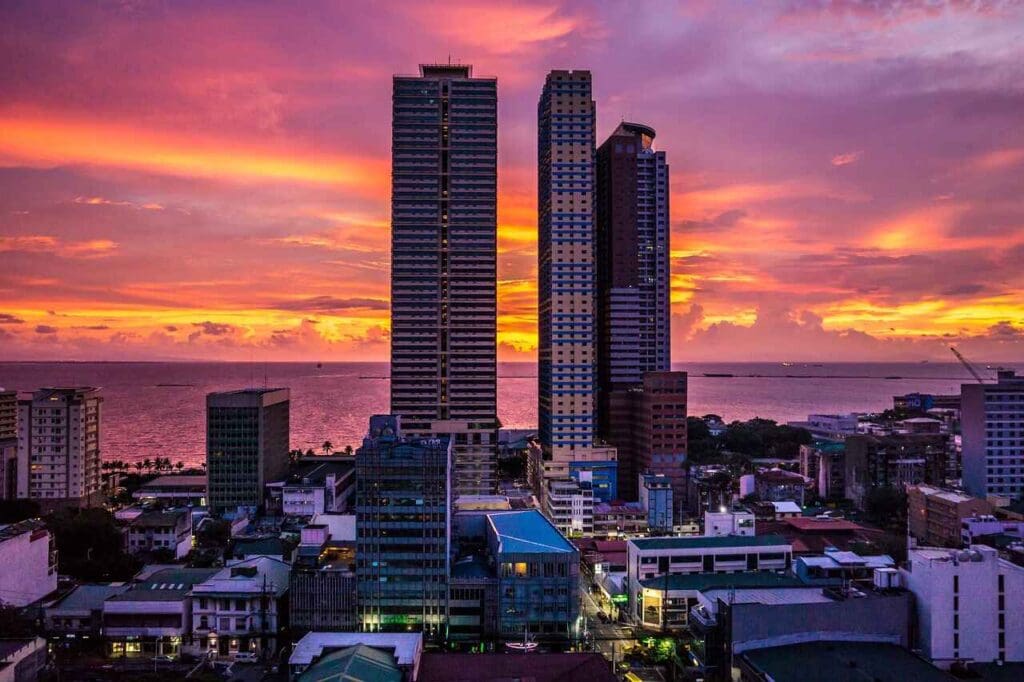
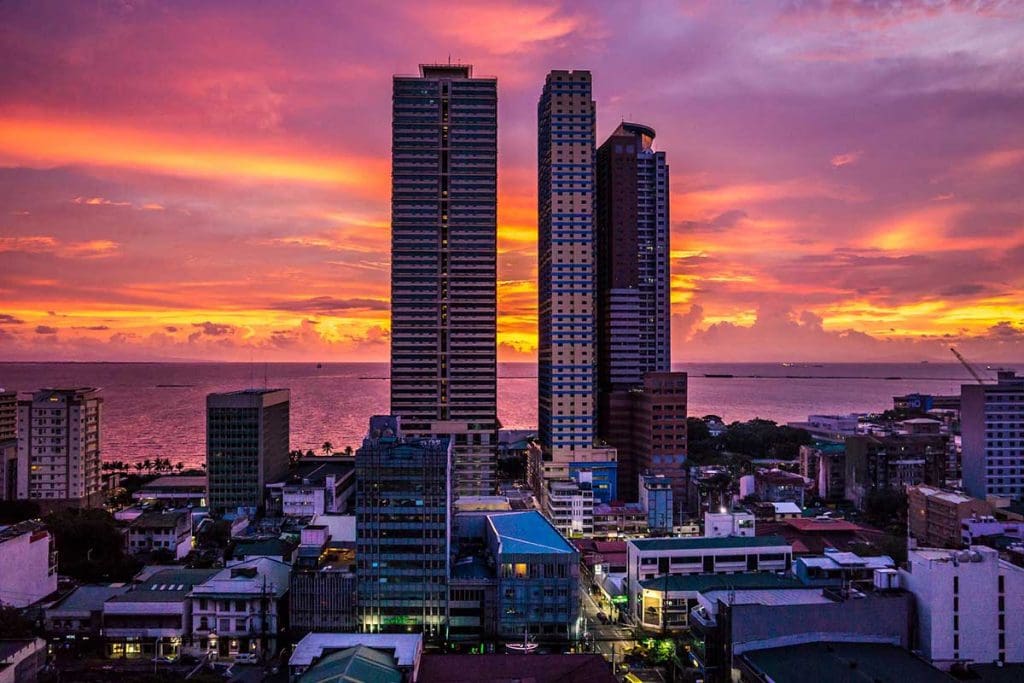
Manila, the capital, offers a mix of old and new, with landmarks like the historic Intramuros, a walled city that houses the San Agustin Church and Fort Santiago. The vibrant festivals, such as Sinulog in Cebu and Ati-Atihan in Kalibo, showcase the colorful and joyous spirit of the Filipino people.
The Lifestyle: Warm and Hospitable
The lifestyle in the Philippines is characterized by a strong sense of community, warmth, and hospitality. Filipinos are known for their friendly nature, always ready to welcome visitors with a smile. In cities, the bustling markets, street food stalls, and lively music scenes reflect the country’s dynamic energy. Areas like Bonifacio Global City (BGC) and Makati are modern hubs with world-class shopping, dining, and entertainment options.
In contrast, rural life in the Philippines follows a slower, more traditional pace. Coastal towns and fishing villages, such as those in Siargao or Bohol, showcase a simpler way of life, centered around fishing, farming, and communal gatherings.
Natural Beauty: Pristine Beaches and Majestic Landscapes
The natural beauty of the Philippines is legendary, with world-renowned destinations like Palawan, home to the Puerto Princesa Subterranean River and the stunning El Nido with its limestone cliffs and turquoise waters. The Chocolate Hills of Bohol are a unique geological formation that draws visitors with their surreal, rolling appearance.
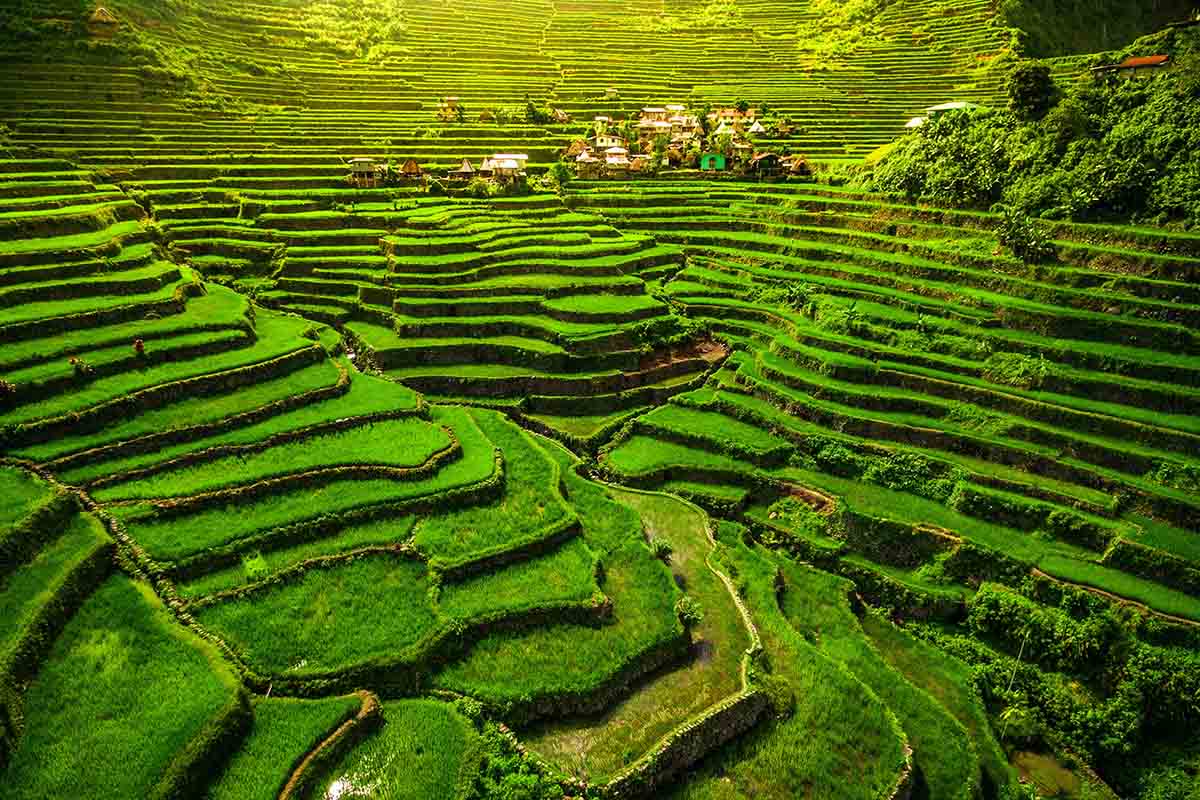
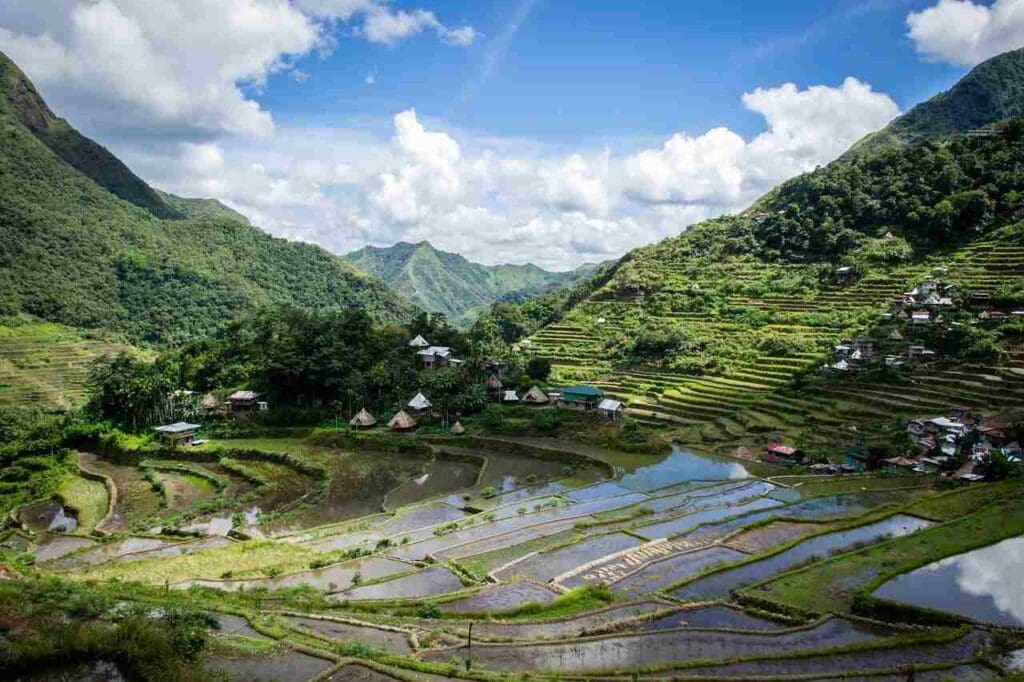
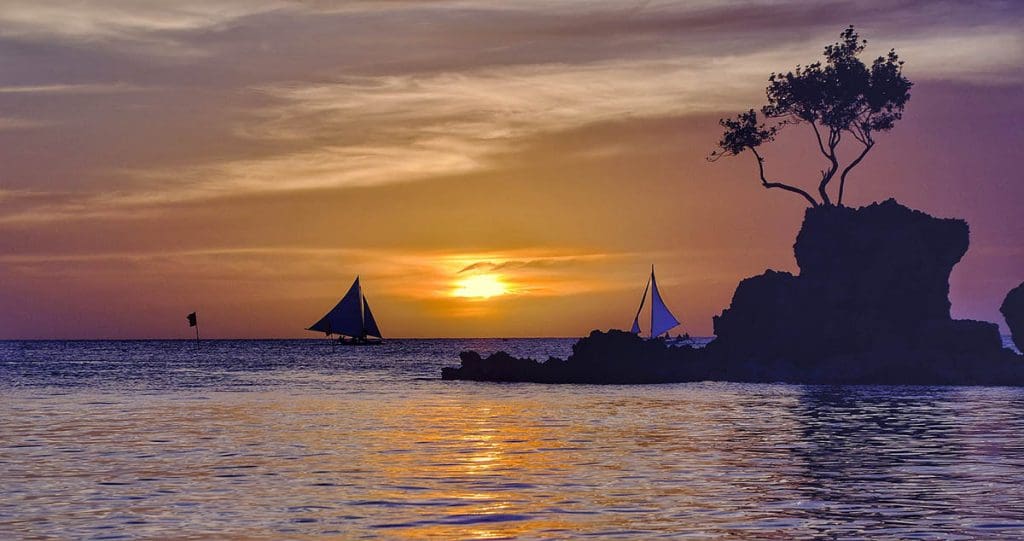
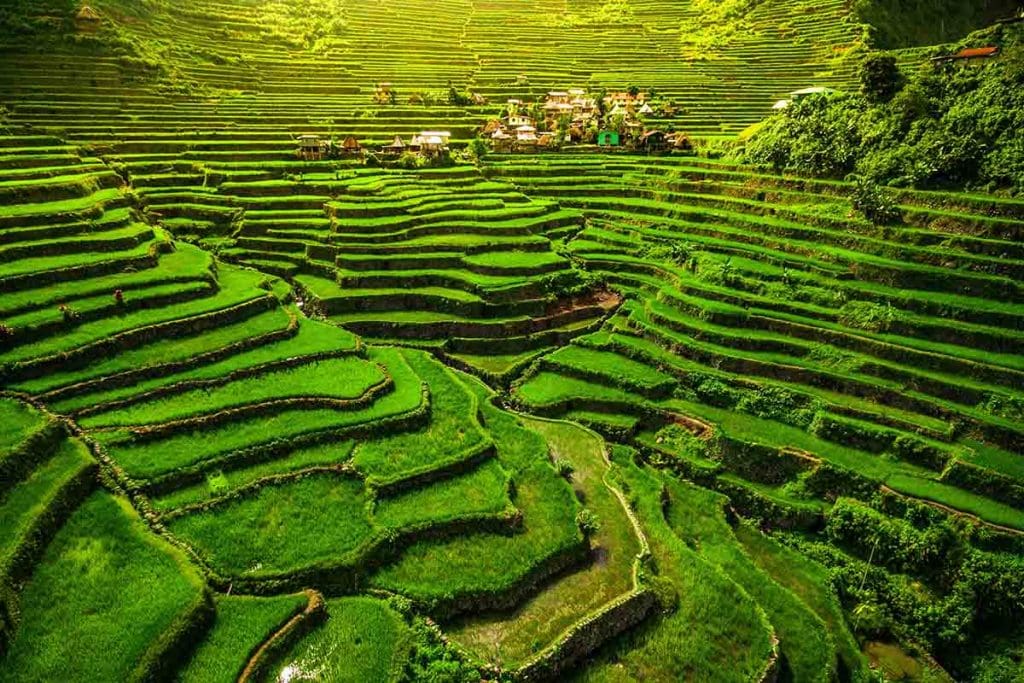
For beach lovers, the powdery white sands of Boracay are perfect for sunbathing and water sports, while the vibrant underwater world of Apo Reef offers some of the best snorkeling and diving experiences in the world. The mountains and rice terraces of Banaue, another UNESCO World Heritage Site, showcase the ingenuity and culture of the Ifugao people, who have cultivated the land for centuries.
Wildlife and Conservation
The Philippines is home to diverse wildlife, both on land and in the sea. The Tarsier Sanctuary in Bohol is dedicated to protecting one of the world’s smallest primates, the tarsier, known for its large eyes and nocturnal habits. Marine life thrives in places like Tubbataha Reefs Natural Park, a UNESCO World Heritage Site and a paradise for divers, featuring a vast array of fish, corals, and sea turtles.
Conservation efforts are evident in many eco-tourism spots, such as the Philippine Eagle Center in Davao, which focuses on protecting the critically endangered Philippine eagle, the national bird and one of the largest eagles in the world.
Experience Filipino Cuisine: A Feast of Flavors
Filipino cuisine is a flavorful blend of sweet, savory, and tangy dishes. Staples include adobo, a marinated meat dish cooked in soy sauce and vinegar, and lechon, a whole roasted pig that is a centerpiece at celebrations. Sinigang, a sour tamarind soup, and kare-kare, a peanut-based oxtail stew, are other beloved dishes that showcase the depth of Filipino cooking.
Street food is an integral part of the dining experience in the Philippines, with must-try items like balut (a fertilized duck egg), isaw (grilled chicken intestines), and halo-halo, a popular dessert made with shaved ice, sweetened fruits, and milk. Joining a cooking class or visiting local markets allows travelers to immerse themselves in the rich culinary culture of the Philippines.
An immersive travel experience in the Philippines blends culture, nature, and lifestyle to create a journey full of adventure and warmth. Whether island hopping in Palawan, exploring historic Vigan, or tasting local delicacies in Manila, the Philippines offers memories that will stay with you forever.
Let the Philippines invite you into a world of tropical beauty, cultural depth, and unforgettable experiences.
Featured Places in Philippines
Discover some of our most sought-after places, from timeless icons to hidden gems.
Essential Philippines Travel Guide
Everything you need to know to plan your perfect Philippines adventure.


Philippines Travel Information
Essential information for your Philippines holiday. Content is tailored to your selected market.
Best time to visit
The Philippines is a year-round destination, but the best time to visit is from December to February when the weather is cooler, drier, and ideal for island hopping and beach holidays.
Flight time
Flights from the US to Manila take around 16–17 hours including layovers, with one-stop connections via Istanbul, Doha, Dubai, or Hong Kong. Direct flights may be available from select US cities such as Los Angeles or San Francisco.
Recommended airlines
Turkish Airlines, Qatar Airways, Emirates, and Cathay Pacific offer one-stop flights. Our packages include one-stop flights, with preferred airline options available at an extra cost.
Visa & entry requirements
US citizens do not require a tourist visa to enter the Philippines for stays of up to 30 days. Entry requirements may change, so travellers should check with the Philippine Embassy or official sources before departure. It is your responsibility to check and meet entry requirements before travel.
Time difference
UTC +8 hours (The Philippines is 12–16 hours ahead of US time zones depending on location and daylight saving time)
Search our FAQs
What can we help you with today?
Philippines Travel FAQs
Everything you need to know about planning and taking your journey.
Good to know before you go Philippines
Before You Go to the Philippines: Essential Travel Tips Planning a trip to the Philippines? This tropical paradise offers stunning beaches, vibrant cities, and rich cultural experiences, but preparing well can make your journey smoother. Here are the key things to know before you go. Check Visa Requirements Most nationalities, including travelers from the U.S., UK, Canada, and EU countries, can enter the Philippines visa-free…
Before You Go to the Philippines: Essential Travel Tips
Planning a trip to the Philippines? This tropical paradise offers stunning beaches, vibrant cities, and rich cultural experiences, but preparing well can make your journey smoother. Here are the key things to know before you go.
Check Visa Requirements
Most nationalities, including travelers from the U.S., UK, Canada, and EU countries, can enter the Philippines visa-free for up to 30 days. If you plan to stay longer, you can apply for a visa extension at immigration offices across the country. Always check the latest visa regulations before you travel.
Health and Vaccinations
It’s recommended to be up to date on routine vaccinations, such as hepatitis A and typhoid, especially if you plan to visit rural areas or eat street food. If you’re traveling to areas with dense jungles or rural regions, you may want to consider malaria medication. Always consult with your healthcare provider about necessary vaccinations before your trip.
Best Time to Visit
The Philippines experiences two main seasons: the dry season (December to May) and the rainy season (June to November). For ideal weather, visit between December and February, when temperatures are cooler and perfect for beach activities, island hopping, and outdoor exploration. If you prefer fewer crowds and don’t mind occasional rain, the rainy season can offer quieter and more budget-friendly travel.
Travel Insurance
It’s highly recommended to get travel insurance that covers medical expenses, trip cancellations, and lost luggage. Medical facilities in major cities are generally good, but more remote islands may have limited services. Having comprehensive insurance ensures peace of mind, especially if you plan on participating in activities like diving or hiking.
Currency and Payments
The currency used in the Philippines is the Philippine Peso (PHP). Credit and debit cards are widely accepted in larger cities and tourist areas, but cash is still necessary for small shops, markets, and more rural regions. ATMs are available in most towns, and currency exchange services can be found in airports and shopping centers. It’s a good idea to carry some pesos when traveling between islands or visiting remote areas.
Language and Communication
English is widely spoken throughout the Philippines, making it easy for most travelers to communicate. However, learning a few basic phrases in Filipino (Tagalog) is always appreciated by locals. Consider downloading a translation app if you’re heading to rural areas where English may be less common.
Getting Around the Philippines
The Philippines is made up of more than 7,000 islands, and travel between islands often requires domestic flights, ferries, or boats. Domestic flights are the fastest way to travel between major islands like Palawan, Cebu, and Bohol. For shorter distances, ferries and bangkas (traditional boats) are commonly used. In cities, jeepneys, tricycles, and ride-hailing apps like Grab are popular transportation options.
Internet and SIM Cards
While Wi-Fi is available in most hotels, restaurants, and cafes in urban areas, connectivity can be slower or limited on some islands. To stay connected, consider buying a local SIM card from providers like Globe or Smart. SIM cards are easy to purchase at airports and convenience stores, and they offer affordable data plans for your entire stay.
Pack for the Tropics
The Philippines has a tropical climate, so pack lightweight, breathable clothing. Don’t forget sunscreen, a hat, and sunglasses to protect yourself from the strong sun. If you plan on exploring the mountains or rice terraces, pack sturdy hiking shoes and a light jacket for cooler evenings. A waterproof bag can also be useful for island hopping and water-based activities.
With these essential tips, you’ll be well-prepared to explore the beautiful islands of the Philippines. From its stunning beaches and crystal-clear waters to its vibrant culture, this archipelago offers unforgettable experiences for every traveler.
Ready to experience Philippines?
Explore our carefully planned Philippines holidays or speak to us about creating a journey tailored around you.
Need some help? Call 1-888-214-4856
Start Planning Your Philippines Journey
Our travel specialists have explored every corner of Philippines. Speak with us today to customize your perfect adventure.

