


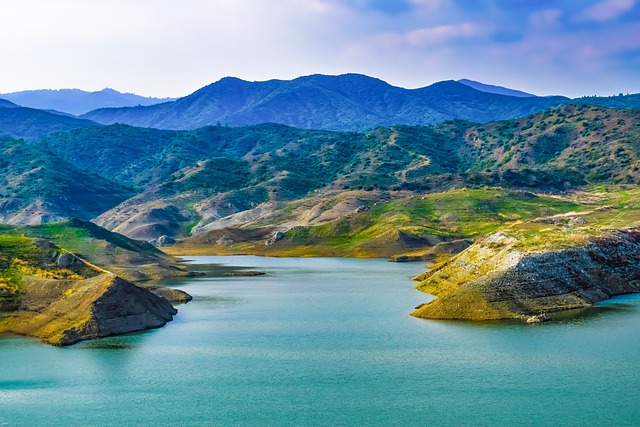
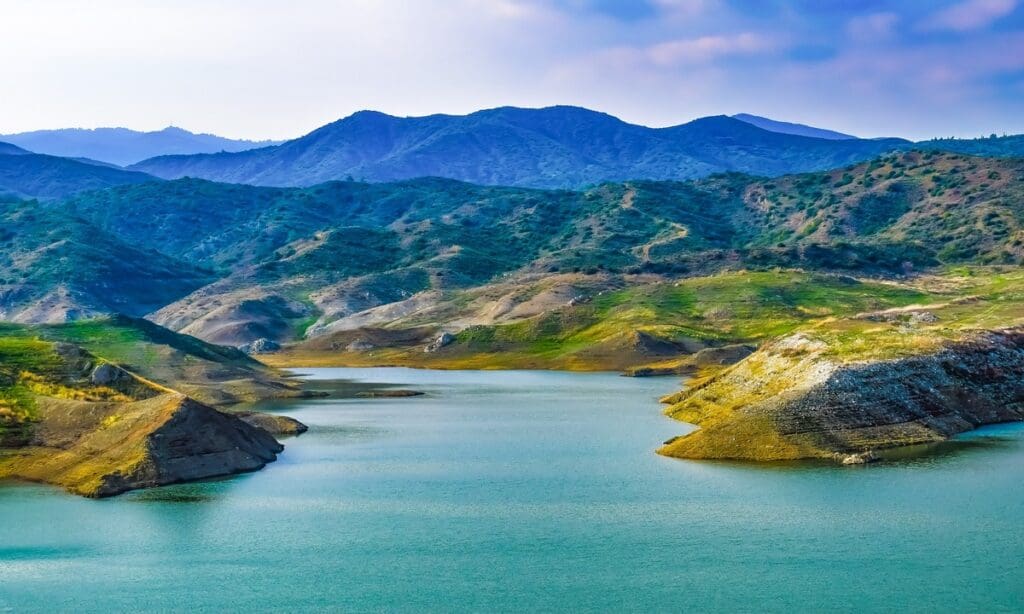
Join our Best of Cyprus tour and discover an island rich in history and culture, glorious cuisine, glittering coasts, waterfalls, and sandy beaches. This...

Discover Cyprus
Join our Cyprus holidays and discover an island rich in history and culture, glorious cuisine, glittering coasts, waterfalls, and sandy beaches. Cyprus holidays offer a myriad of experiences...
Reasons to Visit Cyprus
Trekking
World-class trails through extraordinary Himalayan landscapes.
Nature & Wildlife
From Himalayan peaks to Chitwan's subtropical wilderness.
Culture
Living traditions, colourful festivals and rich cultural heritage.
Temples & Architecture
Ancient temples, stupas, monasteries and historic Durbar Squares.
People
Warm hospitality and authentic encounters with local communities.
Explore Cyprus
See where your journey could take you
Explore Cyprus: A Land of Rich Culture, Stunning Coastlines, and Timeless Charm Cyprus, an island nation in the eastern Mediterranean, is renowned for its deep culture, beautiful nature, and welcoming lifestyle. With a history spanning thousands of years, influenced by ancient Greeks, Romans, Byzantines, and Ottomans, Cyprus offers an immersive travel experience that seamlessly blends historical exploration, natural beauty, and warm hospitality. From the golden…
Explore Cyprus: A Land of Rich Culture, Stunning Coastlines, and Timeless Charm
Cyprus, an island nation in the eastern Mediterranean, is renowned for its deep culture, beautiful nature, and welcoming lifestyle. With a history spanning thousands of years, influenced by ancient Greeks, Romans, Byzantines, and Ottomans, Cyprus offers an immersive travel experience that seamlessly blends historical exploration, natural beauty, and warm hospitality. From the golden beaches of Ayia Napa to the historic streets of Nicosia, Cyprus invites you to discover its unique heritage and scenic landscapes.
Cultural Heritage: A Crossroads of Civilizations
Cyprus’s cultural heritage is a testament to its position at the crossroads of Europe, Asia, and Africa. The ancient city of Kourion is one of the island’s most significant archaeological sites, showcasing well-preserved Greco-Roman ruins, including an impressive amphitheater and intricate mosaics. The city of Paphos, a UNESCO World Heritage Site, is famed for its ancient tombs, villas, and the stunning Mosaics of Paphos depicting scenes from Greek mythology.
The capital city, Nicosia, offers a unique blend of history and modernity. The Cyprus Museum in Nicosia houses artifacts that tell the story of the island’s rich past, while the old town’s labyrinthine streets, lined with shops and cafes, reflect its vibrant present.
The Lifestyle: Relaxed and Hospitable
The lifestyle in Cyprus is laid-back and community-oriented, characterized by a strong sense of tradition and hospitality. Locals take pride in welcoming visitors with open arms, often inviting them to share a meal or a drink. The island’s vibrant culture is best experienced at local festivals such as Kataklysmos (Festival of the Flood), where traditional music, dancing, and water-based activities fill the streets.
Beach towns like Limassol and Larnaca embody the relaxed island lifestyle, where life moves at a leisurely pace. Cafes and tavernas line the waterfronts, offering the perfect spot to enjoy a meal with a view or simply watch the world go by.
Natural Beauty: Beaches, Mountains, and Forests
Cyprus’s natural beauty is diverse, featuring golden beaches, rugged mountains, and lush forests. The Troodos Mountains, the island’s largest mountain range, are perfect for hiking and exploring picturesque villages like Omodos and Platres. These mountains are also home to the Troodos Painted Churches, a series of Byzantine churches with stunning frescoes that are UNESCO-listed.
The crystal-clear waters of the Mediterranean offer idyllic beach experiences. Ayia Napa and Protaras boast some of the best beaches in Europe, with soft sands and turquoise waters perfect for swimming, snorkeling, and sunbathing. Nature enthusiasts will enjoy exploring the Akamas Peninsula, a protected area known for its diverse flora and fauna and scenic coastal trails.
Wildlife and Conservation
Cyprus is home to unique wildlife and conservation efforts aimed at preserving its natural habitats. The island’s beaches, such as Lara Beach, are important nesting sites for endangered sea turtles, including the loggerhead and green turtles. Conservation programs allow visitors to learn about and witness the hatching of turtle eggs, contributing to eco-tourism efforts that support these protected species.
Birdwatchers will find Cyprus a paradise, as it is a vital stopover for migratory birds traveling between Europe and Africa. The Salt Lake of Larnaca is known for its pink flamingos during the winter months, offering a spectacular sight for nature lovers.
Experience Cypriot Cuisine: A Mediterranean Feast
Cypriot cuisine is a delicious fusion of Greek, Middle Eastern, and Mediterranean flavors, featuring fresh and hearty ingredients. One of the most beloved dishes is halloumi, a semi-hard cheese that is grilled or fried and served as an appetizer or accompaniment. Souvlaki, skewered and grilled meat, is a popular street food that embodies the island’s love for outdoor dining.
Meze, a selection of small dishes, offers an array of flavors, including dips like tzatziki and hummus, grilled vegetables, seafood, and traditional sausages. For dessert, baklava and loukoumades (honey-soaked doughnuts) provide a sweet finish to any meal.
Cyprus is also known for its wines, with a history of winemaking dating back thousands of years. Commandaria, one of the oldest named wines in the world, is a sweet, amber-colored dessert wine that pairs beautifully with the island’s traditional sweets.
An immersive travel experience in Cyprus combines culture, nature, and lifestyle for a journey that blends relaxation and exploration. Whether wandering through ancient ruins, relaxing on sun-drenched beaches, or dining in charming mountain villages, Cyprus invites travelers to experience its rich traditions and stunning landscapes.
Let Cyprus’s sun-soaked coastlines, historic sites, and warm hospitality create memories that last a lifetime.
Featured Places in Cyprus
Discover some of our most sought-after places, from timeless icons to hidden gems.


Suggested Itineraries in Cyprus
Carefully crafted itineraries for an unforgettable journey.
Best of Cyprus: Culture, Beaches, History & Landscapes
Cyprus
- Cultural Holidays
- Small Group
Essential Cyprus Travel Guide
Everything you need to know to plan your perfect Cyprus adventure.
Cyprus Travel Information
Essential information for your Cyprus holiday. Content is tailored to your selected market.
Visa & entry requirements
Check current entry requirements with the relevant embassy before travel.
Time difference
Ask our specialists about the local time difference.
Good to know before you go to Cyprus
Before you go to Cyprus, it’s important to be well-prepared so you can make the most of your time on this beautiful Mediterranean island. From understanding the local culture and weather to ensuring you have the right travel documents, here are key things you need to know before your trip to Cyprus. 1. Check Visa Requirements Cyprus is part of the European Union, so if…
Before you go to Cyprus, it’s important to be well-prepared so you can make the most of your time on this beautiful Mediterranean island. From understanding the local culture and weather to ensuring you have the right travel documents, here are key things you need to know before your trip to Cyprus.
1. Check Visa Requirements
Cyprus is part of the European Union, so if you’re a citizen of an EU member state, you can enter Cyprus with just a valid passport or national identity card. Many other countries, including the USA, Canada, Australia, and New Zealand, enjoy visa-free travel to Cyprus for stays of up to 90 days. If you’re from a country that requires a visa, you’ll need to apply before your trip. Always check the latest visa requirements based on your nationality and ensure your passport is valid for at least six months beyond your planned departure date.
2. Travel Insurance is Highly Recommended
Although travel insurance isn’t mandatory for Cyprus, it is strongly recommended. Medical care in Cyprus is of a high standard, but if you’re a non-EU visitor, medical expenses can add up quickly. A comprehensive travel insurance policy can cover emergency medical care, as well as issues such as trip cancellations, lost luggage, or unexpected incidents during your trip. Make sure your insurance also covers any activities you plan to do, such as hiking, diving, or other adventure sports.
3. Currency and Payments
Cyprus uses the Euro (€) as its official currency. ATMs are widely available in cities, towns, and major tourist areas, and credit and debit cards are accepted in most hotels, restaurants, and shops. It’s a good idea to carry some cash with you, especially when visiting rural areas or small villages where card payments may not be as common. You can exchange money at airports, banks, or exchange offices, but withdrawing cash directly from an ATM generally gives you the best exchange rate.
4. Best Time to Visit
Cyprus enjoys a Mediterranean climate, with hot, dry summers and mild winters. The best time to visit depends on your preferences. For beach vacations, the warm months from June to September are ideal, when the sea is at its warmest and the island is buzzing with summer activities. However, if you prefer cooler weather and fewer crowds, spring (March to May) and autumn (September to November) offer pleasant temperatures for sightseeing, hiking, and exploring cultural sites. Winter is quieter, but still offers sunny days perfect for city exploration or mountain escapes in the Troodos Mountains.
5. Language and Communication
The official languages of Cyprus are Greek (spoken in the south) and Turkish (spoken in the north). However, English is widely spoken, particularly in tourist areas, hotels, restaurants, and shops, so communication is easy for most travelers. Road signs, menus, and tourist information are often displayed in both Greek and English. However, learning a few basic Greek phrases, such as “Kalimera” (Good morning) and “Efharisto” (Thank you), can be appreciated by locals.
6. Pack Appropriately
Packing for Cyprus depends on the time of year and the activities you plan to do. In the summer, light, breathable clothing is essential, as temperatures can soar above 30°C (86°F). Don’t forget your swimwear, sunscreen, sunglasses, and a hat to protect yourself from the strong sun. Comfortable walking shoes are recommended for exploring archaeological sites or hiking in the mountains. If you’re visiting in spring or autumn, pack layers, as temperatures can be cooler in the mornings and evenings. In winter, particularly in the mountains, pack warm clothing, including a jacket, as temperatures can drop and there may even be snow in the Troodos region.
7. Transportation in Cyprus
Renting a car is one of the best ways to explore Cyprus, especially if you want to visit more remote areas, beaches, or mountain villages. Cyprus drives on the left side of the road, and the road network is well-maintained, making it easy to navigate. Public buses connect major cities and tourist areas, but services may be limited in rural areas. Taxis are widely available in cities and tourist destinations. For traveling between the northern and southern parts of Cyprus, there are designated crossing points, but it’s important to check the current rules regarding car rentals and border crossing.
8. Local Etiquette and Customs
Cypriots are known for their hospitality and friendliness, so you’ll often be warmly welcomed wherever you go. When visiting churches or monasteries, it’s important to dress modestly, with shoulders and knees covered. Tipping is appreciated but not mandatory in Cyprus. In restaurants, rounding up the bill or leaving a small tip (5–10%) for good service is common practice. It’s also polite to greet people with a handshake or a friendly “hello” (Yassas in Greek).
9. Tap Water and Hydration
Tap water is generally safe to drink in Cyprus, especially in cities and larger towns. However, in rural areas or on some islands, bottled water is preferred due to differences in water quality. Bottled water is inexpensive and widely available in supermarkets, kiosks, and restaurants. It’s also a good idea to carry water with you, especially if you’re visiting in the summer or planning to hike in the mountains or other outdoor activities.
10. Electrical Outlets
Cyprus uses the same electrical plug type as the UK, with type G plugs (three rectangular pins) and a voltage of 240V. If you’re traveling from countries that use different plug types, you’ll need a power adapter to charge your electronic devices. Universal adapters are recommended and can be found in most travel stores or at airports.
By following these tips and preparing in advance, you’ll be ready to enjoy all that Cyprus has to offer, from its sun-drenched beaches and ancient ruins to its vibrant culture and delicious cuisine. Whether you’re visiting for a relaxing vacation or an adventurous exploration of the island’s natural beauty, Cyprus promises an unforgettable experience.
Ready to experience Cyprus?
Explore our carefully planned Cyprus holidays or speak to us about creating a journey tailored around you.
Need some help? Call 1-888-214-4856
Start Planning Your Cyprus Journey
Our travel specialists have explored every corner of Cyprus. Speak with us today to customize your perfect adventure.

