
1-888-214-4856
Mon-Fri 10:00AM - 05:00PM
Join Lumle More
More from every journey
Complete the form below and our travel specialists will be in touch shortly with availability, prices and any questions you may have.

Planning a trip to Mexico? Whether you’re exploring ancient ruins, relaxing on tropical beaches, or visiting vibrant cities, it’s essential to be well-prepared. Here are the most frequently asked questions about traveling to Mexico, covering everything from visas to transportation and safety.
Most travelers do not need a visa to visit Mexico for tourism. Citizens of the US, Canada, the EU, the UK, and many other countries can enter Mexico visa-free for up to 180 days. Ensure your passport is valid for at least six months beyond your arrival. For those traveling for business or planning a longer stay, check with the Mexican consulate for specific visa requirements.
The official currency of Mexico is the Mexican Peso (MXN). Credit and debit cards are widely accepted in most cities and tourist areas, but it’s advisable to carry some cash, especially for smaller businesses and in more rural areas. ATMs are available throughout the country, and many will dispense pesos. Avoid exchanging large amounts of cash at airports or tourist areas due to unfavorable exchange rates.
The best time to visit Mexico depends on your destination and the type of experience you’re seeking. The dry season, from November to April, is ideal for beach vacations in places like Cancún, Los Cabos, and the Riviera Maya. This is also a great time to explore cities like Mexico City and Oaxaca. The rainy season, from May to October, is perfect for those looking to avoid crowds and experience lush landscapes, especially in regions like the Yucatán Peninsula.
The official language of Mexico is Spanish. English is widely spoken in major tourist areas, hotels, and resorts, especially in places like Cancún, Cabo San Lucas, and Playa del Carmen. However, learning a few basic Spanish phrases can enhance your travel experience, particularly in rural areas or when interacting with locals in markets and restaurants.
Mexico is generally safe for tourists, but like any travel destination, it’s important to take precautions. Stick to well-known tourist areas, especially in cities like Cancún, Mexico City, and Playa del Carmen. Be aware of your surroundings, avoid displaying valuables, and use reputable taxis or ride-hailing apps like Uber. If you’re planning on visiting rural or off-the-beaten-path areas, it’s advisable to research safety information and stay informed about local conditions.
It is generally not recommended to drink tap water in Mexico. Bottled water is widely available and should be used for drinking, brushing teeth, and washing food. Many hotels and restaurants will also offer filtered water. Be cautious with ice and opt for drinks made with bottled water when in doubt.
Packing for Mexico depends on the regions you’ll be visiting. For beach destinations like Cancún and Puerto Vallarta, pack lightweight clothing, swimwear, sunscreen, and sandals. In cities like Mexico City and Oaxaca, bring comfortable walking shoes, layers for cooler evenings, and a sun hat. If you’re planning on exploring ruins or hiking, make sure to pack sturdy shoes, insect repellent, and a reusable water bottle. Don’t forget sunblock and a good pair of sunglasses for protection from Mexico’s strong sun.
Mexico offers a variety of transportation options. Domestic flights are a quick and convenient way to travel between major cities. Buses are affordable and reliable, connecting cities, towns, and even smaller villages. In urban areas like Mexico City, you can use the metro, buses, or taxis, though ride-hailing apps like Uber are popular and generally safer. Renting a car is also an option for those wanting to explore at their own pace, particularly in areas like the Yucatán Peninsula or Baja California.
There are no required vaccinations to enter Mexico, but it’s recommended to be up to date on routine vaccinations such as hepatitis A, typhoid, and tetanus. If you’re planning to visit rural areas or partake in outdoor activities, consult with your doctor about necessary vaccinations or medications. Mosquito repellent is also essential, particularly if you’re visiting coastal or jungle areas.
While travel insurance is not required, it’s highly recommended when visiting Mexico. Travel insurance can cover unexpected events such as medical emergencies, flight cancellations, or lost luggage. If you’re planning on engaging in adventure activities like snorkeling, diving, or hiking, make sure your policy includes coverage for these activities. Healthcare in Mexico is generally good, especially in major cities, but medical costs can be expensive without insurance.
These Mexico travel FAQs provide essential information to help you plan your trip and ensure a smooth and enjoyable experience. Whether you’re exploring vibrant cities, relaxing on tropical beaches, or discovering ancient ruins, being prepared will enhance your Mexican adventure.
What can we help you with today?
Got questions about traveling here? We've got answers.

Written by our travel specialists, our brochures highlight the incredible places you can explore and help simplify the choices when planning your trip. Whether you’re ready to enquire or just gathering ideas, we’re here to support you.

We're here to help.
Speak directly to our Mexico travel specialists for tailored itineraries, advice, and booking enquiries.
Extra Ordinary Journeys. Exceptional prices
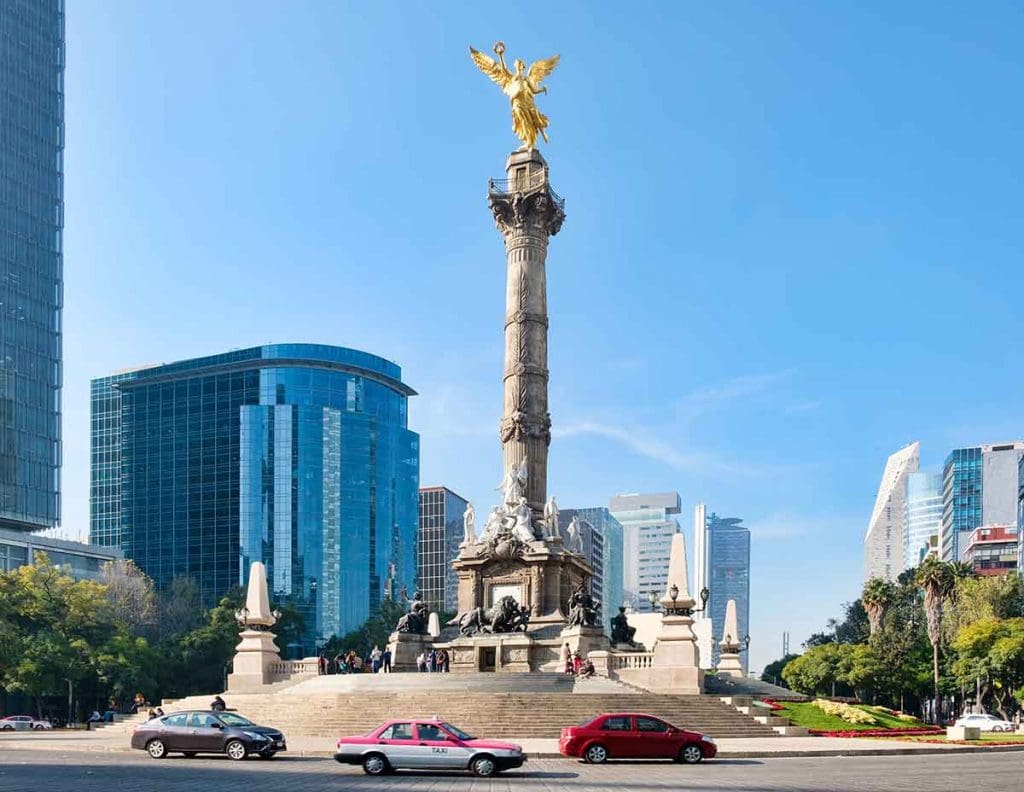
Mexico

Enter your email to get the Nepal Highlights: Heritage, Himalayas, Wildlife & Timeless Traditions PDF right into your inbox.

Access to our private collection and exclusive £200 savings is reserved for Lumle Travel Club members. Enter your member password below to proceed.
Membership to Lumle More is completely free, with no seconds to receive your secret member password, exclusive journey departures, and an instant £200 welcome voucher.
Membership is subject to the Lumle More Terms & Conditions.


