
1-888-214-4856
Mon-Fri 10:00AM - 05:00PM
Join Lumle More
More from every journey
Complete the form below and our travel specialists will be in touch shortly with availability, prices and any questions you may have.

Planning a trip to Turkey raises several questions about the country’s culture, logistics, and travel requirements. Here are some frequently asked questions about Turkey travel to help you prepare for your journey and make the most of your visit.
Depending on your nationality, you may need a visa to enter Turkey. Many countries are eligible for an e-Visa, which can be easily applied for online before your trip. Check with the Turkish government’s official visa website to see if you qualify for the e-Visa or if you need to apply for a visa in advance.
The best time to visit Turkey depends on the type of experience you’re looking for. Spring (April to June) and autumn (September to November) are considered the best seasons for sightseeing and exploring the country’s historical sites. For beach vacations, the summer months (June to August) are ideal, especially along the Mediterranean and Aegean coasts. Winter offers opportunities for skiing in regions like Uludağ and the eastern mountains.
Yes, Turkey is generally safe for tourists, and millions of travelers visit the country each year. However, as with any international travel, it’s important to stay aware of your surroundings, avoid isolated areas at night, and follow any travel advisories from your government. Tourist areas such as Istanbul, Cappadocia, and the Mediterranean coast are typically very safe, but it’s always wise to take standard safety precautions.
The official currency in Turkey is the Turkish Lira (TRY). Major tourist destinations accept credit cards widely, and ATMs are available throughout the country. However, it’s recommended to carry some cash for smaller purchases, local markets, or rural areas where card payments may not be accepted.
The official language of Turkey is Turkish. In major tourist areas, English is widely understood, especially in hotels, restaurants, and tourist attractions. Learning a few basic Turkish phrases, such as “Merhaba” (hello) and “Teşekkür ederim” (thank you), can be helpful and appreciated by locals.
Turkey is a modern country with a mix of traditional and contemporary cultures. In cities like Istanbul and along the coast, casual Western clothing is common. However, when visiting religious sites such as mosques, it’s important to dress modestly. Women should cover their shoulders and wear long skirts or trousers, and men should avoid shorts in these settings. Carrying a scarf for mosque visits is also recommended.
While tap water is safe for hygiene purposes, most locals and tourists prefer to drink bottled water. Bottled water is widely available throughout the country, and it’s a good idea to keep some on hand, especially in the summer months when staying hydrated is important.
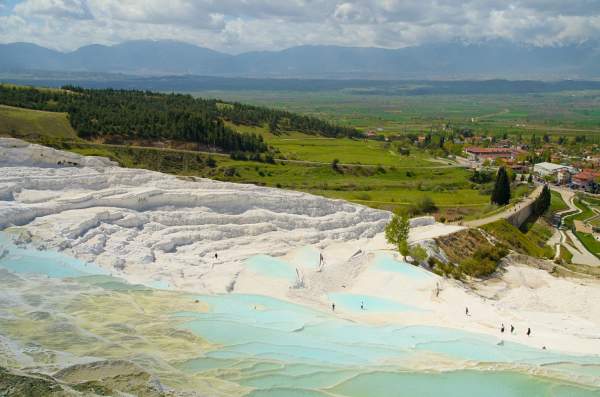
Turkey is full of incredible destinations. Some of the top places to visit in Turkey include Istanbul, with its rich history and iconic landmarks like the Hagia Sophia and Blue Mosque; Cappadocia, known for its surreal landscapes and hot air balloon rides; Ephesus, one of the world’s best-preserved ancient cities; and Pamukkale, famous for its white terraces and thermal pools. For beach lovers, Antalya and the Turquoise Coast are must-see spots.
While travel insurance is not mandatory, it is highly recommended. Travel insurance for Turkey can cover unexpected medical expenses, trip cancellations, lost luggage, and other travel-related issues. Make sure to choose a plan that provides comprehensive coverage during your time in Turkey.
Turkish cuisine is diverse, rich, and flavorful. You can enjoy traditional dishes such as kebabs, mezes, and baklava. Street food like simit (a sesame-covered bread) and döner kebabs are popular options for a quick bite. Don’t miss the chance to try Turkish coffee and tea, both staples of Turkish culture. Vegetarian and vegan options are also available in many restaurants, especially in larger cities.
With this comprehensive guide to Turkey travel FAQs, you’ll be better prepared for an enjoyable and safe trip to Turkey. From visa requirements to top destinations and local customs, these FAQs cover essential information to help make your trip to Turkey smooth and memorable.
What can we help you with today?
Got questions about traveling here? We've got answers.

Get inspired with our latest travel brochures featuring our most popular tours and destinations.

We're here to help.
Speak directly to our Turkey travel specialists for tailored itineraries, advice, and booking enquiries.
Extra Ordinary Journeys. Exceptional prices
Turkey

Enter your email to get the Nepal Highlights: Heritage, Himalayas, Wildlife & Timeless Traditions PDF right into your inbox.

Access to our private collection and exclusive £200 savings is reserved for Lumle Travel Club members. Enter your member password below to proceed.
Membership to Lumle More is completely free, with no seconds to receive your secret member password, exclusive journey departures, and an instant £200 welcome voucher.
Membership is subject to the Lumle More Terms & Conditions.


