


Good to know before you go to Colombia
Before You Go to Colombia: Essential Travel Tips and Advice
Colombia is a vibrant and diverse country that offers travelers everything from stunning beaches and lush rainforests to bustling cities and rich cultural experiences. Whether you’re visiting the Caribbean coast, exploring the Andean highlands, or venturing into the Amazon, it’s important to be prepared. Here’s what you need to know before you go to Colombia to ensure a smooth and enjoyable trip.
1. Check Visa Requirements and Passport Validity
For most travelers, including those from the United States, Canada, the UK, Australia, and EU countries, Colombia allows visa-free entry for stays up to 90 days. However, make sure your passport is valid for at least six months beyond your planned departure date. Upon arrival, you will receive a tourist stamp, which is valid for 90 days and can be extended once if needed. Always check specific visa requirements based on your nationality before your trip.
2. Plan for Colombia’s Diverse Climate
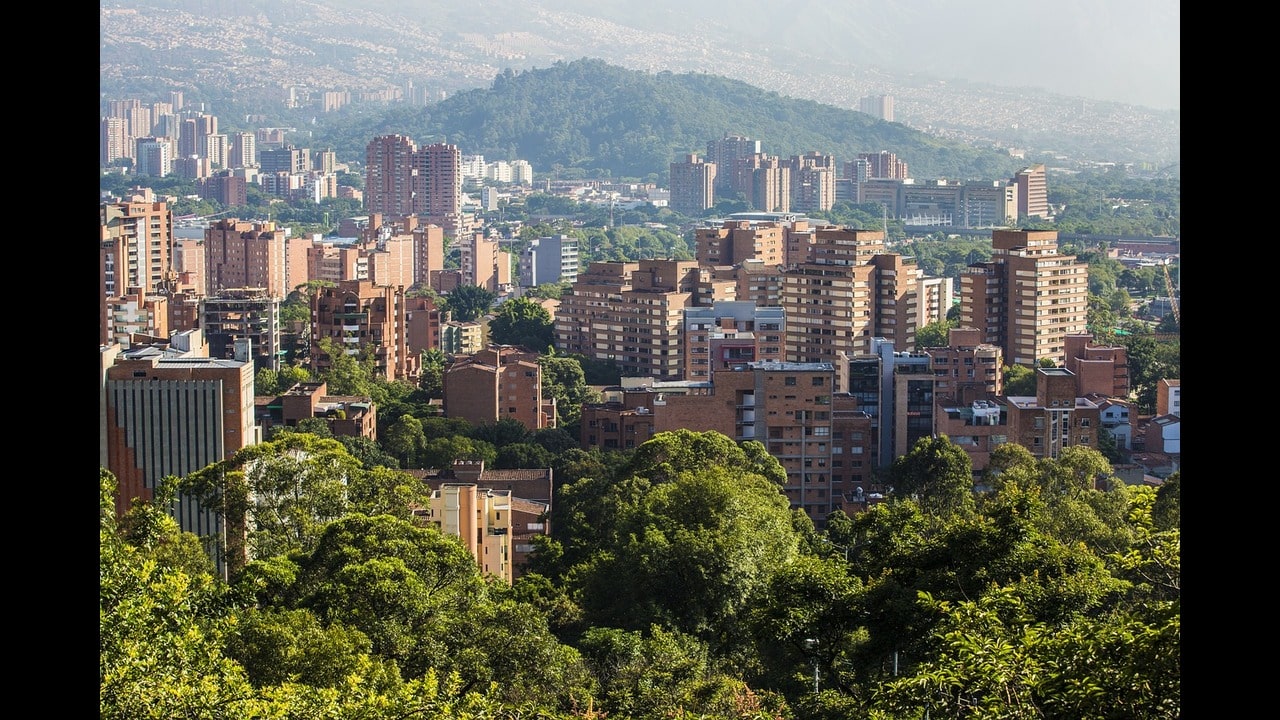
Colombia’s climate varies greatly depending on the region, from tropical weather on the coasts to cooler temperatures in the highlands. The Caribbean coast (including Cartagena and Santa Marta) experiences hot and humid weather year-round, while cities like Bogotá and Medellín, located in the Andes, enjoy spring-like temperatures throughout the year. In the Amazon region, expect hot, humid conditions with frequent rainfall. Be sure to pack accordingly, bringing layers for cooler mountain areas and lightweight clothing for warmer regions.
3. Stay Healthy: Vaccinations and Health Tips
Before traveling to Colombia, it is recommended to get vaccinated for hepatitis A and typhoid. If you are visiting the Amazon or other jungle areas, the yellow fever vaccine is also recommended. Malaria is present in some regions, so consult your doctor about preventative medication if you’re visiting the Amazon or lowland areas along the coasts. Colombia has modern healthcare facilities in major cities, but it’s wise to pack a basic first aid kit, insect repellent, sunscreen, and any prescription medications you need.
4. Currency: Colombian Peso and Money Matters
The official currency of Colombia is the Colombian Peso (COP). Credit and debit cards are widely accepted in most major cities, but it’s important to carry cash, especially when visiting smaller towns or rural areas. ATMs are readily available in urban centers, but be aware of withdrawal fees and notify your bank before your trip to avoid issues with your card. It’s a good idea to carry small denominations, as many smaller shops and street vendors may not have change for large bills. Tipping in Colombia is customary, with a standard 10% tip expected in restaurants if it is not already included in the bill.
5. Learn Basic Spanish Phrases
While English is spoken in tourist areas and by some younger Colombians, particularly in cities like Bogotá, Spanish is the official language of Colombia. Learning a few key phrases can enhance your travel experience and make it easier to communicate in smaller towns or rural areas. Simple phrases like “Hola” (Hello), “Gracias” (Thank you), and “¿Cuánto cuesta?” (How much does it cost?) will go a long way. Downloading a translation app or carrying a small phrasebook can be helpful during your trip.
6. Safety Tips for Traveling in Colombia
Colombia has made great strides in improving safety, and most travelers have a positive and trouble-free experience. However, it’s important to exercise common sense, especially in larger cities. In areas like Bogotá, Medellín, and Cali, be mindful of pickpocketing in crowded places. Avoid displaying valuable items like jewelry, smartphones, or large amounts of cash. Stick to well-lit and populated areas at night and use official taxis or rideshare services like Uber. In rural areas, always follow local advice and stick to recommended tourist routes. Colombia’s tourist police are present in many areas and are there to assist travelers.
7. Transportation in Colombia
Colombia has a wide range of transportation options depending on where you’re traveling. Domestic flights are the quickest way to cover large distances, especially when traveling between major cities like Bogotá, Medellín, and Cartagena. The country also has an extensive and affordable bus network, which is ideal for exploring regions like the Coffee Triangle or coastal areas. In cities, taxis and rideshare apps like Uber are widely available. If you’re renting a car, be aware that driving in Colombia can be challenging, particularly in urban areas due to traffic and local driving habits.
8. Altitude Considerations
Some areas of Colombia, particularly cities like Bogotá and Villa de Leyva, are located at high altitudes. If you’re arriving from sea level, you may experience mild altitude sickness, including headaches, fatigue, or shortness of breath. It’s a good idea to take it easy for the first few days, stay hydrated, and avoid alcohol until you’ve acclimatized. Drinking coca tea, a local remedy, is said to help alleviate symptoms. If you have concerns about altitude, consult your doctor before your trip.
9. Colombian Cuisine to Try
Colombia’s cuisine is as diverse as its landscapes, offering a wide variety of flavors and regional specialties. On the Caribbean coast, you’ll find delicious seafood dishes like ceviche and coconut rice. In Bogotá and the highlands, hearty soups like ajiaco (chicken and potato soup) are popular. The Coffee Region offers rich stews like bandeja paisa, a platter of rice, beans, pork, and avocado. Be sure to try arepas, a type of corn cake that is served with many meals. Colombia is also famous for its tropical fruits, such as guava, lulo, and maracuyá (passion fruit).
10. Packing for Your Trip
What you pack for Colombia will depend on the regions you’re visiting. For the warm and tropical Caribbean coast, bring lightweight, breathable clothing, sunblock, and swimwear. If you’re heading to the highlands or cities like Bogotá, pack layers, as the weather can be cooler, especially in the evenings. For jungle areas like the Amazon, lightweight long-sleeve shirts, insect repellent, and waterproof gear are essential. Comfortable walking shoes are a must if you’re planning to explore cities, hike, or visit national parks.


