


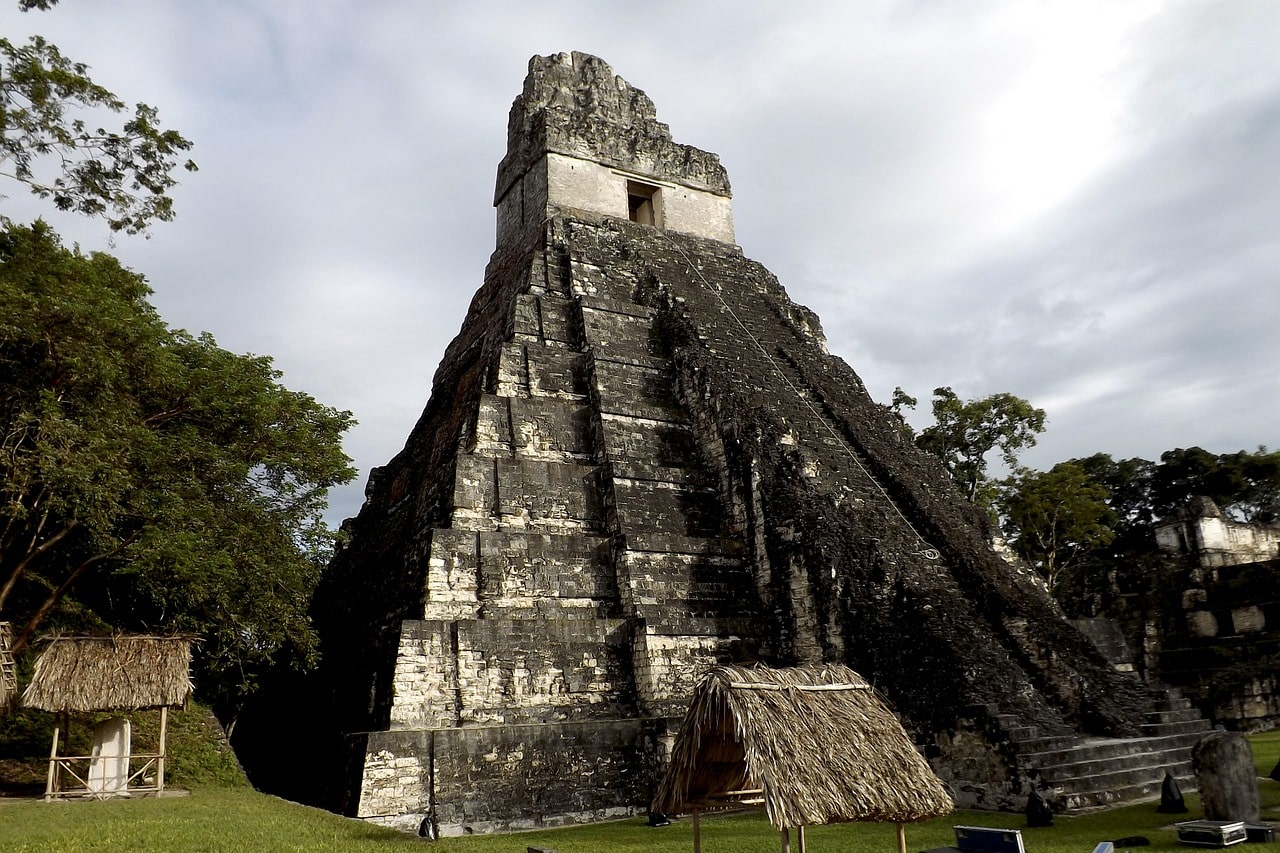
Good to know before you go to Guatemala
Before You Go to Guatemala: Essential Travel Tips and Advice
Guatemala is a diverse country rich in natural beauty, ancient history, and vibrant culture. Whether you’re planning to explore the Mayan ruins of Tikal, hike through the highlands, or immerse yourself in the colorful markets and colonial towns, being well-prepared will help you make the most of your trip. Here’s what you need to know before you go to Guatemala.
1. Check Visa Requirements and Passport Validity
For most travelers, including those from the United States, Canada, the UK, Australia, and the European Union, a visa is not required for stays of up to 90 days. Your passport must be valid for at least six months beyond your intended stay. Upon arrival, you may be asked to show proof of onward travel, such as a return ticket. If you plan to stay longer than 90 days, you can extend your visa at a local immigration office in Guatemala.
2. Plan for Guatemala’s Climate
Guatemala has a tropical climate with two main seasons: the dry season, which runs from November to April, and the wet season, from May to October. The dry season is the best time to visit if you want to explore outdoor attractions like Lake Atitlán, Tikal, and the highlands. The wet season, while bringing daily rain showers (usually in the afternoon), is less crowded and offers lush, green landscapes, making it a good time to visit for those looking to avoid peak tourist season. Be prepared for varying temperatures, especially in the highlands, where evenings can be cool.
3. Stay Healthy: Vaccinations and Health Tips
It is recommended to be up-to-date on routine vaccinations, including hepatitis A and typhoid. If you plan to visit rural or jungle areas, particularly in the Petén region, consider vaccinations for yellow fever and consult your doctor about anti-malarial medication. It’s important to avoid drinking tap water in Guatemala, so always drink bottled water and use it to brush your teeth. Carry insect repellent, especially if you’re visiting jungle areas, and bring any prescription medications you may need.
4. Currency: The Guatemalan Quetzal
The official currency of Guatemala is the Guatemalan Quetzal (GTQ). Credit and debit cards are widely accepted in most cities and tourist areas, but it’s always good to carry some cash, especially in rural areas where card payments may not be an option. ATMs are available in major cities like Antigua, Guatemala City, and Flores. Be cautious when using ATMs, and avoid withdrawing large amounts of cash at once. US dollars are accepted in some hotels and shops, but it’s recommended to have local currency for smaller purchases.
5. Learn Basic Spanish Phrases
While English is spoken in most tourist areas, particularly in larger cities and hotels, Spanish is the official language of Guatemala. Learning a few basic Spanish phrases will greatly enhance your experience, especially in rural areas where English may be less common. Simple phrases like “Hola” (Hello), “Gracias” (Thank you), and “¿Cuánto cuesta?” (How much does it cost?) can go a long way. Carrying a translation app or phrasebook is also helpful, particularly when traveling to more remote regions.
6. Safety Tips for Travelers
Guatemala is generally safe for tourists, but as with any travel destination, it’s important to stay aware of your surroundings. In cities like Guatemala City and Antigua, be mindful of pickpocketing in crowded areas and avoid displaying valuables. Stick to well-lit areas at night and use reliable transportation services, such as taxis or rideshare apps like Uber. When visiting remote areas, particularly in the jungle or mountainous regions, it’s recommended to travel with a guide. Ensure your accommodation is secure, and keep copies of important documents, like your passport, in a separate location.
7. Transportation in Guatemala
Guatemala offers various transportation options, including buses, shuttles, and taxis. Chicken buses (colorfully decorated public buses) are a popular and affordable way to travel between cities, but they can be crowded and slow. Many travelers opt for private tourist shuttles, which offer more comfort and direct routes to destinations like Antigua, Lake Atitlán, and Flores. Taxis and rideshares are available in larger cities, and domestic flights are available between Guatemala City and Flores for those visiting Tikal. If renting a car, be cautious of road conditions and local driving habits, especially in rural areas.
8. Respect Local Culture and Customs
Guatemala has a rich indigenous culture, and it’s important to be respectful of local customs, particularly when visiting indigenous communities. Always ask for permission before taking photos of people, especially in markets or villages. Dress modestly, particularly when visiting religious sites or rural areas. When shopping in local markets, bargaining is common, but be polite and fair when negotiating prices. Learning about the cultural significance of the places you visit, including ancient Mayan sites like Tikal and the traditions of indigenous groups around Lake Atitlán, will enrich your experience and show respect to the local communities.
9. Tipping Etiquette in Guatemala
Tipping is generally expected in Guatemala, especially in restaurants and hotels. A 10% tip is customary in restaurants if a service charge isn’t already included in the bill. In hotels, small tips for housekeeping and porters are appreciated. Tour guides and drivers also appreciate tips for their services, especially if they’ve provided an exceptional experience. Tipping taxi drivers is not obligatory, but rounding up the fare is a common courtesy.
10. What to Pack for Guatemala
When packing for Guatemala, consider the regions you’ll be visiting and the time of year. Lightweight, breathable clothing is ideal for the warm lowland areas, while layering is recommended for cooler highland regions like Lake Atitlán and Quetzaltenango. Comfortable walking shoes are essential, especially if you plan to hike or explore archaeological sites. Don’t forget essentials like sunscreen, insect repellent, a reusable water bottle, and a hat for sun protection. If traveling during the rainy season, pack a rain jacket or umbrella. For visits to rural or eco-tourism areas, biodegradable toiletries are recommended to minimize your environmental impact.


