


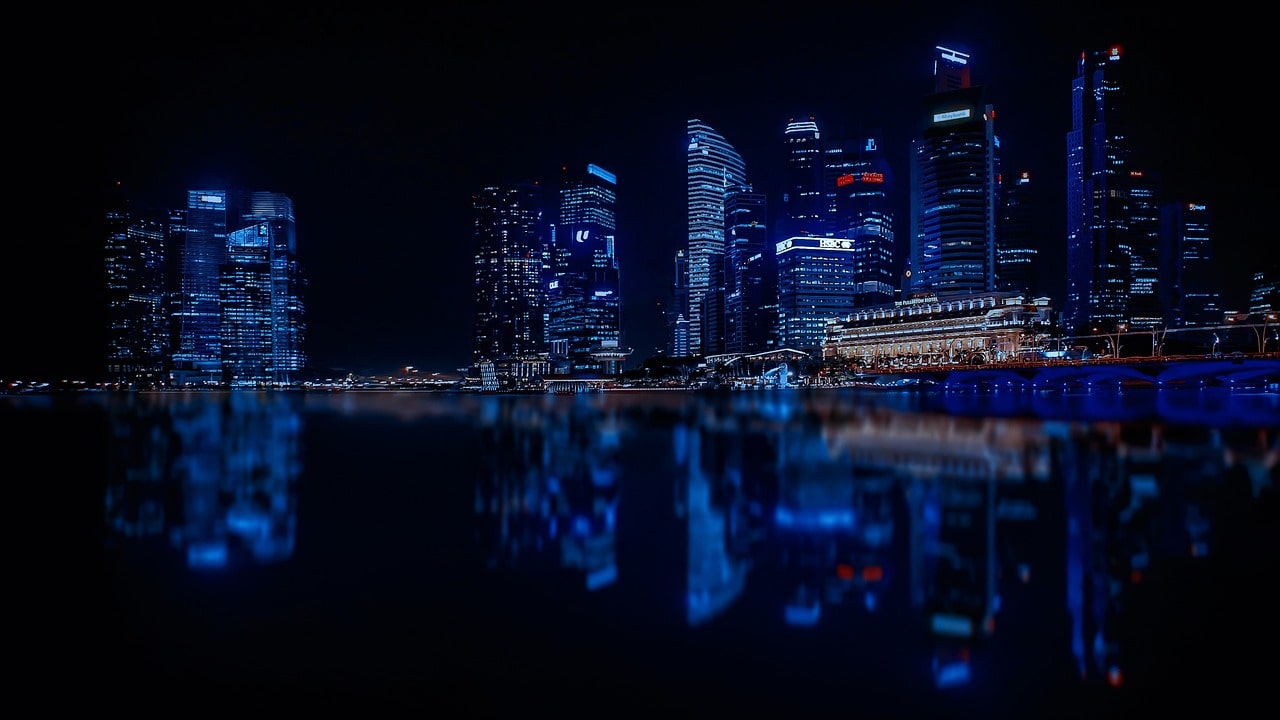
Good to know before you go to Singapore
Before You Go: Essential Travel Tips for Singapore
Singapore is a dynamic and modern city-state that offers a blend of futuristic architecture, lush green spaces, and rich cultural experiences. To help you prepare for your trip, here are some important tips and things to know before you go to Singapore.
1. Visa and Entry Requirements
Many nationalities can enter Singapore without a visa for short stays, typically up to 30 or 90 days, including citizens from the United States, the European Union, Canada, and Australia. If your country is not on the visa-exempt list, you can apply for a visa online via the Singapore Immigration & Checkpoints Authority (ICA) website. Ensure that your passport is valid for at least six months from your intended date of entry.
2. Health and Vaccinations
No specific vaccinations are required for Singapore, but it’s recommended to be up-to-date on routine vaccines such as measles, mumps, rubella (MMR), and tetanus. Singapore has excellent healthcare facilities, but it’s always a good idea to have travel insurance that covers medical emergencies. Carry any personal medications you need, as pharmacies may not carry the same brands or formulations you’re used to.
3. Currency and Payments
The official currency of Singapore is the Singapore Dollar (SGD). ATMs are widely available, and credit cards are accepted in most hotels, restaurants, and shopping centers. However, for small purchases at hawker centers or local markets, it’s a good idea to carry some cash. Singapore is also a highly tech-savvy city, with contactless payments and mobile payment apps widely accepted.
4. Weather and What to Pack
Singapore has a tropical climate with high humidity and temperatures averaging between 25°C to 31°C (77°F to 88°F) year-round. There is no distinct dry or wet season, although the months from November to January tend to be wetter due to the monsoon season. Be prepared for sudden rain showers, especially if visiting during these months.
When packing for Singapore, lightweight and breathable clothing is essential due to the warm climate. Don’t forget:
- Comfortable walking shoes: Singapore is a great city for walking and exploring its many parks and attractions.
- Umbrella or raincoat: For protection during rain showers.
- Sun protection: Sunscreen, sunglasses, and a hat are must-haves for sunny days.
5. Language and Communication
Singapore has four official languages: English, Mandarin, Malay, and Tamil, with English being the primary language used for business, government, and education. Visitors will have no trouble communicating in English, as it’s widely spoken. You’ll also encounter Singlish, a unique blend of English with local slang, which is commonly used in informal conversations.
6. Transportation
Singapore boasts a highly efficient public transportation system, making it easy to get around the city. The MRT (Mass Rapid Transit) is the fastest way to travel, connecting key attractions, shopping districts, and cultural neighborhoods. Buses are also reliable and easy to use. For convenience, tourists can purchase a Singapore Tourist Pass for unlimited rides on buses and the MRT.
Taxis and ride-hailing services such as Grab are readily available but are more expensive than public transport. Walking and cycling are also great ways to explore areas like Marina Bay, Gardens by the Bay, and East Coast Park.
7. Cultural Etiquette and Taboos
Singapore is a multicultural city with a mix of Chinese, Malay, Indian, and other ethnic communities. It’s important to be respectful of local customs and traditions:
- Dress modestly: When visiting religious sites like temples, mosques, or churches, dress modestly by covering your shoulders and knees.
- Public behavior: Avoid public displays of affection, as they are considered inappropriate. Chewing gum in public is also prohibited, and littering is subject to fines.
- Remove shoes: When entering someone’s home or places of worship, be sure to remove your shoes as a sign of respect.
8. Food and Water Safety
Singapore is renowned for its safe and clean environment, including its food and water. Tap water is safe to drink, and the city’s food hygiene standards are among the highest in the world. Don’t hesitate to enjoy meals at hawker centers, where you can sample authentic local dishes such as Hainanese chicken rice and chili crab. To be cautious, avoid drinking tap water in rural areas, though this is rarely a concern for most travelers.
9. Electrical Outlets and Plugs
Singapore uses the Type G electrical plug, which has three rectangular prongs in a triangular pattern, the same as in the UK. The standard voltage is 230V with a frequency of 50Hz. If you’re coming from a country with different plug types, you’ll need a power adapter.
10. Emergency Contacts
In case of an emergency, here are the important numbers you should know:
- Police: 999
- Ambulance and Fire Department: 995
- Non-Emergency Ambulance: 1777
Singapore is known for its safety and efficient public services, so travelers can feel confident that help is available if needed.
With these tips in mind, you’ll be well-prepared for an unforgettable trip to Singapore. From its impressive skyline to its vibrant cultural neighborhoods, Singapore offers a unique blend of experiences that will leave you with lasting memories.


