




Costa Rica Holiday – Pura Vida Adventure Awaits Embark on the ultimate Costa Rica holiday and uncover a land where nature thrives and adventure...
Discover the soul of Costa Rica—then finish with an easy-going break in Panama City—on this richly varied journey designed for travellers who want iconic...
Discover Costa Rica
Costa Rica is a rugged, rainforested Central American country with coastlines on the Caribbean and Pacific. Though its capital, San Jose, is home to cultural institutions like the...
Reasons to Visit Costa Rica
The Forests
Hiking through the rainforest in Costa Rica is an amazing experience. The...
The Adventure Sports
You can do all kinds of adventure sports in Costa Rica from...
The Beaches
We are not exaggerating when we are saying Costa Rica has the...
The Volcanoes
Costa Rica is home to 14 active and non-active Volcanoes. These volcanoes...
The Food
Costa Rica gets plenty of rain and sun which allows its lush...
Explore Costa Rica
See where your journey could take you
Explore Costa Rica: A Paradise of Lush Nature, Rich Culture, and Eco-Friendly Lifestyle Costa Rica, nestled between the Pacific Ocean and the Caribbean Sea, is celebrated for its breathtaking nature, vibrant culture, and eco-friendly lifestyle. Known for its rich biodiversity and commitment to conservation, Costa Rica offers an immersive travel experience that captivates the hearts of adventurers and nature lovers alike. From the cloud forests…
Explore Costa Rica: A Paradise of Lush Nature, Rich Culture, and Eco-Friendly Lifestyle
Costa Rica, nestled between the Pacific Ocean and the Caribbean Sea, is celebrated for its breathtaking nature, vibrant culture, and eco-friendly lifestyle. Known for its rich biodiversity and commitment to conservation, Costa Rica offers an immersive travel experience that captivates the hearts of adventurers and nature lovers alike. From the cloud forests of Monteverde to the sun-kissed beaches of Guanacaste, this Central American gem invites exploration and relaxation.
Cultural Heritage: A Blend of Tradition and Modern Values
Costa Rica’s cultural heritage is influenced by a blend of indigenous roots and Spanish colonial history, resulting in a unique fusion of traditions. The capital city, San José, is home to significant cultural landmarks such as the National Theatre and the Pre-Columbian Gold Museum, showcasing the country’s artistic and historical richness. Festivals like Día de los Boyeros, which celebrates ox-cart drivers, highlight the deep ties to rural traditions and the nation’s agricultural past.
Music and dance are integral parts of Costa Rican culture. The rhythms of calypso, cumbia, and traditional folk dances can be enjoyed during local festivals and celebrations. The phrase “pura vida”, meaning “pure life,” reflects the Costa Rican approach to life—embracing simplicity, gratitude, and joy.
The Lifestyle: Eco-Friendly and Laid-Back
The lifestyle in Costa Rica is relaxed and eco-conscious, aligning with the nation’s dedication to environmental sustainability. Many Costa Ricans, known as “Ticos,” prioritize a balanced life that respects nature and community. Eco-tourism is a cornerstone of the local economy, with sustainable practices woven into everyday life. Visitors will notice this commitment in eco-lodges, organic farms, and community-led conservation projects.
Coastal towns like Manuel Antonio and Santa Teresa are known for their surf culture, beachfront yoga, and healthy cuisine, reflecting a harmonious balance between modern living and natural surroundings.
Natural Beauty: Rainforests, Volcanoes, and Beaches
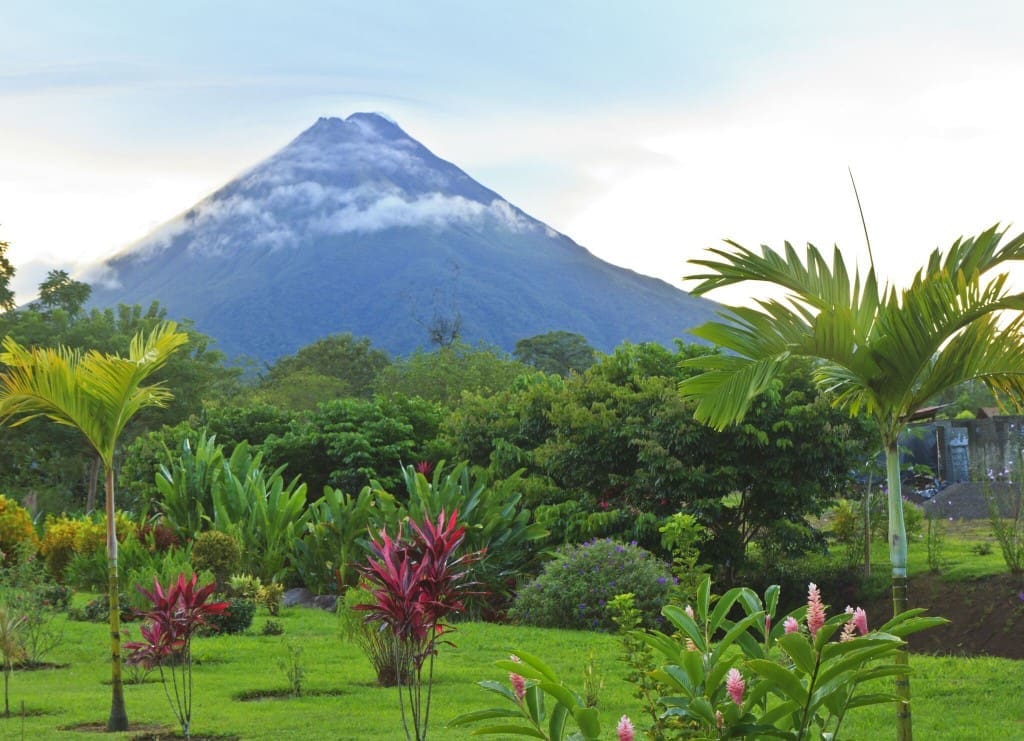
Costa Rica’s natural beauty is unparalleled, with over 25% of its land protected as national parks and reserves. The iconic Arenal Volcano, with its perfect cone shape, is surrounded by lush rainforests and hot springs that provide the perfect backdrop for adventure and relaxation. The Monteverde Cloud Forest Reserve is a haven for biodiversity, where visitors can explore suspended bridges, spot rare bird species like the resplendent quetzal, and experience the mystique of the cloud-covered canopy.
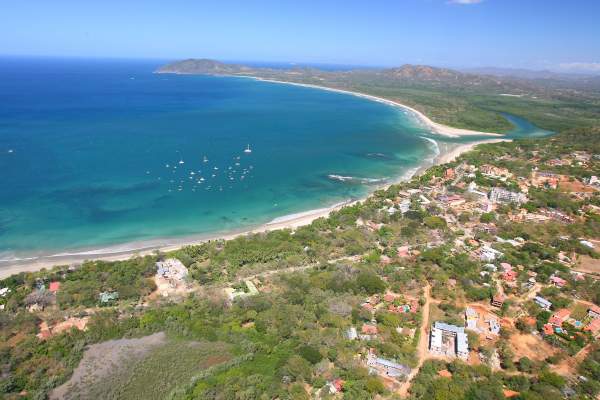
The country’s beaches are equally stunning, from the golden sands of Tamarindo to the secluded shores of the Osa Peninsula. The Pacific coast offers excellent surfing and whale-watching opportunities, while the Caribbean side boasts vibrant coral reefs ideal for snorkeling and diving.
Wildlife and Conservation
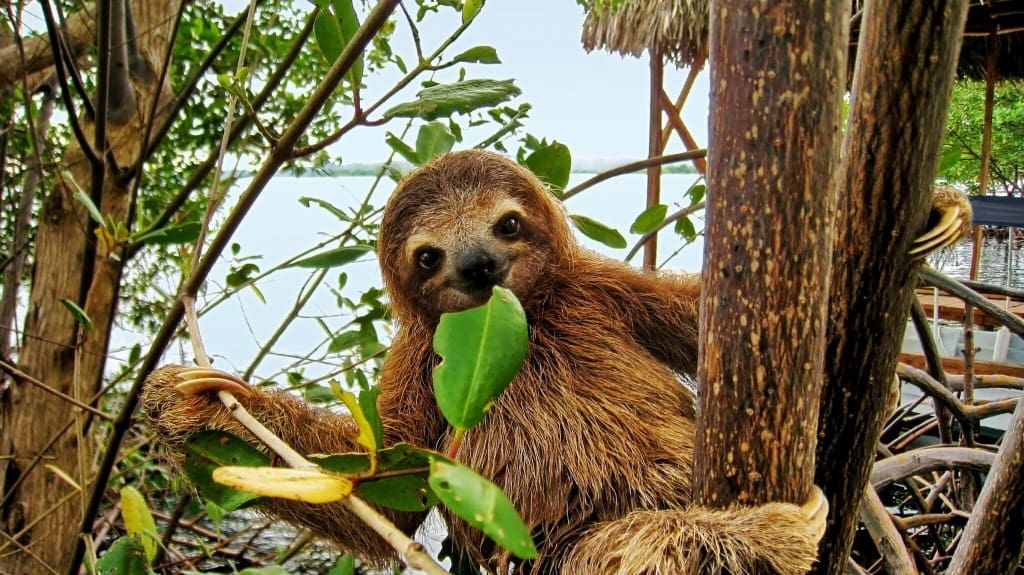
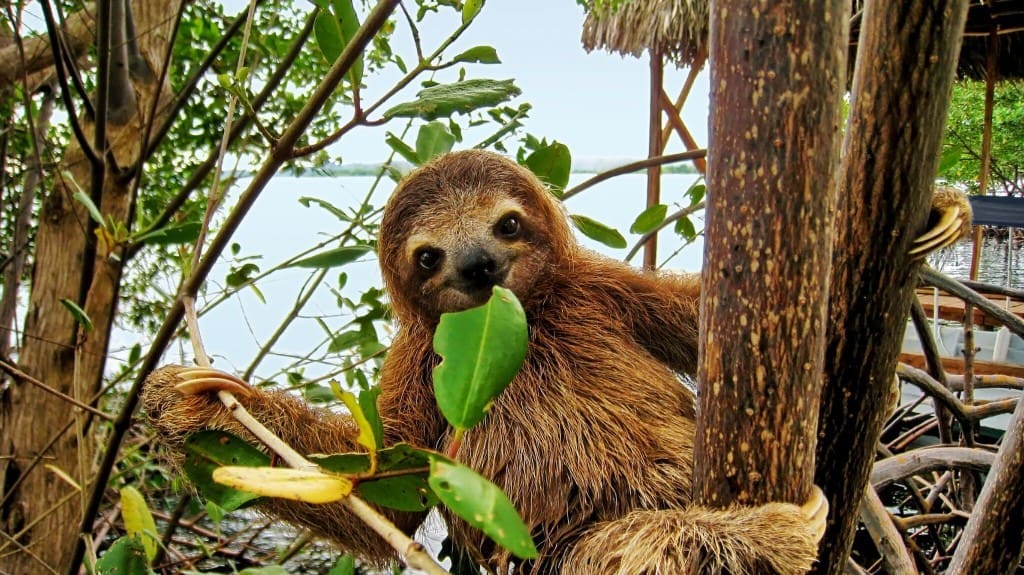
Costa Rica is renowned for its diverse wildlife, hosting over 500,000 species. Visitors can see sloths hanging in the trees, monkeys leaping from branch to branch, and sea turtles nesting along the beaches of Tortuguero National Park. Birdwatchers will be thrilled by the variety of species, including toucans, scarlet macaws, and hummingbirds.
Conservation is a national priority, with numerous initiatives dedicated to protecting ecosystems and wildlife. The Corcovado National Park on the Osa Peninsula is considered one of the most biodiverse places on Earth, providing a sanctuary for jaguars, tapirs, and many other species. Eco-tourism in Costa Rica supports these conservation efforts, allowing travelers to experience nature responsibly.
Experience Costa Rican Cuisine: Fresh and Flavorful
Costa Rican cuisine is simple yet delicious, emphasizing fresh ingredients and traditional flavors. Gallo pinto, a mix of rice and beans, is a staple breakfast dish often served with eggs, plantains, and a side of sour cream. Casado, a hearty plate featuring rice, beans, salad, and meat or fish, is a typical lunch that embodies the spirit of Costa Rican home cooking.
Seafood is abundant along the coast, with dishes like ceviche and grilled fish showcasing the country’s access to the ocean’s bounty. Sweet treats such as tres leches cake and arroz con leche offer a delightful end to any meal. Coffee enthusiasts will find themselves in paradise, as Costa Rica is known for producing some of the best coffee in the world, grown in the rich volcanic soil of the highlands.
An immersive travel experience in Costa Rica combines culture, nature, and lifestyle for a journey that rejuvenates the body and soul. Whether zip-lining through the rainforest, hiking to hidden waterfalls, or relaxing on a pristine beach, Costa Rica invites you to discover the true meaning of “pura vida.”
Let Costa Rica’s stunning landscapes, warm people, and rich traditions take you on an adventure that will leave you refreshed and inspired.
Featured Places in Costa Rica
Discover some of our most sought-after places, from timeless icons to hidden gems.

Rincon de la Vieja
Discover Rincon de la Vieja with Lumle

San Jose
Discover San Jose with Lumle

Tortuguero
Discover Tortuguero with Lumle

Drake Bay
Discover Drake Bay with Lumle

La Fortuna
Discover La Fortuna with Lumle
Manuel Antonio
Discover Manuel Antonio with Lumle
Volcán Arenal
Discover Volcán Arenal with Lumle
Monteverde
Discover Monteverde with Lumle
Suggested Itineraries in Costa Rica
Carefully crafted itineraries for an unforgettable journey.
Essential Costa Rica with Guanacaste: Rainforests, Volcanoes & Beaches
Costa Rica
- Small Group
Costa Rica Adventure: Rainforests, Volcanoes, Wildlife, Beaches & Culture
Costa Rica
- Cultural Holidays
- Bird Watching Holidays
Magic Costa Rica: Rainforests, Volcanoes, Wildlife, Beaches & Culture
Costa Rica
- Cultural Holidays
- Family Holidays
Costa Rica with Panama: Rainforests, Volcanoes, Beaches, Wildlife & Culture
Costa Rica, Panama
- Small Group

Treasures of Costa Rica: Rainforests, Volcanoes, Wildlife, Beaches & Culture
Costa Rica
- Cultural Holidays

Caribbean to Pacific: Cultures & Coastlines of Central America
Costa Rica
- Cultural Holidays
- Small Group

Beaches and Nature with Tambor: Beaches, Wildlife, Rainforests, Nature & Culture
Costa Rica
- Cultural Holidays
- Bird Watching Holidays
Costa Rica & Panama: Rainforests, Wildlife, Culture & Nature
Costa Rica, Panama
- Cultural Holidays

Highlights of Costa Rica: Rainforests, Wildlife, Volcanoes & Beaches
Costa Rica
- Cultural Holidays
- Small Group
Costa Rica Essentials: Rainforests, Wildlife, Volcanoes & Beaches
Costa Rica
- Cultural Holidays
- Small Group

Beaches & Nature with Santa Teresa: Sun, Surf, Wildlife & Relaxation
Costa Rica
- Cultural Holidays
Essential Costa Rica Travel Guide
Everything you need to know to plan your perfect Costa Rica adventure.
Costa Rica Travel Information
Essential information for your Costa Rica holiday. Content is tailored to your selected market.
Best time to visit
September to November is mild; November to March is the warmest. The Amazon Rainforest has two seasons: wet (January to June) and dry (July to December).
Flight time
Direct flights to San José take approximately 10 hours. One-stop flights via Panama City, Bogotá, São Paulo, or Miami take longer.
Recommended airlines
JetBlue, Avianca, LATAM, United Airlines, and American Airlines offer one-stop flights. Our packages include one-stop flights, with direct and preferred airline options available at an extra cost.
Visa & entry requirements
US citizens do not require a tourist visa. Entry requirements may change, so travellers should check with the Costa Rican Embassy or official sources before departure. It is your responsibility to check and meet entry requirements before travel.
Time difference
UTC –6 hours (Costa Rica is 6 hours behind the UK during standard time and 7 hours behind during British Summer Time)
Search our FAQs
What can we help you with today?
Costa Rica Travel FAQs
Everything you need to know about planning and taking your journey.
Good to know before you go to Costa Rica
Before You Go to Costa Rica: Essential Travel Tips and Advice Costa Rica is a top destination for eco-tourism, outdoor adventure, and relaxation. Whether you’re planning to explore the country’s diverse wildlife, hike through rainforests, or unwind on pristine beaches, a little preparation will help you make the most of your trip. Here’s what you need to know before you go to Costa Rica. 1.…
Before You Go to Costa Rica: Essential Travel Tips and Advice
Costa Rica is a top destination for eco-tourism, outdoor adventure, and relaxation. Whether you’re planning to explore the country’s diverse wildlife, hike through rainforests, or unwind on pristine beaches, a little preparation will help you make the most of your trip. Here’s what you need to know before you go to Costa Rica.
1. Check Visa Requirements and Passport Validity
For most travelers, including those from the United States, Canada, the UK, Australia, and the European Union, a visa is not required for stays of up to 90 days. Your passport must be valid for at least six months beyond your intended stay. Upon arrival, you may be asked to show proof of onward travel, such as a return or onward ticket. If you plan to stay longer than 90 days, you can extend your stay by applying for a visa extension at a Costa Rican immigration office.
2. Plan for Costa Rica’s Climate
Costa Rica has a tropical climate with two distinct seasons: the dry season from December to April and the green season from May to November. The dry season is the most popular time to visit, with sunny weather perfect for beach trips, hiking, and exploring the national parks. The green season, while rainy, offers fewer crowds, lower prices, and lush landscapes. Rain typically falls in the afternoons, leaving mornings clear for activities. Be prepared for a variety of weather, especially if you’re visiting highland regions like Monteverde, where it can be cool and misty.
3. Stay Healthy: Vaccinations and Health Tips
It’s recommended to be up-to-date on routine vaccinations, such as hepatitis A and typhoid. If you plan to visit remote jungle areas, particularly in the Osa Peninsula or Tortuguero, consult your doctor about vaccinations and whether you should take precautions for malaria or yellow fever. Tap water is generally safe to drink in major tourist areas, but bottled water is recommended in rural regions. Don’t forget to pack insect repellent, sunscreen, and any prescription medications, as some areas, especially rainforests, are home to mosquitoes and other insects.
4. Currency: The Costa Rican Colón
The official currency of Costa Rica is the Costa Rican Colón (CRC). US dollars are widely accepted in most tourist areas, and many hotels, restaurants, and shops list prices in both colones and dollars. ATMs are available in major cities and towns, and credit cards are widely accepted in tourist areas. However, it’s a good idea to carry some local currency for smaller purchases, especially in more rural areas where card payments may not be available. Be aware of exchange rates and check whether your bank charges international transaction fees.
5. Learn Basic Spanish Phrases
While English is spoken in most tourist areas, particularly in hotels, restaurants, and by tour operators, learning a few basic Spanish phrases can go a long way in making your trip more enjoyable. Common phrases like “Hola” (Hello), “Gracias” (Thank you), and “¿Cuánto cuesta?” (How much does it cost?) will help you communicate with locals, especially in more rural areas where English may be less common. Carrying a small phrasebook or using a translation app can also be helpful when navigating more remote regions of the country.
6. Safety Tips for Travelers
Costa Rica is considered one of the safest countries in Central America, but it’s still important to exercise caution and common sense. In cities like San José, be mindful of pickpockets and avoid walking alone at night in less populated areas. On the beach, never leave valuables unattended and use hotel safes when available. In remote areas like the Osa Peninsula, it’s a good idea to travel with a guide for jungle hikes. Stick to well-marked trails in national parks, and always follow local advice to ensure your safety.
7. Transportation in Costa Rica
Costa Rica offers a variety of transportation options, depending on where you’re traveling. Public buses are affordable and widely available, but for more comfort and convenience, many travelers opt for shuttle services or private transfers, especially for longer journeys. Renting a car is also popular for those looking to explore at their own pace, but keep in mind that road conditions in rural areas can be challenging, particularly during the green season. Domestic flights are available between major destinations, including San José, La Fortuna, and the Osa Peninsula, offering a faster way to travel across the country.
8. Respect Local Culture and Customs
Costa Ricans, or “Ticos,” are known for their friendly and welcoming attitude. To show respect, always greet locals with a polite “Buenos días” (Good morning) or “Buenas tardes” (Good afternoon). Costa Rica has a strong environmental conservation ethos, so be mindful of your impact when visiting national parks, beaches, and wildlife reserves. Follow “Leave No Trace” principles by disposing of waste properly and refraining from touching or disturbing wildlife. Many destinations in Costa Rica promote eco-friendly tourism, so look for accommodations and tours that focus on sustainability.
9. Tipping Etiquette in Costa Rica
Tipping in Costa Rica is generally appreciated but not mandatory. In restaurants, a 10% service charge is usually included in the bill, but it’s customary to leave an additional tip if the service was excellent. For hotel staff, small tips for housekeeping and porters are appreciated. When taking guided tours, it’s common to tip guides and drivers if you’re satisfied with the service. Taxis do not require tipping, but rounding up the fare is a polite gesture.
10. What to Pack for Costa Rica
What you pack for Costa Rica depends on the regions you’re visiting and the activities you have planned. For beach destinations like Tamarindo or Manuel Antonio, pack lightweight clothing, swimwear, sunscreen, and a hat for sun protection. For rainforest and mountain areas like Monteverde or La Fortuna, bring layers, a rain jacket, and sturdy hiking shoes, as temperatures can be cooler and rain showers frequent. Don’t forget insect repellent, a reusable water bottle, and biodegradable toiletries, especially if you’re staying in eco-lodges. A waterproof bag is also useful for protecting your belongings during outdoor activities.
Finally, bring any necessary travel documents, including copies of your passport, travel insurance, and any relevant medical information. With proper preparation, you’ll be ready to fully enjoy Costa Rica’s breathtaking landscapes and exciting adventures.
Ready to experience Costa Rica?
Explore our carefully planned Costa Rica holidays or speak to us about creating a journey tailored around you.
Need some help? Call 1-888-214-4856
Start Planning Your Costa Rica Journey
Our travel specialists have explored every corner of Costa Rica. Speak with us today to customize your perfect adventure.

