



From the dynastic relics of Seoul to the lantern-lit charm of Hoi An, this immersive journey across South Korea and Vietnam takes you through...
Embark on a cultural odyssey through Asia’s most captivating destinations — from futuristic cities and ancient palaces to floating markets and tropical beaches. Begin...
Discover South Korea
South Korea is a multidimensional country with Buddhist temples, colonial palaces, high-tech architecture, and markets. Along with exploring South Korea’s main highlights, our team of expert will help...
Reasons to Visit South Korea
Scenic Wonders
Discover breathtaking landscapes, beautiful coastlines and remarkable natural scenery.
Culture & Heritage
Explore fascinating traditions, historic landmarks and rich cultural heritage.
Memorable Experiences
Enjoy exciting discoveries, unique attractions and unforgettable travel moments.
People & Traditions
Experience warm hospitality, local customs and authentic cultural encounters.
Hidden Gems
Discover lesser-known treasures, iconic highlights and distinctive local charm.
Explore South Korea: A Journey of Rich Culture, Modern Lifestyle, and Scenic Nature South Korea is a captivating country that seamlessly blends ancient culture, modern lifestyle, and breathtaking nature. This dynamic nation offers an immersive travel experience with its vibrant cities, historic temples, serene mountains, and warm hospitality. From the bustling streets of Seoul to the tranquil landscapes of Jeju Island, South Korea has something…
Explore South Korea: A Journey of Rich Culture, Modern Lifestyle, and Scenic Nature
South Korea is a captivating country that seamlessly blends ancient culture, modern lifestyle, and breathtaking nature. This dynamic nation offers an immersive travel experience with its vibrant cities, historic temples, serene mountains, and warm hospitality. From the bustling streets of Seoul to the tranquil landscapes of Jeju Island, South Korea has something to offer every traveler.
Cultural Heritage: The Legacy of Tradition
South Korea’s cultural heritage is rich and varied, with influences from centuries of history and tradition. The ancient city of Gyeongju, known as the “museum without walls,” is home to historical sites like the Bulguksa Temple and the Seokguram Grotto, both UNESCO World Heritage Sites. The majestic Changdeokgung Palace in Seoul, with its stunning Secret Garden, showcases traditional Korean architecture and royal history.
South Korea’s spiritual heart can be found in its Buddhist temples, such as the serene Haeinsa Temple, which houses the Tripitaka Koreana, a collection of Buddhist scriptures. Participating in a temple stay allows travelers to experience the tranquility and practices of monastic life.
The Lifestyle: Innovation Meets Tradition
South Korea’s lifestyle is a blend of fast-paced modernity and deeply rooted traditions. Seoul, the vibrant capital, is a hub of innovation, featuring futuristic architecture, high-tech shopping centers, and a thriving entertainment industry that includes K-pop and Korean dramas. The bustling district of Gangnam epitomizes the country’s modern, luxurious lifestyle.
Despite its urban energy, Korea maintains a strong connection to its traditions. The streets of Insadong are lined with antique shops, teahouses, and art galleries, showcasing the country’s artistic heritage. Hanok villages, like Bukchon Hanok Village, provide a glimpse into traditional Korean homes and customs.
Natural Beauty: Mountains, Islands, and Coastal Splendor
South Korea’s natural beauty is diverse and enchanting. The iconic Seoraksan National Park is a haven for hikers and nature lovers, offering dramatic peaks, lush forests, and picturesque temples. The scenic Naejangsan National Park is particularly stunning in autumn when the mountains are painted in vibrant hues of red and gold.
The volcanic Jeju Island, known as the “Hawaii of Korea,” is famous for its unique landscapes, including the towering Hallasan Mountain, lava tubes, and pristine beaches. The island’s Haenyeo (female divers) are renowned for their traditional free-diving practice, a UNESCO Intangible Cultural Heritage.
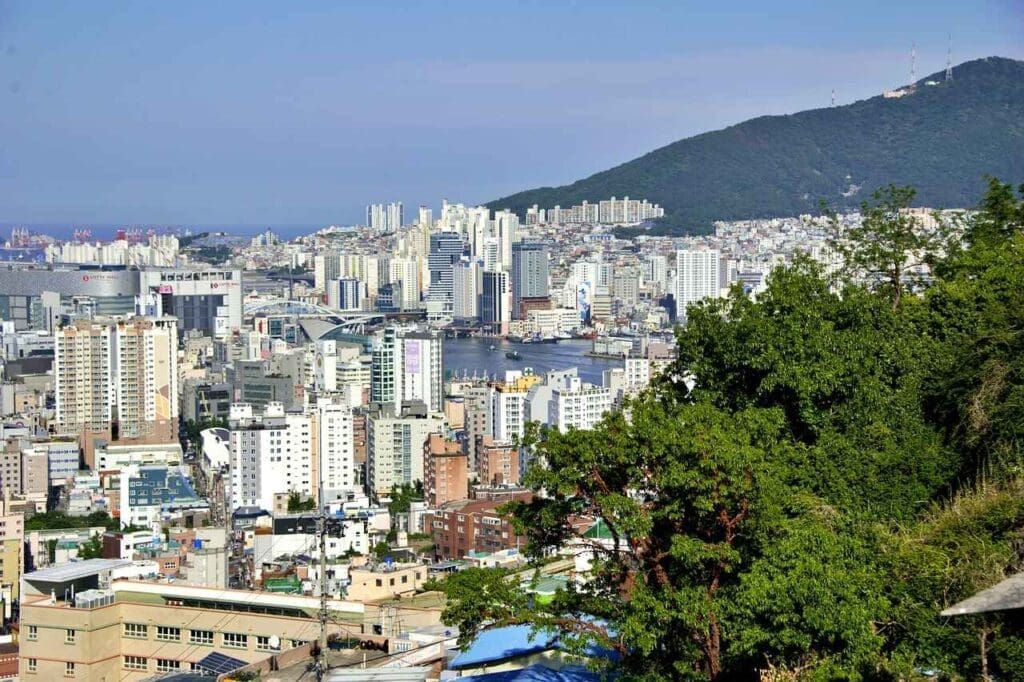
Coastal areas such as Busan offer a different kind of charm, with stunning beaches like Haeundae and the vibrant atmosphere of Jagalchi Fish Market, where visitors can sample fresh seafood and local delicacies.
Wildlife and Outdoor Activities
South Korea is home to unique wildlife and offers ample opportunities for outdoor enthusiasts. Birdwatchers can visit the Suncheon Bay Wetland Reserve, known for its migratory bird populations and scenic reed fields. The DMZ (Demilitarized Zone) is not only a place of historical significance but also a protected area that supports diverse flora and fauna.
For those seeking adventure, activities like hiking, rock climbing, and skiing are popular, with mountains like Jirisan and Bukhansan providing excellent trails and scenic views. South Korea’s rivers and coastlines also offer water sports such as kayaking and windsurfing.
Experience Korean Cuisine: A Harmony of Flavors
South Korean cuisine is beloved worldwide for its bold flavors and healthful ingredients. Kimchi, a spicy fermented cabbage dish, is a staple at every meal. Other iconic dishes include bibimbap, a mixed rice dish topped with vegetables, egg, and gochujang (chili paste), and bulgogi, marinated and grilled beef.
Street food is an integral part of Korean dining culture. Markets like Gwangjang Market in Seoul offer a variety of snacks, such as tteokbokki (spicy rice cakes), hotteok (sweet pancakes), and mandu (dumplings). Participating in a cooking class can enhance your appreciation for Korean cuisine and teach you the techniques behind these beloved dishes.
An immersive travel experience in South Korea is one that combines culture, nature, and lifestyle to create a memorable journey. Whether exploring the palaces of Seoul, hiking in Seoraksan, or indulging in delicious street food, South Korea offers a dynamic blend of the old and new that captivates every traveler.
Let South Korea take you on a journey where tradition meets innovation, creating stories and memories that will last a lifetime.
Featured Places in South Korea
Discover some of our most sought-after places, from timeless icons to hidden gems.


Essential South Korea Travel Guide
Everything you need to know to plan your perfect South Korea adventure.


South Korea Travel Information
Essential information for your South Korea holiday. Content is tailored to your selected market.
Best time to visit
The best time to visit South Korea is during spring (March to May) for cherry blossoms and autumn (September to November) for mild weather and colourful foliage.
Flight time
Flights from the US to Seoul take around 13–14 hours direct from cities like Los Angeles, San Francisco, Seattle, or Dallas. One-stop flights from other cities may take 15–18 hours with connections via Tokyo, Vancouver, or Doha.
Recommended airlines
Korean Air, Asiana, Delta, United, American, and Qatar offer direct and one-stop flights. Our packages include one-stop flights, with direct and preferred airline options available at an extra cost.
Visa & entry requirements
US citizens do not require a tourist visa for stays of up to 90 days. Entry requirements may change, so travellers should check with the South Korean Embassy or official sources before departure. It is your responsibility to check and meet entry requirements before travel.
Time difference
UTC +9 hours (South Korea is 13–17 hours ahead of the US depending on your departure location)
Search our FAQs
What can we help you with today?
South Korea Travel FAQs
Everything you need to know about planning and taking your journey.
Good to know before you go to South Korea
Before You Go South Korea: Essential Travel Tips Planning a trip to South Korea can be an exciting endeavour filled with opportunities to explore a rich cultural landscape, breathtaking natural beauty, and vibrant urban life. To help you make the most of your adventure, here’s a comprehensive guide of things to consider before you go to South Korea. 1. Check Visa Requirements Visa requirements for…
Before You Go South Korea: Essential Travel Tips
Planning a trip to South Korea can be an exciting endeavour filled with opportunities to explore a rich cultural landscape, breathtaking natural beauty, and vibrant urban life. To help you make the most of your adventure, here’s a comprehensive guide of things to consider before you go to South Korea.
1. Check Visa Requirements
Visa requirements for South Korea depend on your nationality. Many travelers from countries such as the United States, Canada, and most EU nations can enter South Korea without a visa for short stays (usually up to 90 days). It’s important to check the specific requirements for your country and ensure you have the necessary documents before your trip.
2. Pack Accordingly
South Korea experiences four distinct seasons, so packing the right clothing is essential. Lightweight and breathable fabrics are ideal for the summer months, while layers are recommended for spring and fall. In winter, be prepared for cold temperatures by bringing warm clothing. Comfortable walking shoes are a must for exploring cities and hiking trails.
3. Health Precautions
South Korea is generally a safe destination with good healthcare services. It’s advisable to have travel insurance that covers medical expenses. Vaccinations are not mandatory, but check with your healthcare provider to ensure you’re up-to-date on routine vaccinations. Carry a basic first-aid kit for minor injuries or ailments.
4. Learn Basic Korean Phrases
While many people in South Korea speak English, especially in tourist areas, learning a few basic Korean phrases can enhance your experience. Phrases such as “안녕하세요” (Annyeonghaseyo – Hello) and “감사합니다” (Gamsahamnida – Thank you) can help you communicate with locals and show respect for their culture.
5. Familiarize Yourself with Local Customs
Understanding local customs can greatly enhance your interactions in South Korea. Greetings typically involve a bow, and it’s important to remove your shoes when entering someone’s home. Dining etiquette is also important; wait for the host to start the meal before you begin eating. Tipping is not customary but appreciated in some situations.
6. Plan Your Itinerary Wisely
South Korea offers a wealth of attractions, from bustling cities to serene countryside. Prioritize the sites you want to visit and plan your itinerary accordingly. Make sure to leave room for spontaneous adventures and local recommendations.
7. Stay Connected
Staying connected in South Korea is easy, with widespread Wi-Fi availability in hotels, cafes, and public spaces. Consider purchasing a local SIM card or a portable Wi-Fi device for reliable internet access while exploring. Major telecom providers offer various prepaid plans for tourists.
8. Currency and Payment Methods
The currency in South Korea is the South Korean Won (KRW). It’s a good idea to exchange some money before your trip or withdraw cash from ATMs upon arrival. Credit cards are widely accepted, but it’s wise to carry cash for local markets and smaller vendors.
9. Emergency Contacts
Familiarize yourself with emergency contact numbers before your trip. The general emergency number in South Korea is 112 for police and 119 for fire and medical emergencies. Keep the contact information for your country’s embassy or consulate handy in case of any issues during your stay.
With these essential tips, you’ll be better prepared for your adventure in South Korea. The country’s rich culture, delicious cuisine, and stunning landscapes await you, promising an unforgettable travel experience.
Ready to experience South Korea?
Explore our carefully planned South Korea holidays or speak to us about creating a journey tailored around you.
Need some help? Call 1-888-214-4856
Start Planning Your South Korea Journey
Our travel specialists have explored every corner of South Korea. Speak with us today to customize your perfect adventure.

