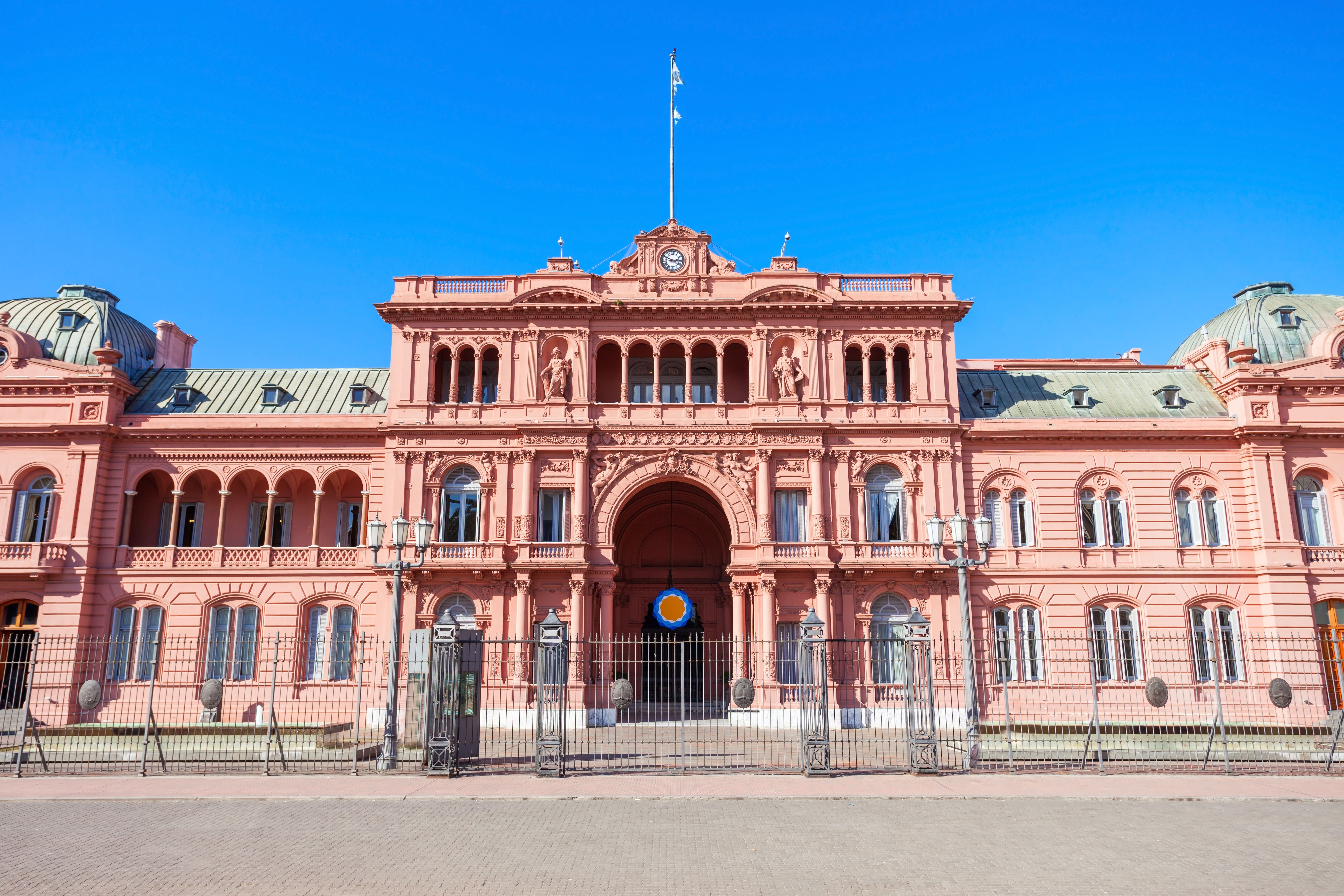
Good to know before you go to Argentina
Before You Go to Argentina: Essential Travel Tips
Argentina is a diverse country known for its breathtaking landscapes, vibrant culture, and iconic cities. Whether you’re heading to the bustling streets of Buenos Aires, the stunning glaciers of Patagonia, or the sun-soaked vineyards of Mendoza, it’s important to be prepared. Here are the essential tips you need to know before you go to Argentina to make your trip smooth and enjoyable.
1. Check Visa Requirements
Most travelers from the US, Canada, the EU, and Australia do not need a visa to enter Argentina for stays of up to 90 days. However, always check visa requirements specific to your country before you travel. Ensure that your passport is valid for at least six months beyond your intended departure date. If you plan to stay longer or for reasons other than tourism, you may need to apply for a visa in advance.
2. Know the Currency: Argentine Peso (ARS)
The official currency of Argentina is the Argentine Peso (ARS). While credit cards are widely accepted in major cities like Buenos Aires and tourist areas such as Mendoza and Bariloche, it’s a good idea to carry some cash, particularly when visiting smaller towns or rural regions. ATMs are commonly available in urban centers, but they may have daily withdrawal limits, so plan accordingly. Be aware that exchange rates can fluctuate, so it’s a good idea to monitor rates before exchanging money.
3. Learn Some Basic Spanish Phrases
While English is widely spoken in major cities and tourist areas, especially in hotels and restaurants, you might encounter fewer English speakers in more rural regions. Learning a few basic Spanish phrases can enhance your experience and show respect to the locals. Common phrases like “Hola” (hello), “Gracias” (thank you), and “¿Cuánto cuesta?” (how much does it cost?) will be helpful in day-to-day interactions.
4. Best Time to Visit Argentina
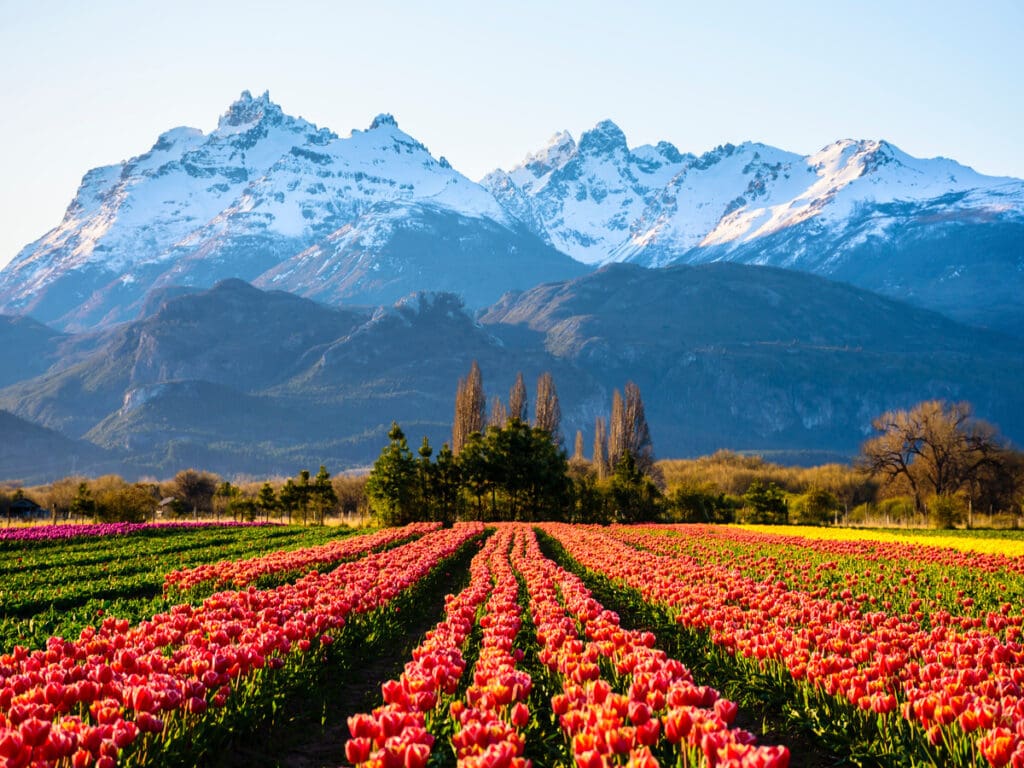
The best time to visit Argentina depends on the region you plan to explore. For visiting Patagonia, the summer months from December to February are ideal, offering mild temperatures and long daylight hours. If you’re heading to Buenos Aires, Mendoza, or the northwest, spring (September to November) and autumn (March to May) are the most pleasant seasons, with comfortable weather and fewer crowds. Winter (June to August) is perfect for skiing in the Andes and exploring northern regions where temperatures remain mild.
5. Pack According to the Season
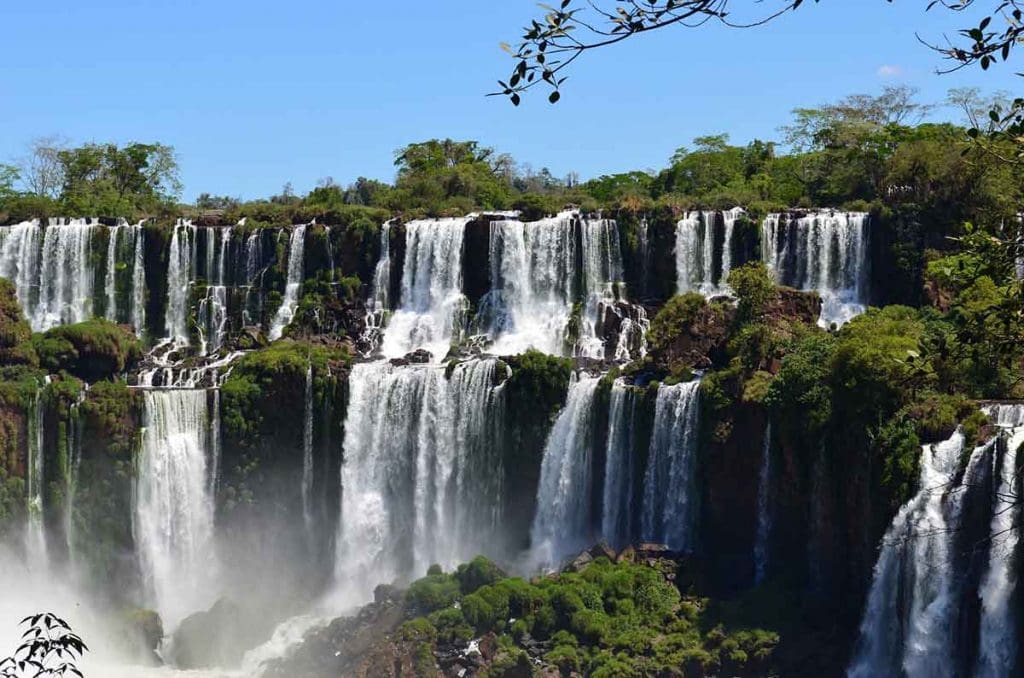
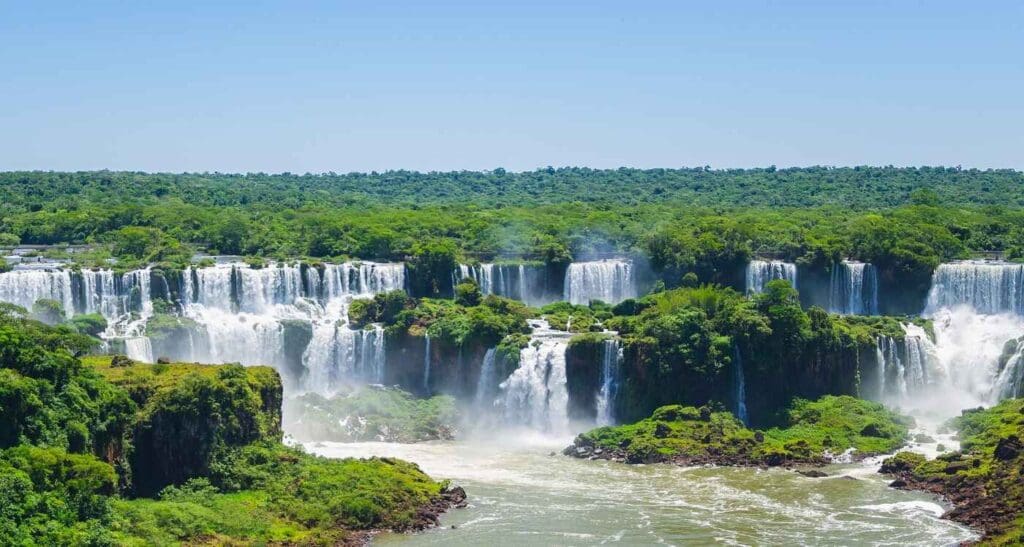
Argentina’s climate varies significantly depending on the region and season. If you’re visiting Patagonia in summer, pack layers, including a warm jacket and waterproof gear, as weather can be unpredictable. For a trip to Buenos Aires or Mendoza in spring or autumn, lighter clothing and comfortable shoes are recommended. If you plan to visit Iguazu Falls, bring lightweight, breathable clothing along with rain gear, as the tropical climate can be hot and humid year-round.
6. Domestic Flights and Transportation
Given Argentina’s vast size, flying is often the most efficient way to travel between distant regions, such as Buenos Aires, Patagonia, and Iguazu Falls. Domestic flights are frequent and a great option for saving time. For shorter distances, Argentina’s long-distance buses are comfortable, with several classes offering reclining seats and meal services. In major cities, public transportation such as buses and the metro (subte) in Buenos Aires is reliable and affordable. Taxis are widely available, but always use licensed taxis or apps like Uber for safety.
7. Understand the Tipping Customs
Tipping in Argentina is customary but not mandatory. In restaurants, it’s typical to leave a tip of around 10% for good service. Tipping is also appreciated for taxi drivers (by rounding up the fare) and hotel staff such as porters and housekeeping. If you’re taking guided tours, it’s a kind gesture to tip your guide at the end of the tour, especially if they’ve provided excellent service.
8. Stay Connected with a Local SIM Card
To stay connected during your trip, you can either use international roaming or purchase a local SIM card, which is often a more cost-effective option. Major mobile carriers like Movistar, Claro, and Personal offer prepaid SIM cards that you can purchase at kiosks, convenience stores, or mobile shops. Wi-Fi is widely available in hotels, cafés, and restaurants in cities, making it easy to stay connected without incurring high data charges.
9. Safety Tips for Travelers
Argentina is generally safe for tourists, but it’s always important to take basic precautions. In crowded areas like markets, public transportation, or tourist hotspots in cities, be mindful of pickpockets. Keep your belongings secure and avoid carrying large amounts of cash. In remote or natural areas like Patagonia, always inform someone of your plans before hiking or trekking, and follow local guidelines for safety. It’s also wise to carry a copy of your passport and important documents.
10. Travel Insurance is Recommended
While travel insurance isn’t required to enter Argentina, it’s highly recommended. Travel insurance can protect you in case of medical emergencies, lost luggage, or trip cancellations. If you plan to do outdoor activities like trekking in Patagonia or skiing in the Andes, ensure your policy covers adventure activities. Argentina has good healthcare services, but medical costs for foreign travelers can be expensive without insurance.
These essential tips will help you prepare before you go to Argentina, ensuring you have a smooth and enjoyable experience. From packing for the right season to understanding the local currency and transportation, a little preparation goes a long way in making your trip to Argentina unforgettable.