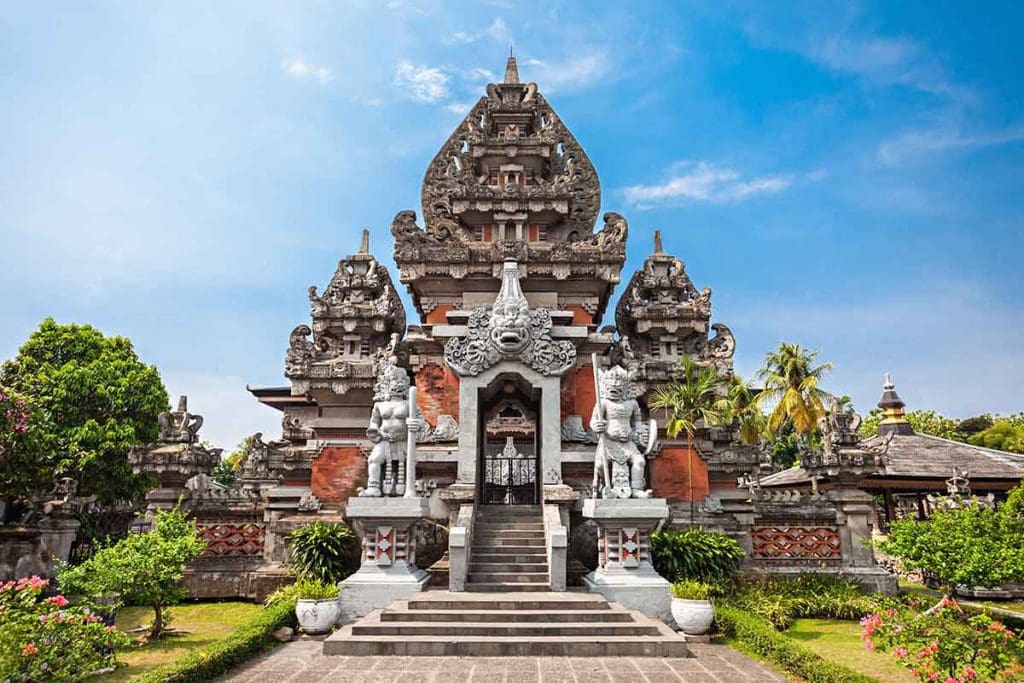
Good to know before you go Indonesia
Before You Go: Essential Travel Tips for Indonesia
Planning a trip to Indonesia? From visa requirements to packing tips and cultural etiquette, here’s everything you need to know before embarking on your journey to this beautiful archipelago. Whether you’re exploring Bali’s beaches, hiking volcanoes in Java, or diving in Raja Ampat, these essential tips will help you prepare for your trip to Indonesia.
1. Visa and Entry Requirements
Many nationalities can enter Indonesia without a visa for up to 30 days under the visa-free entry program. For those who need longer stays, you can obtain a Visa on Arrival (VOA) at major airports and seaports, which is valid for 30 days and can be extended once for an additional 30 days. It’s important to check with your local Indonesian consulate for the latest entry requirements and ensure your passport is valid for at least six months from your arrival date.
2. Health and Vaccinations
Before traveling to Indonesia, consult your doctor about necessary vaccinations. Routine vaccinations such as hepatitis A, typhoid, and tetanus are recommended. If you plan to visit rural or remote areas, you might also need vaccines for hepatitis B, Japanese encephalitis, or rabies. Bring any prescription medications you may need, as access to pharmacies may be limited in some regions.
3. Travel Insurance
It’s essential to have comprehensive travel insurance when visiting Indonesia. Make sure your insurance covers medical emergencies, trip cancellations, and activities such as trekking, diving, or surfing. While healthcare facilities in major cities like Jakarta and Bali are good, remote areas may have limited medical services, making insurance coverage important for peace of mind.
4. Currency and Money Matters
The official currency of Indonesia is the Indonesian Rupiah (IDR). ATMs are available in major cities and tourist areas, but it’s a good idea to carry cash when traveling to rural regions. Credit cards are widely accepted in upscale hotels and restaurants, particularly in Bali, Jakarta, and Yogyakarta, but smaller shops and markets typically prefer cash. Be sure to exchange money at official exchange counters or banks.
5. Best Time to Visit Indonesia
The best time to visit Indonesia is during the dry season, from May to September. The weather is ideal for outdoor activities such as hiking, beach trips, and cultural sightseeing. The wet season, from October to April, brings heavier rainfall, which can make travel in some areas more challenging. However, some regions, like Bali, can still be enjoyed year-round, as the rain often falls in short, heavy bursts.
6. Packing Essentials
Packing for Indonesia depends on where you plan to visit and the activities on your itinerary. Here are some essentials:
- Lightweight clothing: The tropical climate means it’s hot and humid year-round, so breathable fabrics are best.
- Comfortable shoes: Essential for exploring temples, hiking volcanoes, and walking through towns.
- Rain gear: If traveling during the wet season, pack a waterproof jacket and umbrella.
- Sun protection: Sunscreen, sunglasses, and a hat are necessary for outdoor activities.
- Insect repellent: To protect against mosquitoes, particularly in rural or jungle areas.
7. Language and Communication
The official language of Indonesia is Bahasa Indonesia, but English is widely spoken in tourist areas, hotels, and restaurants. Learning a few basic phrases, such as “Terima kasih” (thank you) and “Selamat pagi” (good morning), can go a long way in connecting with locals. In more remote areas, English may be less common, so a translation app or phrasebook can be helpful.
8. Transportation in Indonesia
Getting around Indonesia can vary depending on the region. In cities like Jakarta and Yogyakarta, taxis, ride-hailing apps (like Grab), and buses are common. In Bali, renting a motorbike or car is a popular option for getting around, but be mindful of traffic and local driving conditions. For island hopping, ferries and fast boats are available to travel between popular destinations like the Gili Islands and Lombok. Domestic flights are also a convenient option for traveling between islands.
9. Cultural Etiquette
Indonesia is a culturally diverse and largely Muslim country, so it’s important to respect local customs:
- Dress modestly: In religious or rural areas, cover your shoulders and knees, especially when visiting temples or mosques.
- Remove shoes: Always take off your shoes before entering someone’s home or a place of worship.
- Respect religious practices: Be mindful during Ramadan, especially in Muslim-majority regions, by avoiding eating or drinking in public during daylight hours.
10. Food and Water Safety
Indonesian cuisine is rich and varied, with popular dishes like Nasi Goreng (fried rice), Satay (grilled skewers), and Gado-Gado (vegetable salad with peanut sauce). Street food is widely available, but it’s important to choose vendors with good hygiene. Drink only bottled or filtered water, and avoid ice unless you’re sure it’s made from purified water. Most hotels and restaurants in tourist areas provide safe drinking water.
Indonesia is a destination that offers a unique blend of culture, adventure, and natural beauty. By preparing with these essential tips, you can ensure a smooth and enjoyable trip, whether you’re exploring Bali’s beaches, hiking Java’s volcanoes, or diving in Raja Ampat’s pristine waters.