
Good to know before you go to Panama
Before You Go to Panama: Essential Travel Tips and Advice
Panama is a country that offers a unique blend of modernity, natural beauty, and rich cultural heritage. Whether you’re exploring the iconic Panama Canal, relaxing on tropical beaches, or trekking through lush rainforests, being prepared for your trip will help ensure an unforgettable experience. Here’s everything you need to know before you go to Panama.
1. Check Visa Requirements and Passport Validity
For most travelers, including citizens from the United States, Canada, the UK, Australia, and the European Union, Panama allows visa-free entry for up to 180 days. Make sure your passport is valid for at least six months beyond your date of entry. Upon arrival, you may need to show proof of onward travel, such as a return ticket. It’s always a good idea to check specific visa requirements for your nationality before your trip.
2. Plan for Panama’s Tropical Climate
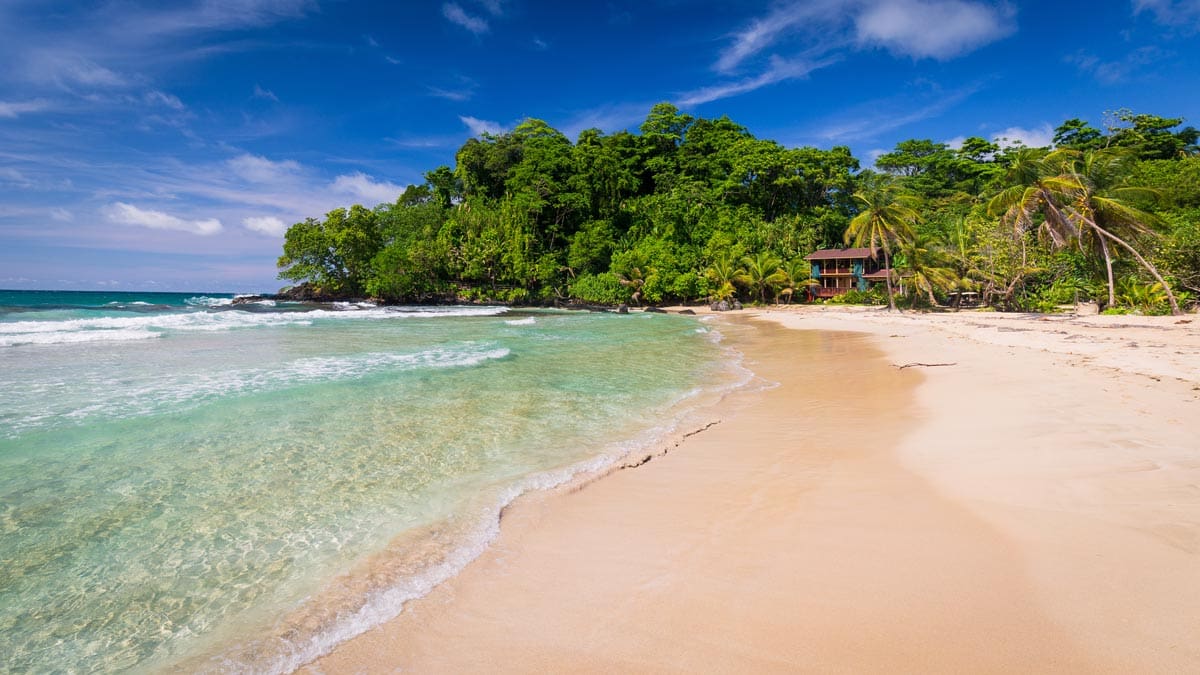
Panama has a tropical climate with two main seasons: the dry season, which runs from December to April, and the wet season, from May to November. The dry season is the best time to visit if you’re looking for clear skies and warm weather, especially if you plan to visit places like Bocas del Toro or the San Blas Islands. During the wet season, expect afternoon rain showers, which can be heavy but brief. Be sure to pack lightweight, breathable clothing, as well as rain gear if you’re traveling during the rainy season.
3. Stay Healthy: Vaccinations and Health Tips
Before traveling to Panama, it’s recommended to check with your doctor regarding vaccinations. For most travelers, routine vaccinations like hepatitis A and typhoid are recommended. If you plan to visit rural areas, particularly the Darien Gap or parts of the San Blas Islands, a yellow fever vaccination is advised. Panama has modern healthcare facilities in major cities, but it’s a good idea to carry basic medications, sunscreen, insect repellent, and a first aid kit, especially if you’re heading into remote areas or national parks.
4. Currency: The US Dollar
Panama uses the US dollar (USD) as its official currency, making it easy for travelers from the United States to manage expenses without needing currency exchange. Locally, the US dollar is often referred to as the balboa, but it’s the same currency. Credit cards are widely accepted in most cities, but it’s always a good idea to carry some cash, especially for small purchases, tips, and in rural areas. ATMs are readily available in urban centers, but check with your bank about international transaction fees.
5. Learn Basic Spanish Phrases
Spanish is the official language of Panama, and while English is spoken in many tourist areas, particularly in Panama City, it’s helpful to learn a few basic Spanish phrases. Being able to communicate simple phrases such as “Hola” (Hello), “Gracias” (Thank you), and “¿Cuánto cuesta?” (How much does it cost?) will enhance your experience, especially in rural areas where English may not be widely spoken. Carrying a translation app or a small phrasebook can also be handy during your travels.
6. Safety Tips for Traveling in Panama
Panama is generally a safe country for tourists, but as with any destination, it’s important to exercise common sense. In major cities like Panama City and Colón, be cautious of pickpockets in crowded areas and avoid displaying valuables like expensive jewelry or large amounts of cash. Stick to well-lit and populated areas at night, and use official taxis or rideshare services like Uber. If you’re exploring remote areas like the Darien Gap, always travel with a guide and follow local advice to ensure your safety.
7. Transportation in Panama
Panama has a variety of transportation options, depending on where you’re traveling. In Panama City, the metro system is a fast and affordable way to get around the city, while taxis and rideshare services like Uber are also widely available. Domestic flights are the quickest way to reach distant locations like the Bocas del Toro or David for exploring the highlands. Buses are commonly used for longer journeys between cities and rural areas. If you’re traveling to the San Blas Islands or the Pearl Islands, boats are the primary mode of transportation.
8. Exploring the Panama Canal
No trip to Panama is complete without visiting the iconic Panama Canal. The most popular way to experience this engineering marvel is by visiting the Miraflores Locks in Panama City, where you can watch massive ships pass through the canal’s lock system. The visitor center offers exhibits on the history and importance of the canal, and a viewing platform provides a close-up look at the operation. For a more immersive experience, you can also book a partial or full transit tour through the canal itself.
9. Tipping Etiquette in Panama
Tipping in Panama is generally expected in restaurants, where a 10% service charge is often included in the bill, but if it’s not, it’s customary to leave a 10% tip. In hotels, small tips for housekeeping and bellboys are appreciated. Tipping tour guides and drivers is also common, especially if they provide excellent service. Taxis typically do not require tipping, but you can round up the fare as a polite gesture.
10. Packing for Your Trip to Panama
What you pack for Panama will depend on the region and season. For the warm and tropical coastal areas like Bocas del Toro and the San Blas Islands, lightweight clothing, swimwear, sunscreen, and sunglasses are essential. If you’re visiting the highlands around Boquete or the Chiriquí Highlands, pack layers, as temperatures can be cooler, especially in the evenings. For jungle regions like the Darien Gap or rainforest tours near Gamboa, bring moisture-wicking clothing, insect repellent, and sturdy hiking shoes. Always pack a reusable water bottle to stay hydrated, and consider eco-friendly toiletries to minimize your environmental impact.