



Book Solo. Travel Together. Experience two fascinating Asian kingdoms on a journey combining the cultural energy of Bangkok, the spectacular Himalayan landscapes and traditions...
Book Solo. Travel Together. Discover two remarkable Himalayan countries on a journey combining the cultural treasures and natural beauty of Nepal with the peaceful...
Discover Bhutan
It is not common that a trip into a South Asian country can lead to a breathtaking snow trekking holiday, but it does so happen in Bhutan. Whether...
Reasons to Visit Bhutan
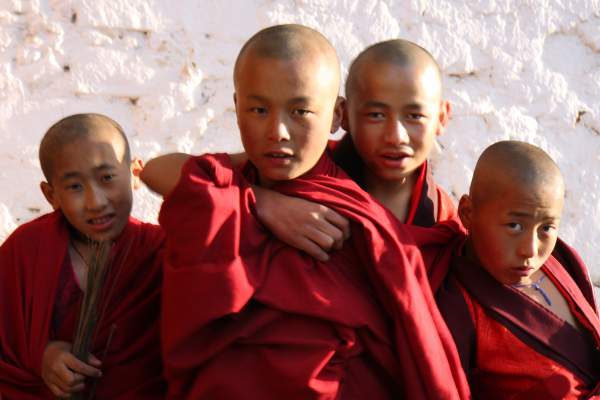
Buddhism
Buddhism in Bhutan is not a religion. Infact, it’s a way of...
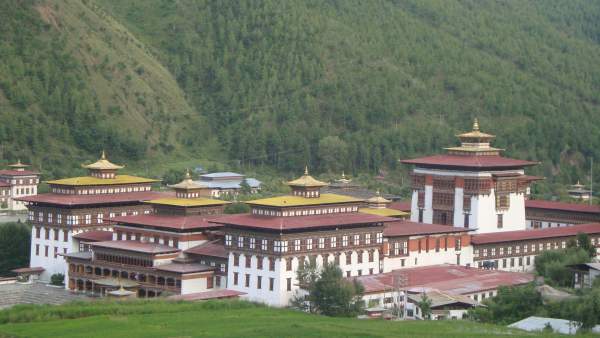
The Dzongs
Bhutan is a Buddhist country. You’ll find gorgeous Dzongs, as old as...
The People
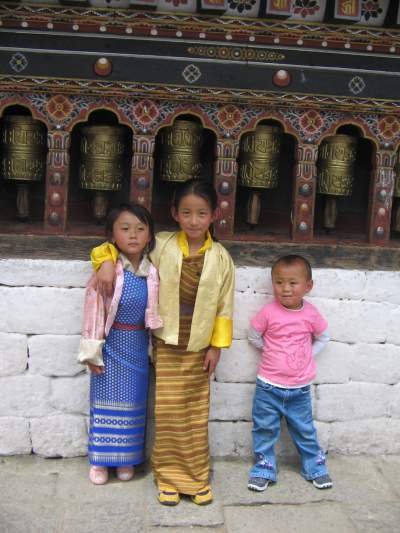
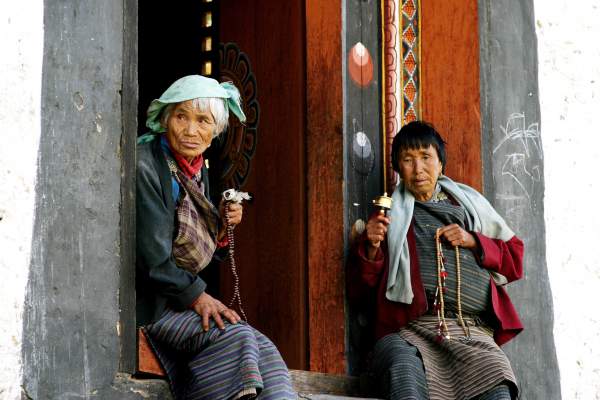
There is a reason why Bhutan is the happiest country in the...
Festivals
Infact, there’s really no better way to get under the skin of...
Tiger’s Nest
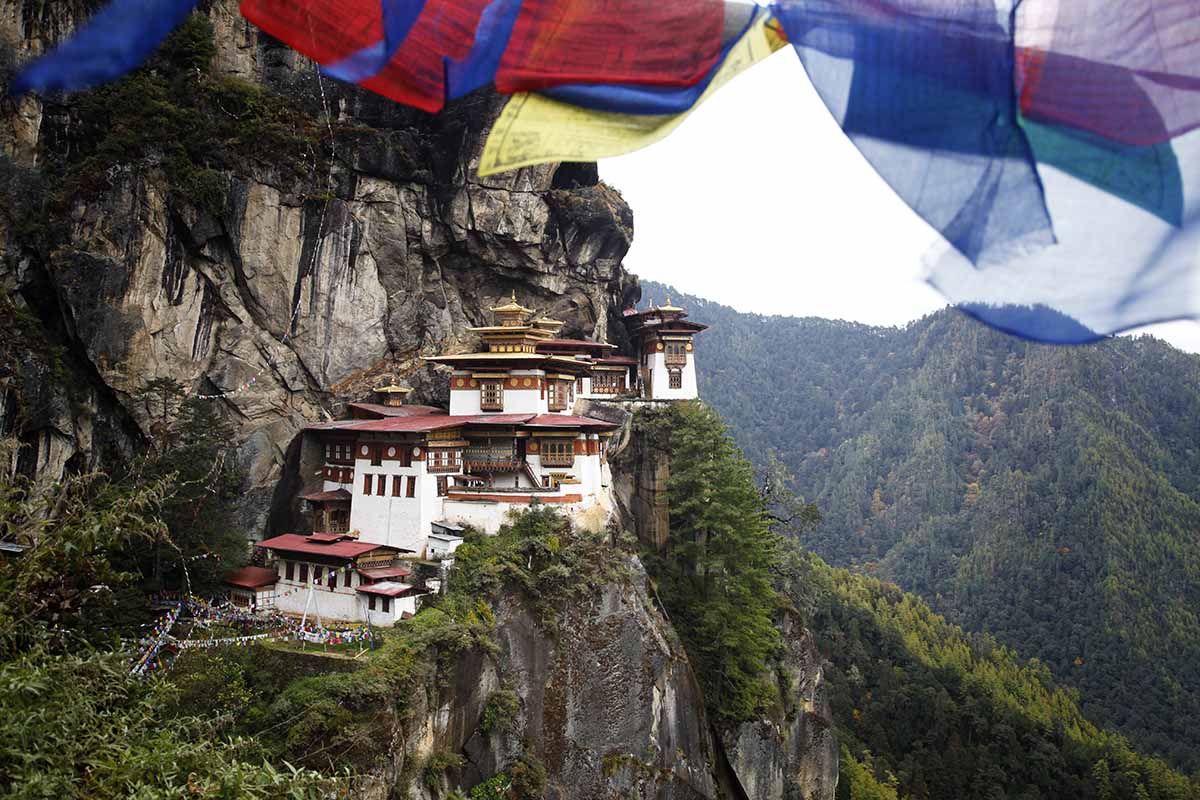
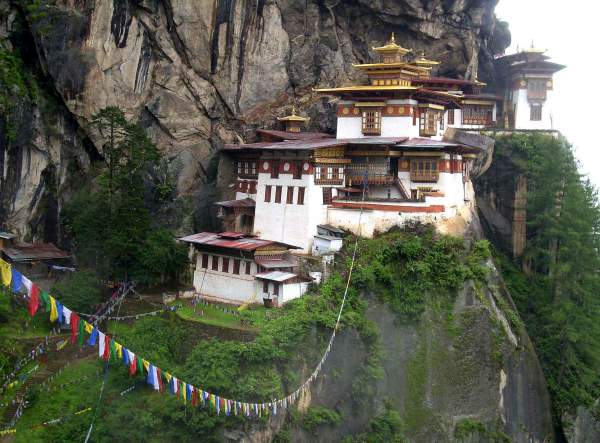
Taktsang known as “Tiger’s Nest” is one of the most important Buddhist...
Explore Bhutan
See where your journey could take you
Discover Bhutan: A Journey Through Rich Culture, Serene Nature, and Traditional Lifestyle Bhutan, the “Land of the Thunder Dragon,” is a unique travel destination known for its deep-rooted culture, breathtaking nature, and harmonious lifestyle. Nestled in the Eastern Himalayas, Bhutan is a place where ancient traditions thrive and natural landscapes are protected with care. For an immersive travel experience, Bhutan offers a blend of spiritual…
Discover Bhutan: A Journey Through Rich Culture, Serene Nature, and Traditional Lifestyle
Bhutan, the “Land of the Thunder Dragon,” is a unique travel destination known for its deep-rooted culture, breathtaking nature, and harmonious lifestyle. Nestled in the Eastern Himalayas, Bhutan is a place where ancient traditions thrive and natural landscapes are protected with care. For an immersive travel experience, Bhutan offers a blend of spiritual exploration, cultural discovery, and scenic beauty.
Cultural Heritage: The Heart and Soul of Bhutan
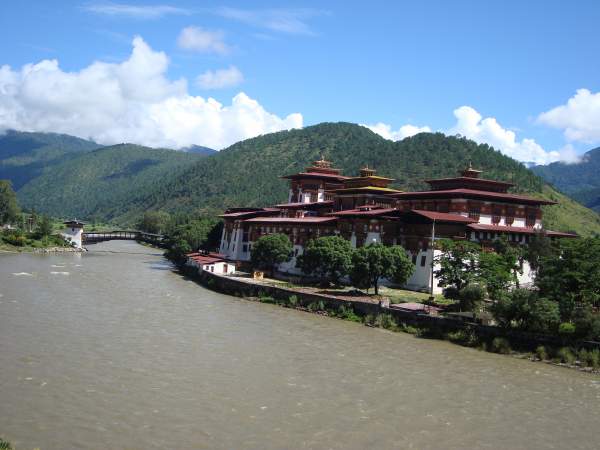
Bhutan’s cultural heritage is one of its most captivating aspects. The nation’s iconic Tiger’s Nest Monastery (Paro Taktsang) is perched dramatically on a cliff and is a symbol of Bhutan’s spiritual essence. This sacred site, along with many other monasteries and dzongs such as Punakha Dzong and Thimphu’s Tashichho Dzong, showcases Bhutanese architecture and devotion.
Traditional festivals known as tshechus are essential to Bhutanese life and provide travelers with a vibrant display of masked dances, music, and religious rituals. Attending a tshechu is an opportunity to witness the spiritual depth and joy that characterize Bhutanese celebrations.
The Lifestyle: Simple, Harmonious, and Centered on Well-Being
Bhutan’s lifestyle revolves around the concept of Gross National Happiness (GNH), emphasizing well-being over material wealth. The Bhutanese people lead simple lives that focus on community, spirituality, and respect for nature. In the capital, Thimphu, modern conveniences exist alongside traditional practices, offering a glimpse into how Bhutan balances progress with cultural preservation.
Rural life in Bhutan remains authentic, with traditional farming, weaving, and crafts forming the backbone of many communities. Visiting these villages allows travelers to experience the daily life of the Bhutanese, marked by warmth and hospitality.
Natural Beauty: The Pristine Wilderness of the Himalayas
Bhutan’s commitment to preserving its natural beauty is evident in its dense forests, high mountain peaks, and protected national parks. The country’s landscapes are home to the snow-capped Himalayas, picturesque valleys like Paro and Punakha, and the tranquil forests of Phobjikha Valley, known for the annual migration of the black-necked cranes.
Trekkers will find a paradise in Bhutan’s trails, such as the renowned Jomolhari Trek and the scenic Druk Path Trek, offering breathtaking views of the mountains and valleys. These journeys allow for encounters with diverse flora and fauna, highlighting Bhutan’s dedication to sustainable tourism and conservation.
Wildlife and Conservation
Bhutan’s pristine environment is home to unique wildlife, including the elusive snow leopard, the majestic Bengal tiger, and the rare red panda. The country’s commitment to conservation is exemplified by protected areas such as Jigme Dorji National Park and Royal Manas National Park, where eco-conscious travelers can explore and witness the rich biodiversity.
For birdwatchers, Bhutan is a haven with over 700 bird species, including the iconic black-necked crane, which can be seen in the Phobjikha Valley during the winter months. The careful balance Bhutan maintains between development and environmental conservation makes it a model for sustainable tourism.
Experience Bhutanese Cuisine: A Taste of Tradition
Bhutanese cuisine is simple yet flavorful, with a focus on fresh, locally sourced ingredients. The most famous dish is ema datshi, a spicy stew made with chili peppers and cheese, considered a national staple. Other popular dishes include phaksha paa (pork with chili and radish) and red rice, which is commonly served with meals.
Dining in Bhutan often involves sharing meals that emphasize the use of chili and cheese, adding a distinctive taste to traditional dishes. For a more immersive experience, travelers can visit local markets, participate in cooking classes, or enjoy home-cooked meals in a traditional Bhutanese house.
An immersive travel experience in Bhutan invites travelers to embrace the culture, cherish the untouched nature, and appreciate the serene lifestyle that defines this Himalayan kingdom. Whether exploring ancient monasteries, hiking through pristine forests, or enjoying the warm hospitality of the locals, Bhutan offers a journey that enriches the spirit and leaves a lasting impression.
Let Bhutan inspire you with its harmonious way of life and extraordinary beauty, creating memories that will last a lifetime.
Featured Places in Bhutan
Discover some of our most sought-after places, from timeless icons to hidden gems.
Suggested Itineraries in Bhutan
Carefully crafted itineraries for an unforgettable journey.
Solo Traveller: Kingdoms & Coastlines – Bangkok, Bhutan & Pattaya
Bhutan, Thailand
- Solo Traveller
Solo Traveller: Beautiful Bhutan – Mountains, Monasteries & Valleys
Bhutan
- Solo Traveller
Kingdoms & Coastlines: Bangkok, Bhutan & Pattaya Journey
Bhutan, Thailand
- Cultural Holidays

Bhutan Festival & Valley Circuit: Paro Tsechu, Thimphu, Punakha & Gangtey
Bhutan
- Cultural Holidays
Assam, Sikkim Darjeeling & Bhutan: Himalayas, Dzongs & Tea Gardens
India, Bhutan
- Cultural Holidays
- Private Tours
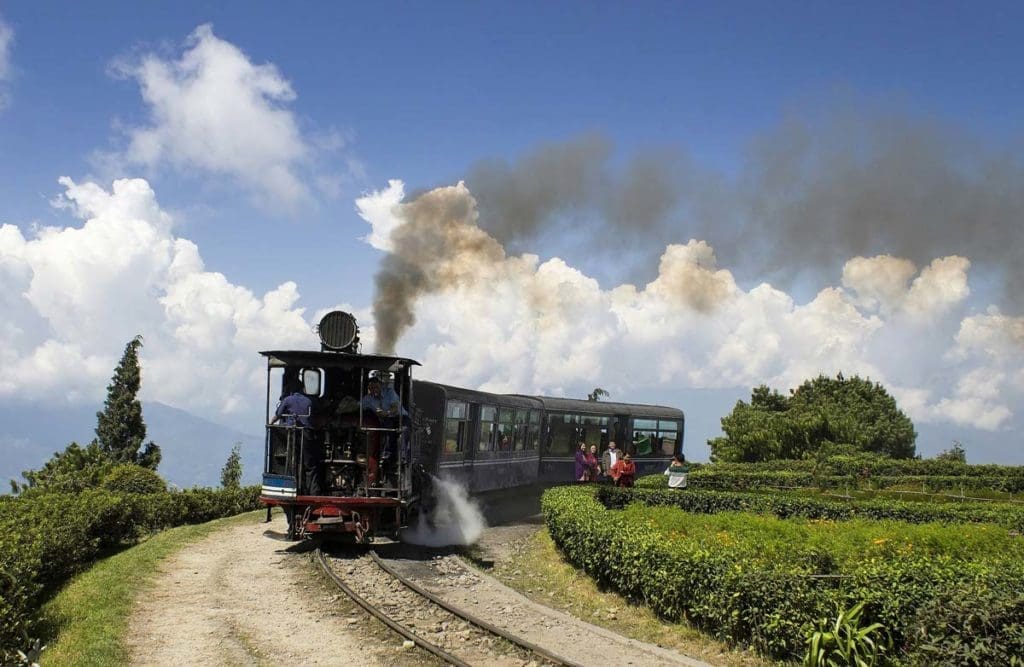
Himalayan Twin Journey: Bhutan & Darjeeling–Sikkim Discovery
India, Bhutan
- Lumle Luxury
- Private Tours
Bhutan in Depth: Valleys, Monasteries & Himalayan Spirit
Bhutan
- Lumle Luxury
- Private Tours
Beautiful Bhutan Discovery: Mountains, Monasteries, Valleys & Temples
Bhutan
- Cultural Holidays
- Small Group

Himalayan Adventure: Bhutan, Nepal, Monasteries, Mountains & Culture
Nepal, Bhutan
- Cultural Holidays
- Trekking Holidays
Druk Path Trek: Monasteries, Valleys, Mountains, Forests, Lakes, Temples & Meadows
Bhutan
- Cultural Holidays
- Trekking Holidays
Mystical India & Bhutan: Temples, Palaces, Villages, Monasteries & Himalayas
India, Bhutan
- Lumle Luxury
- Private Tours
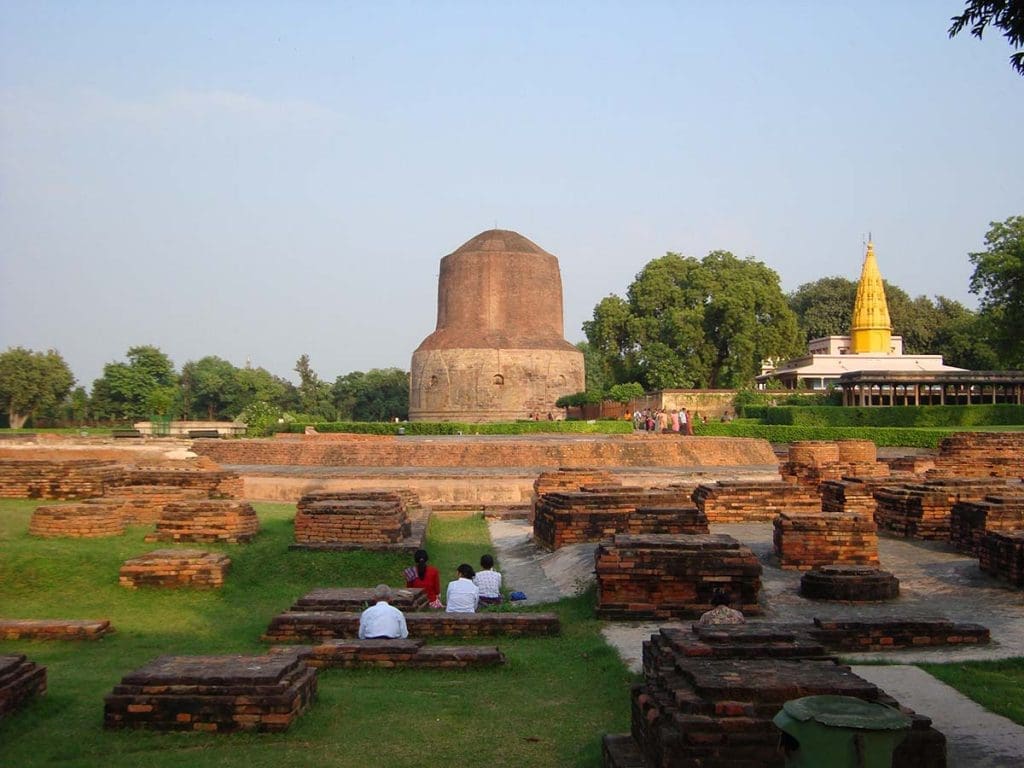
Buddha’s Legacy: Temples, Monasteries, Culture & Himalayan Landscapes
Nepal, India, Bhutan
- Lumle Luxury
- Cultural Holidays
Essential Bhutan Travel Guide
Everything you need to know to plan your perfect Bhutan adventure.


Bhutan Travel Information
Essential information for your Bhutan holiday. Content is tailored to your selected market.
Best time to visit
The best time to visit Bhutan is during spring (March to May) and autumn (September to November). These seasons offer pleasant weather, clear skies, and vibrant landscapes, making it ideal for sightseeing, exploring Bhutan's rich culture, and enjoying its natural beauty. Winter (December to February) can also be a good option for those looking for fewer tourists and clear views, though it can be cold. Summer (June to August), while rainy, offers lush scenery and a peaceful atmosphere, making it suitable for those who prefer a quieter cultural and nature-focused experience, despite the challenges of the rain.
Flight time
Approximately 16 hours to Paro, including layover, with one-stop flights via Delhi, Kolkata, or Kathmandu. No direct flights are available on this route.
Recommended airlines
One-stop options include Air India, Qatar Airways, and Cathay Pacific. Our packages include one-stop flights, with preferred airline options available at an extra cost.
Visa & entry requirements
US citizens require a tourist visa to enter Bhutan, which must be arranged through an approved Bhutanese tour operator. Entry requirements are subject to change, so travellers should check with the Bhutanese Embassy or official sources before departure. It is your responsibility to check and meet entry requirements before travel.
Time difference
GMT +6 hours (Bhutan is 11 hours ahead of New York during standard time and 10 hours ahead during daylight saving time)
Search our FAQs
What can we help you with today?
Bhutan Travel FAQs
Everything you need to know about planning and taking your journey.
Good to know before you go Bhutan
Before You Go: Essential Travel Tips for Bhutan Bhutan, the mystical kingdom in the Himalayas, offers a unique travel experience filled with stunning landscapes, vibrant culture, and deep spirituality. Before embarking on your journey to Bhutan, it’s essential to be well-prepared for this one-of-a-kind destination. From visa requirements to packing tips, here’s everything you need to know before you go. 1. Visa and Entry Requirements…
Before You Go: Essential Travel Tips for Bhutan
Bhutan, the mystical kingdom in the Himalayas, offers a unique travel experience filled with stunning landscapes, vibrant culture, and deep spirituality. Before embarking on your journey to Bhutan, it’s essential to be well-prepared for this one-of-a-kind destination. From visa requirements to packing tips, here’s everything you need to know before you go.
1. Visa and Entry Requirements
All foreign visitors (except for Indian, Bangladeshi, and Maldivian nationals) need a visa to enter Bhutan. The visa must be arranged through a licensed Bhutanese tour operator or one of their international partners. The visa process is straightforward and typically included in your tour package. Your visa will be issued upon arrival at Paro International Airport, but it must be pre-approved before your trip.
2. Daily Tourist Tariff
Bhutan follows a policy of “High Value, Low Impact” tourism, meaning visitors are required to pay a daily tariff, which includes accommodation, meals, a licensed guide, and transport within Bhutan. This policy ensures sustainable tourism while providing travelers with a comprehensive experience. The tariff also includes the Sustainable Development Fee (SDF), which helps preserve Bhutan’s culture and environment.
3. Health and Vaccinations
Before traveling to Bhutan, it’s important to check with your healthcare provider about recommended vaccinations. Routine vaccines such as MMR (measles, mumps, rubella), hepatitis A, hepatitis B, and typhoid are recommended. While there is no risk of yellow fever in Bhutan, travelers coming from a yellow fever risk country will need proof of vaccination. Make sure to bring any prescription medications you may need, as pharmacies can be limited in rural areas.
4. Travel Insurance
Comprehensive travel insurance is essential when visiting Bhutan. Ensure your insurance covers medical emergencies, evacuations, trip cancellations, and lost luggage. While Bhutan’s healthcare system is generally good, medical facilities in rural areas can be basic, so it’s crucial to have coverage for any unexpected issues.
5. Currency and Money Matters
The official currency of Bhutan is the Bhutanese Ngultrum (BTN), which is pegged to the Indian Rupee (INR). Indian Rupees (except ₹500 and ₹2000 notes) are widely accepted in Bhutan. It’s a good idea to carry cash, especially when traveling to remote areas, as ATMs can be scarce, and credit cards are not always accepted outside of major hotels and cities. Ensure you exchange some money upon arrival, or use ATMs in major cities like Thimphu and Paro.
6. Best Time to Visit Bhutan
Bhutan is a year-round destination, but the best time to visit depends on your interests. The most popular seasons are spring (March to May) and autumn (September to November), offering pleasant weather, clear skies, and vibrant festivals. These seasons are ideal for trekking and cultural exploration. Winter (December to February) is great for avoiding crowds, and offers stunning views of snow-capped mountains, while summer (June to August) brings monsoon rains, making it a quieter, greener time to visit.
7. Packing Essentials
Packing for Bhutan requires a mix of layers to account for varying temperatures and activities. Here are some essentials:
- Layered clothing: The weather can be unpredictable, especially in higher altitudes, so pack layers to stay comfortable.
- Comfortable shoes: If you plan to trek or hike to monasteries like Paro Taktsang (Tiger’s Nest), sturdy walking shoes are essential.
- Warm clothing: Even in the warmer months, the mornings and evenings can be chilly in the mountains.
- Rain gear: If you’re visiting during the summer, a waterproof jacket and umbrella are necessary.
- Sunscreen and hat: The sun can be strong, especially at higher altitudes, so pack sunscreen, sunglasses, and a hat to protect yourself.
8. Language and Communication
The official language of Bhutan is Dzongkha, but English is widely spoken, particularly in tourist areas, hotels, and by your guides. English is also the medium of instruction in schools, making it easy for travelers to communicate with locals. While it’s not necessary to learn Dzongkha, knowing a few basic phrases, such as “Kuzu zangpo la” (Hello), can enrich your travel experience.
9. Transportation in Bhutan
Transportation in Bhutan is typically arranged by your tour operator and is included in your daily tariff. Most travel is done by car, as Bhutan’s rugged terrain means that road travel can be slow but scenic. There are no internal flights between cities, but you’ll often travel by road through stunning mountain passes like Dochula Pass, which offers panoramic views of the Himalayas.
10. Cultural Etiquette
Bhutanese culture is deeply respectful and spiritual, so it’s important to be mindful of local customs:
- Dress modestly: When visiting temples, monasteries, and dzongs, ensure your shoulders and knees are covered.
- Remove shoes: Always remove your shoes before entering religious buildings or homes.
- Respect religious sites: Avoid touching sacred objects and always walk clockwise around religious monuments like stupas and prayer wheels.
- No public displays of affection: Bhutan is a conservative society, so it’s best to avoid public displays of affection.
11. Food and Water Safety
Bhutanese cuisine is heavily influenced by the country’s natural resources, with dishes like ema datshi (chilies and cheese) being staples. The food is often spicy but delicious. Be cautious when drinking water—it’s recommended to drink bottled or boiled water throughout your trip. Most hotels and restaurants provide safe drinking water, but it’s a good idea to avoid ice unless you’re sure it’s made from purified water.
Bhutan is a land of unmatched beauty, spirituality, and adventure. By preparing with these essential travel tips, you can ensure a smooth, enriching, and unforgettable journey through this magical Himalayan kingdom.
Ready to experience Bhutan?
Explore our carefully planned Bhutan holidays or speak to us about creating a journey tailored around you.
Need some help? Call 1-888-214-4856
Start Planning Your Bhutan Journey
Our travel specialists have explored every corner of Bhutan. Speak with us today to customize your perfect adventure.

