1-888-214-4856
Mon-Fri 10:00AM - 05:00PM
Join Lumle More
More from every journey
Complete the form below and our travel specialists will be in touch shortly with availability, prices and any questions you may have.

Whether you’re visiting the United States for the first time or you’re a seasoned traveler, having the right information can make your journey smoother. Here are the most frequently asked questions about traveling to the U.S., covering everything from visas and tipping to transportation and safety.
Travelers from many countries need a visa or an Electronic System for Travel Authorization (ESTA) to enter the United States. Citizens of countries under the Visa Waiver Program (VWP), including the UK, Japan, and most EU nations, can apply for an ESTA online, which allows stays of up to 90 days for tourism or business purposes. For travelers from other countries, a visa application is required through the U.S. embassy or consulate in your country. Be sure to check the latest entry requirements based on your nationality.
The official currency in the United States is the U.S. Dollar (USD). Credit and debit cards are widely accepted, including in most hotels, restaurants, and shops. ATMs are plentiful in cities and towns, and many international cards work across the country. It’s a good idea to carry some cash for smaller businesses or in rural areas where card payment may not be as common.
The best time to visit the United States depends on what you want to experience. Summer (June to August) is great for exploring national parks, beaches, and vibrant cities, though it can be crowded and hot in many regions. Fall (September to November) is ideal for milder temperatures and seeing the famous fall foliage, particularly in the northeast. Winter (December to February) is perfect for skiing in the Rockies or visiting warm-weather destinations like Florida and California. Spring (March to May) offers pleasant weather for outdoor activities and sightseeing, with blooming flowers and fewer crowds.
The primary language spoken in the United States is English, though you will find Spanish widely spoken in many regions, particularly in the southwest and Florida. Other languages, such as Mandarin, Tagalog, and Vietnamese, are also spoken due to the country’s diverse population. In major cities and tourist areas, English is the primary language used for services, signs, and communication.
The United States is generally considered safe for tourists, though it’s important to take standard precautions. In larger cities, be mindful of your surroundings and avoid isolated areas, especially at night. Use licensed taxis, ride-sharing apps, or public transportation for safer travel within cities. In national parks and wilderness areas, follow safety guidelines for wildlife and outdoor activities. It’s also a good idea to have travel insurance that covers medical emergencies, especially if you’re planning to visit remote regions.
What you pack will depend on the time of year and the regions you’re visiting. For summer, bring lightweight clothing, comfortable shoes, sun protection, and swimwear if you’re heading to beaches or national parks. In winter, particularly if visiting northern or mountain regions, pack warm layers, a heavy coat, gloves, and insulated shoes. A power adapter for U.S. outlets (110V) is essential for international travelers. Year-round, comfortable shoes are recommended for exploring cities and outdoor areas.
The United States is vast, and getting around often requires long-distance travel. Domestic flights are the quickest way to travel between major cities and regions, with airlines like American Airlines, Delta, and Southwest offering frequent routes. If you’re planning to explore one area, renting a car is a great option, especially for visiting national parks or taking road trips. In cities like New York, San Francisco, and Washington, D.C., public transportation systems are reliable and widely used. Ride-sharing services like Uber and Lyft are also available in most urban areas.
Yes, it’s highly recommended to have travel insurance when visiting the United States, as healthcare can be very expensive without coverage. Make sure your insurance covers medical emergencies, trip cancellations, lost luggage, and any specific activities you plan to do, such as skiing or hiking. It’s also worth checking if your credit card offers any travel insurance benefits, though purchasing a comprehensive policy is usually advisable.
Most international visitors can drive in the United States with their valid home country driver’s license for up to 12 months, depending on the state. However, some states require an International Driving Permit (IDP), which translates your license into English and is a good idea to carry, especially if your license is in a language other than English. Be sure to check the specific requirements of the states you plan to visit before you travel.
Tipping is customary in the United States, particularly in the service industry. In restaurants, it’s typical to tip 15-20% of the total bill before taxes. For taxis, a tip of 10-15% of the fare is standard. At hotels, tipping bellhops $1 to $5 per bag and housekeeping $1 to $3 per night is appreciated. In bars, a $1 to $2 tip per drink is customary. Tipping is also expected for services like hairdressers, tour guides, and valet parking.
These America travel FAQs provide essential information to help you plan your trip and navigate the United States. From visa requirements and packing tips to safety advice and tipping etiquette, being prepared will ensure a smooth and enjoyable travel experience in America.
What can we help you with today?
Got questions about traveling here? We've got answers.

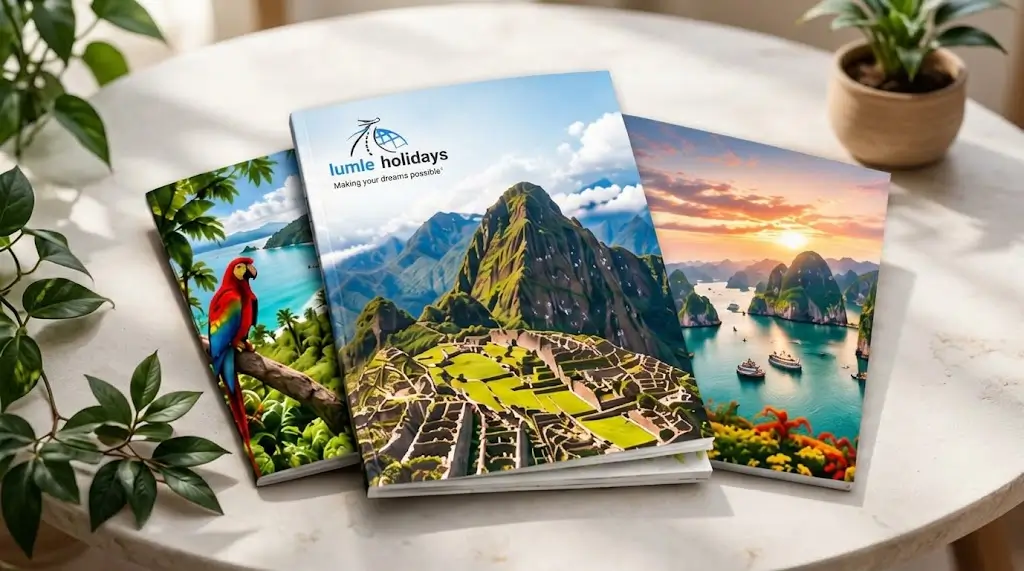
Get inspired with our latest travel brochures featuring our most popular tours and destinations.
We're here to help.
Speak directly to our America travel specialists for tailored itineraries, advice, and booking enquiries.

Enter your email to get the Nepal Highlights: Heritage, Himalayas, Wildlife & Timeless Traditions PDF right into your inbox.

Access to our private collection and exclusive £200 savings is reserved for Lumle Travel Club members. Enter your member password below to proceed.
Membership to Lumle More is completely free, with no seconds to receive your secret member password, exclusive journey departures, and an instant £200 welcome voucher.
Membership is subject to the Lumle More Terms & Conditions.