1-888-214-4856
Mon-Fri 10:00AM - 05:00PM
Join Lumle More
More from every journey
Complete the form below and our travel specialists will be in touch shortly with availability, prices and any questions you may have.
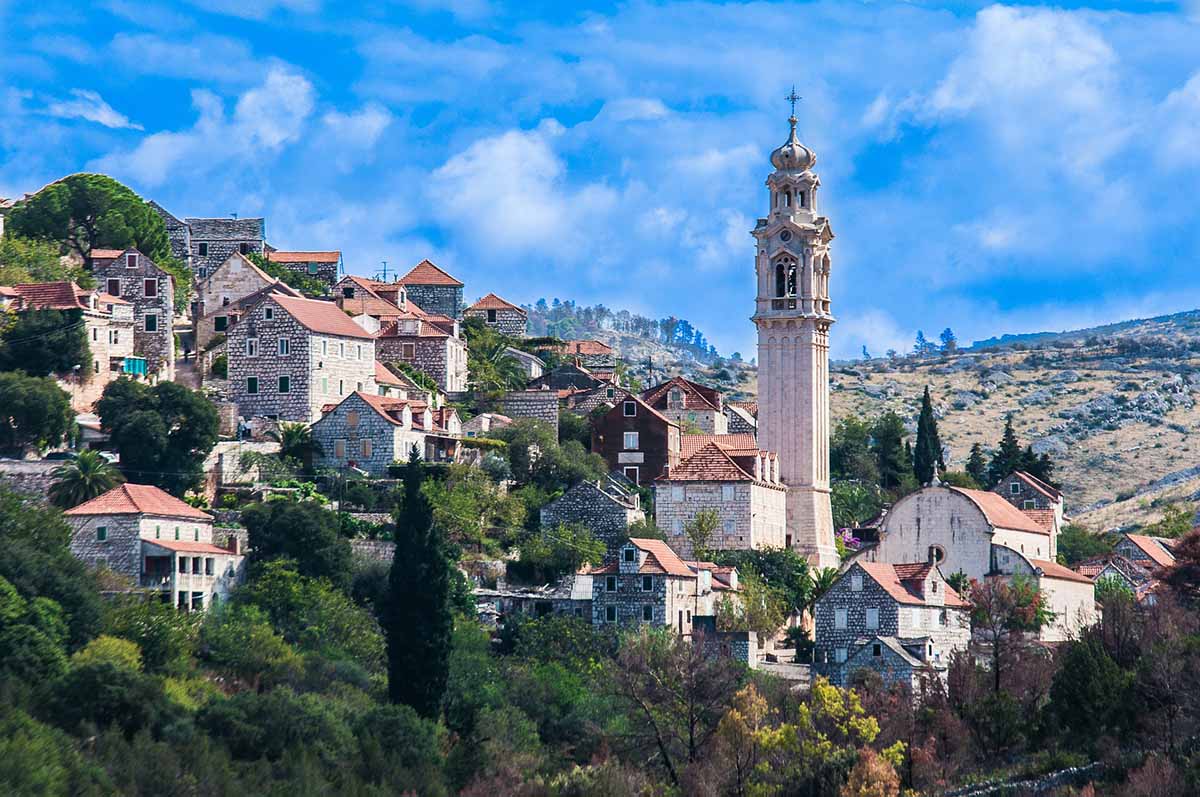
Planning a trip to Croatia? Whether you’re visiting the ancient city walls of Dubrovnik, enjoying the beaches of Hvar, or exploring Plitvice Lakes National Park, it’s important to be prepared. Here are some of the most common Croatia travel FAQs to help you plan a smooth and enjoyable trip.
Croatia is part of the European Union (EU), but not yet part of the Schengen Area. Citizens of the EU and many other countries, including the US, Canada, Australia, and New Zealand, do not need a visa for stays of up to 90 days. For visitors from other countries, visa requirements may apply, so it’s important to check with the Croatian Embassy or Consulate before traveling. Make sure your passport is valid for at least three months beyond your planned departure date.
The official currency of Croatia is the Kuna (HRK). While many tourist areas, especially in major cities and along the coast, may accept euros, it’s recommended to use kuna for all transactions. Credit and debit cards are widely accepted in cities, but it’s a good idea to carry some cash, especially if you plan to visit smaller towns or rural areas. ATMs are readily available in most places.
The official language of Croatia is Croatian. However, English is widely spoken in tourist areas, particularly in larger cities like Dubrovnik, Split, and Zagreb. In more rural regions, fewer people may speak English, so learning a few basic Croatian phrases such as “Hvala” (thank you) and “Dobar dan” (good day) can be helpful and appreciated by locals.
The best time to visit Croatia depends on what you want to experience. The summer months of June through August are the most popular for beach holidays, with warm weather and plenty of sunshine. Spring (April to May) and autumn (September to October) offer mild temperatures and fewer crowds, making these seasons ideal for sightseeing and exploring Croatia’s national parks. Winter (November to March) is the off-season, with cooler weather but perfect for experiencing Croatia’s cultural and historical sights without the summer crowds.
Croatia has a well-developed transportation system, making it easy to get around. Buses are the most common and cost-effective way to travel between cities, with regular services connecting major destinations. Trains are available but are not as extensive as the bus network. For coastal trips and island hopping, ferries operate between the mainland and popular islands like Hvar, Korčula, and Brač. Renting a car is a great option for those wanting to explore more remote regions or travel at their own pace.
Yes, Croatia is considered a very safe destination for tourists. The crime rate is low, and violent crime is rare. However, as in any popular tourist destination, it’s important to be cautious of pickpockets, particularly in crowded areas such as Dubrovnik’s Old Town and on public transportation. Always keep your valuables secure, and avoid leaving personal belongings unattended. Overall, Croatia is a safe and welcoming country for travelers.
Yes, you can use your mobile phone in Croatia, but it’s important to check with your service provider about international roaming charges before your trip. EU travelers benefit from the “Roam Like at Home” initiative, meaning they can use their phones in Croatia without extra roaming fees. Alternatively, you can purchase a local SIM card upon arrival, which is a cost-effective option for staying connected. Wi-Fi is widely available in hotels, cafés, and restaurants.
Packing for Croatia depends on the time of year you’re visiting. In summer, pack lightweight clothing, swimwear, sunscreen, and comfortable shoes for walking around cities and exploring the coast. If visiting in spring or autumn, bring layers and a light jacket for cooler mornings and evenings. For those planning on hiking or exploring Croatia’s national parks, comfortable hiking shoes and waterproof clothing are essential. Don’t forget your camera for capturing Croatia’s stunning landscapes!
Tipping is appreciated in Croatia but not mandatory. In restaurants, it’s common to leave a tip of around 10% if the service was good. For small purchases, such as coffee or drinks, rounding up the bill is a polite gesture. Tipping is also appreciated for taxi drivers, hotel staff, and tour guides, but the amount is typically smaller than in other countries.
While travel insurance is not required to enter Croatia, it’s highly recommended. Travel insurance can cover unexpected events such as medical emergencies, lost luggage, flight cancellations, and trip interruptions. Given Croatia’s diverse landscape, including its beaches, national parks, and hiking trails, having insurance that covers medical and travel-related issues is a smart choice for peace of mind.
These Croatia travel FAQs should help you prepare for an unforgettable trip. Whether you’re visiting Croatia’s ancient cities, stunning islands, or national parks, knowing the essentials will ensure a smooth and enjoyable travel experience.
What can we help you with today?
Got questions about traveling here? We've got answers.

Get inspired with our latest travel brochures featuring our most popular tours and destinations.

We're here to help.
Speak directly to our Croatia travel specialists for tailored itineraries, advice, and booking enquiries.
Extra Ordinary Journeys. Exceptional prices

Croatia

Enter your email to get the Nepal Highlights: Heritage, Himalayas, Wildlife & Timeless Traditions PDF right into your inbox.

Access to our private collection and exclusive £200 savings is reserved for Lumle Travel Club members. Enter your member password below to proceed.
Membership to Lumle More is completely free, with no seconds to receive your secret member password, exclusive journey departures, and an instant £200 welcome voucher.
Membership is subject to the Lumle More Terms & Conditions.