1-888-214-4856
Mon-Fri 10:00AM - 05:00PM
Join Lumle More
More from every journey
Complete the form below and our travel specialists will be in touch shortly with availability, prices and any questions you may have.

Planning a trip to Spain? Below are some of the most frequently asked questions about traveling to Spain, covering everything from visa requirements and transportation to local customs and the best times to visit. Whether you’re a first-time visitor or a seasoned traveler, these FAQs will help you plan a smooth and enjoyable trip to Spain.
1. Do I need a visa to visit Spain?
Spain is part of the Schengen Area, which allows visa-free travel for up to 90 days for citizens of many countries, including EU member states, the USA, Canada, Australia, and New Zealand. If you’re a citizen of a country that requires a visa for the Schengen Area, you’ll need to apply for a Schengen Visa before your trip. Make sure your passport is valid for at least three months beyond your intended departure date from Spain. Check with your local embassy or consulate for specific visa requirements based on your nationality.
2. What is the best time to visit Spain?
The best time to visit Spain depends on the type of experience you’re looking for. For pleasant weather and fewer crowds, spring (March to May) and autumn (September to November) are ideal, especially for sightseeing in cities like Madrid, Barcelona, and Seville. Summer (June to August) is perfect for beach vacations along the Costa del Sol, Costa Brava, and the Balearic Islands, though it can get quite hot in southern Spain. Winter (December to February) is great for visiting cities without the tourist rush and for skiing in the Pyrenees or Sierra Nevada.
3. What currency is used in Spain?
Spain uses the Euro (€) as its official currency. ATMs are widely available in cities and towns, and credit and debit cards are accepted in most places, especially in tourist areas. However, it’s always a good idea to carry some cash, especially in smaller towns or rural areas where card payments might not be as common. Currency exchange offices are available at airports and in city centers, but withdrawing money from an ATM usually offers better exchange rates.
4. What language is spoken in Spain?
The official language of Spain is Spanish (Castellano), but several regions have co-official languages, including Catalan (in Catalonia), Galician (in Galicia), and Basque (in the Basque Country). English is widely spoken in tourist areas, especially in hotels, restaurants, and major attractions. However, learning a few basic Spanish phrases like “Hola” (Hello), “Gracias” (Thank you), and “Por favor” (Please) is always appreciated and can enhance your experience, particularly in smaller towns and rural areas where English might be less common.
5. Is Spain a safe country to visit?
Spain is considered a very safe country for travelers, with low levels of violent crime. However, petty crimes like pickpocketing can occur in crowded areas such as train stations, metro stations, and popular tourist attractions like La Rambla in Barcelona or Puerta del Sol in Madrid. Be mindful of your belongings, use anti-theft bags, and avoid leaving valuables unattended. In general, Spain’s major cities and tourist areas are safe and welcoming to visitors.
6. How do I get around Spain?
Spain has an excellent public transportation network that makes getting around the country convenient and affordable. High-speed trains like the AVE connect major cities such as Madrid, Barcelona, Seville, and Valencia, making it easy to travel between them in a matter of hours. In cities, you can rely on metro systems, buses, and trams to get around. If you’re exploring rural areas or smaller towns, renting a car is a good option, though parking in city centers can be challenging. Spain also has extensive domestic flight routes for quicker travel between regions, especially to the islands (Balearic or Canary Islands).
7. What are the must-see attractions in Spain?
Spain is filled with world-class attractions and historic landmarks. In Barcelona, visit La Sagrada Família and Park Güell, both designed by Antoni Gaudí. In Madrid, don’t miss the Prado Museum and the Royal Palace. The stunning Alhambra in Granada and the Mezquita in Córdoba showcase Spain’s Moorish heritage. The Guggenheim Museum in Bilbao is a modern architectural wonder, and for beach lovers, the Costa del Sol and the Balearic Islands are not to be missed.
8. Is tipping customary in Spain?
Tipping is not as widespread in Spain as it is in countries like the United States, but it is appreciated for good service. In restaurants, it’s common to round up the bill or leave a small tip (5–10%) if service was good. In taxis, rounding up the fare is also standard practice. Tipping is less common in bars, but if you receive excellent service, leaving a small amount (around €1–€2) is appreciated.
9. What should I pack for my trip to Spain?
What you pack depends on the season and where you plan to travel in Spain. For summer trips, lightweight clothing, sunscreen, a hat, and sunglasses are essential, especially if you’re spending time on the beaches or exploring cities like Seville or Madrid, where it can get hot. In the spring and autumn, it’s best to pack layers as temperatures can vary, especially in northern Spain. In winter, if you plan to visit the Pyrenees or Sierra Nevada for skiing, be sure to bring warm clothing, gloves, and a waterproof jacket.
10. Can I drink the tap water in Spain?
Yes, the tap water in Spain is generally safe to drink, and in many cities, such as Madrid and Barcelona, the tap water is of high quality. If you’re in rural areas or more remote locations, it’s always a good idea to check with locals, but bottled water is widely available if preferred. Drinking water fountains are also commonly found in parks and public spaces.
11. Do I need travel insurance for Spain?
While travel insurance is not required to enter Spain, it’s highly recommended. Travel insurance can provide coverage for medical emergencies, trip cancellations, lost luggage, and more. Spain has excellent healthcare, but having insurance will ensure you won’t face unexpected medical expenses. It’s especially important if you plan on engaging in adventurous activities like skiing, hiking, or watersports.
12. What is the best way to exchange currency in Spain?
The most convenient and often the best way to exchange currency is by withdrawing cash from an ATM using your debit or credit card. ATMs are widely available throughout Spain, and the exchange rates are usually better than those at currency exchange offices. Just be sure to notify your bank before you travel to avoid any issues with international transactions. Currency exchange offices are also available at airports, train stations, and in city centers, though they may offer less favorable rates.
13. Do I need an adapter for Spain’s electrical outlets?
Spain uses a standard voltage of 230V and the European plug type C (two round pins). If you’re coming from the UK, USA, or another country that uses a different plug type or voltage, you’ll need an adapter to charge your devices. Universal adapters are widely available and are a good investment for frequent travelers.
By keeping these FAQs in mind, you’ll be well-prepared for your trip to Spain. From exploring world-class art and historic landmarks to enjoying local tapas and stunning beaches, Spain promises an unforgettable travel experience for every type of visitor.
What can we help you with today?
Got questions about traveling here? We've got answers.

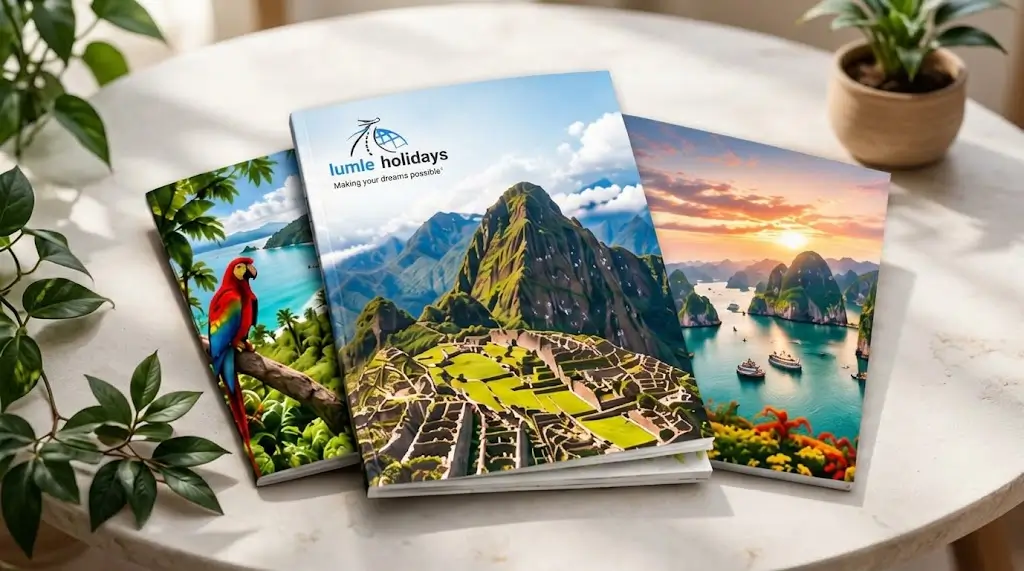
Get inspired with our latest travel brochures featuring our most popular tours and destinations.
We're here to help.
Speak directly to our Spain travel specialists for tailored itineraries, advice, and booking enquiries.

Enter your email to get the Nepal Highlights: Heritage, Himalayas, Wildlife & Timeless Traditions PDF right into your inbox.

Access to our private collection and exclusive £200 savings is reserved for Lumle Travel Club members. Enter your member password below to proceed.
Membership to Lumle More is completely free, with no seconds to receive your secret member password, exclusive journey departures, and an instant £200 welcome voucher.
Membership is subject to the Lumle More Terms & Conditions.