1-888-214-4856
Mon-Fri 10:00AM - 05:00PM
Join Lumle More
More from every journey
Complete the form below and our travel specialists will be in touch shortly with availability, prices and any questions you may have.
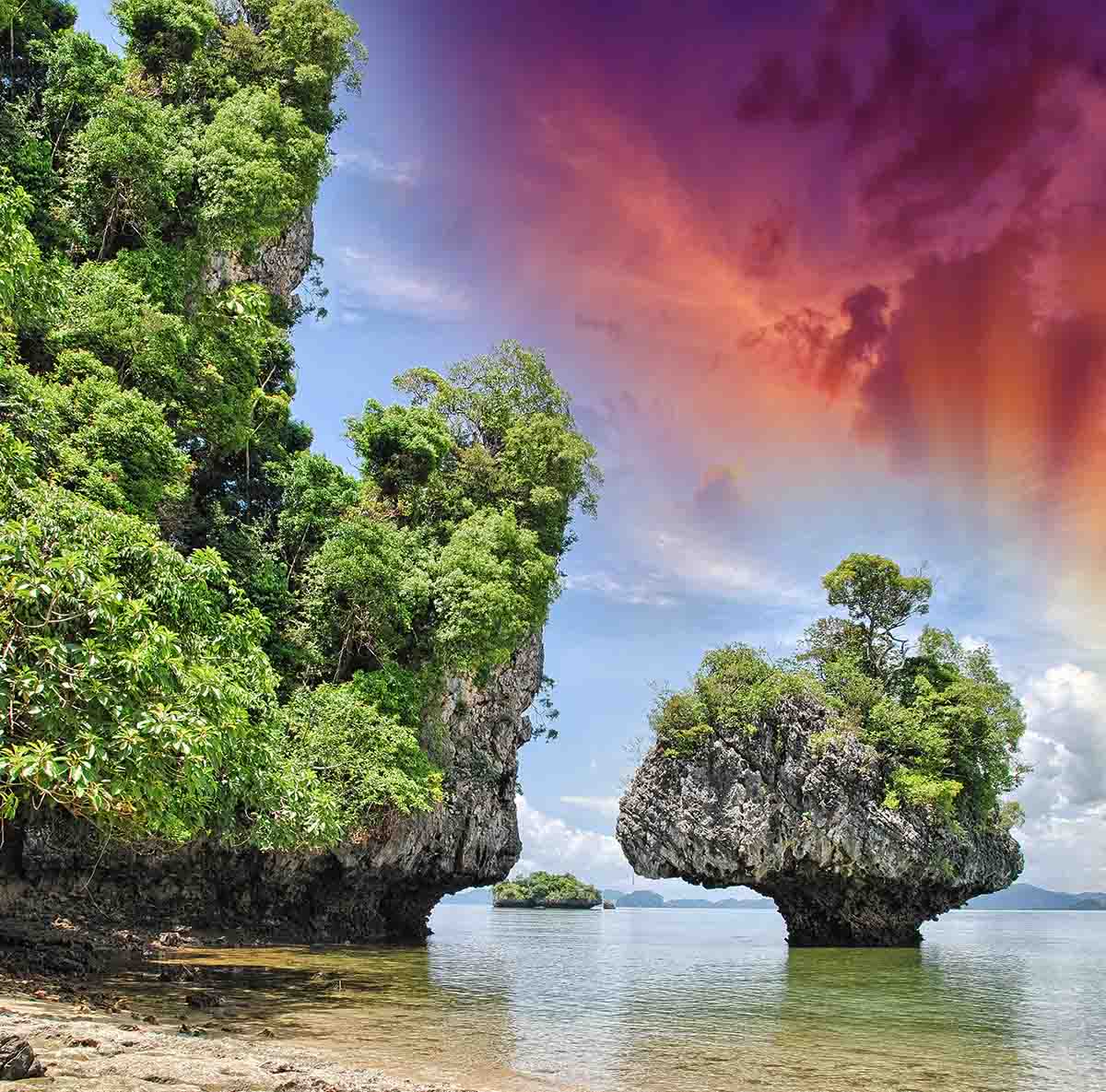
Planning a trip to Thailand? Whether it’s your first visit or you’re returning for another adventure, it’s helpful to have the right information at hand. Here are some of the most frequently asked questions about traveling to Thailand to help you prepare for a smooth and enjoyable journey.
Visitors from many countries, including the UK, USA, Canada, Australia, and most European countries, do not need a visa for stays of up to 30 days if entering Thailand for tourism purposes. However, if you plan to stay longer or visit for business, you may need to apply for a visa. Be sure to check Thailand’s visa requirements based on your nationality before you travel.
The best time to visit Thailand depends on the type of activities you plan to do. The cool season (November to February) is considered the ideal time to visit, with pleasant weather perfect for sightseeing and beach vacations. The hot season (March to May) is great for island hopping, while the rainy season (June to October) offers fewer crowds and lush green landscapes, though occasional heavy rains can be expected.
Thailand uses the Thai Baht (THB) as its currency. ATMs are widely available in cities and tourist areas, and credit/debit cards are accepted in most hotels, restaurants, and shopping centers. It’s advisable to carry some cash when visiting rural areas or smaller vendors, as card payments may not always be accepted.
Thailand is generally a safe destination for tourists. However, like in any country, it’s important to take standard safety precautions. Keep an eye on your belongings in crowded areas, avoid isolated places at night, and be cautious of scams. In tourist-heavy areas, it’s also a good idea to use trusted transportation options like licensed taxis, Grab (a popular ride-hailing app), or hotel-arranged transportation.
The official language of Thailand is Thai. English is widely spoken in tourist areas, hotels, and restaurants, but it may be less common in rural areas. Learning a few basic Thai phrases, such as “Sawasdee” (hello) and “Kop Khun” (thank you), is appreciated and can enhance your travel experience.
Thailand’s warm climate calls for lightweight, breathable clothing. For temple visits, modest dress is required, meaning you should cover your shoulders and knees. Comfortable walking shoes, a hat, sunscreen, insect repellent, and a reusable water bottle are essential items. If you’re visiting during the rainy season, pack a light rain jacket or umbrella.
Yes, it’s highly recommended to have travel insurance when visiting Thailand. Medical care is generally of high quality in Thailand, but costs can add up for travelers. Ensure your insurance covers medical emergencies, accidents, trip cancellations, and adventure activities like snorkeling, diving, or trekking, if you plan to participate in those.
Thailand has a variety of transportation options. In cities like Bangkok, you can use the BTS Skytrain, MRT subway, or tuk-tuks for short rides. Grab (similar to Uber) is also a convenient way to get around. For intercity travel, Thailand’s extensive bus and train networks are reliable and affordable. Domestic flights are also popular for traveling between major cities and islands.
Thailand has a rich culture, and respecting local customs is important. Always greet people with a wai (a slight bow with your palms together) rather than a handshake. When visiting temples, dress modestly and remove your shoes before entering. Avoid touching someone’s head or pointing your feet at people or religious objects, as these are considered disrespectful in Thai culture.
Tipping in Thailand is not expected but appreciated for good service. In restaurants, it’s common to leave a small tip or round up the bill, especially in more upscale establishments. For taxis, rounding up the fare is acceptable. Tipping hotel staff, tour guides, and massage therapists is appreciated, but there’s no set rule on how much to tip.
It’s recommended to avoid drinking tap water in Thailand. Stick to bottled water, which is widely available and inexpensive. Many hotels and restaurants also provide complimentary bottled water for guests. Be cautious with ice, though it’s generally safe in restaurants and cafes that cater to tourists.
Thailand is known for its colorful festivals, and timing your trip around one of these events can enhance your experience. The Songkran Festival (Thai New Year) in April is a nationwide water fight that brings communities together in celebration. The Loy Krathong Festival (Festival of Lights) in November is another magical event, where people release floating lanterns and krathongs (decorative baskets) into rivers and lakes to honor the water spirits.
These Thailand travel FAQs cover essential tips and information to help you prepare for your trip. Whether it’s visa requirements, safety tips, or cultural etiquette, understanding these key aspects will ensure a smooth and enjoyable visit to the Land of Smiles.
What can we help you with today?
Got questions about traveling here? We've got answers.

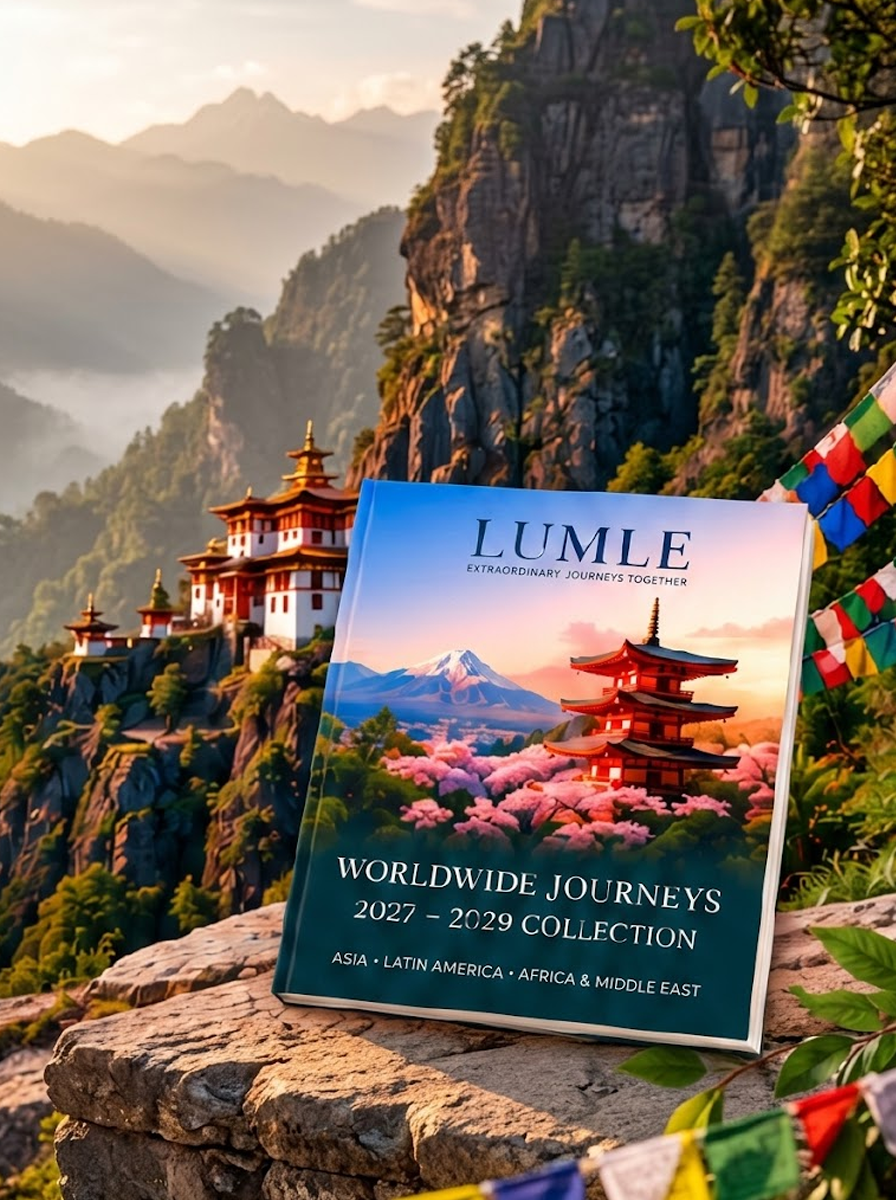
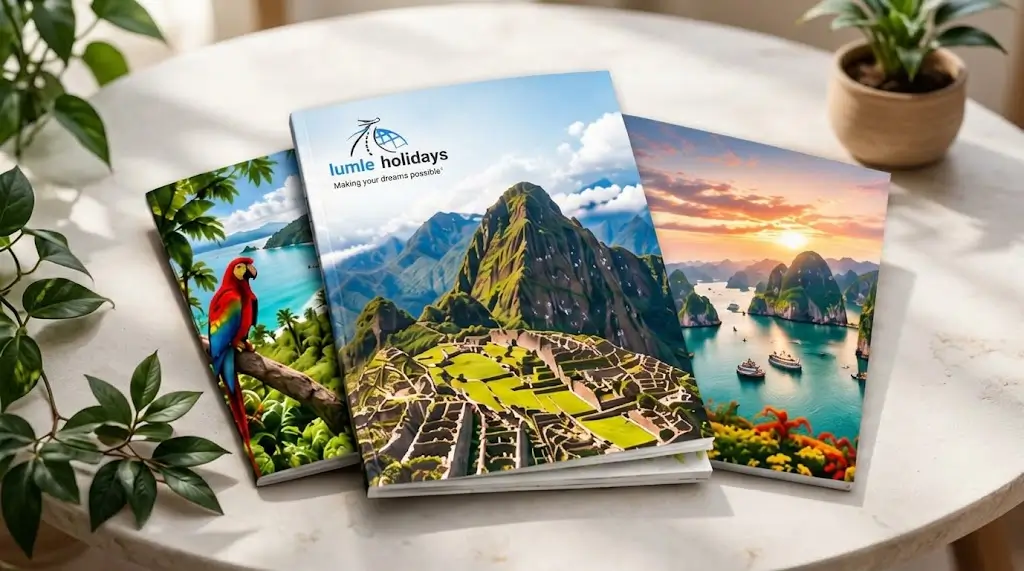
Get inspired with our latest travel brochures featuring our most popular tours and destinations.
We're here to help.
Speak directly to our Thailand travel specialists for tailored itineraries, advice, and booking enquiries.
Extra Ordinary Journeys. Exceptional prices

Thailand, Cambodia, Vietnam
Thailand, Cambodia
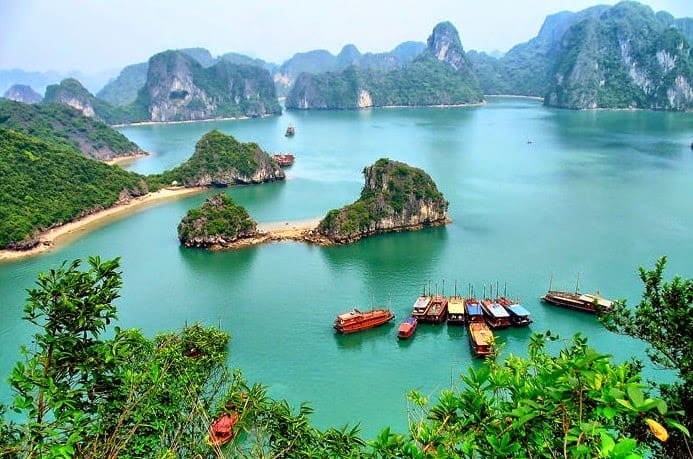
Thailand, Vietnam

Enter your email to get the Nepal Highlights: Heritage, Himalayas, Wildlife & Timeless Traditions PDF right into your inbox.

Access to our private collection and exclusive £200 savings is reserved for Lumle Travel Club members. Enter your member password below to proceed.
Membership to Lumle More is completely free, with no seconds to receive your secret member password, exclusive journey departures, and an instant £200 welcome voucher.
Membership is subject to the Lumle More Terms & Conditions.