
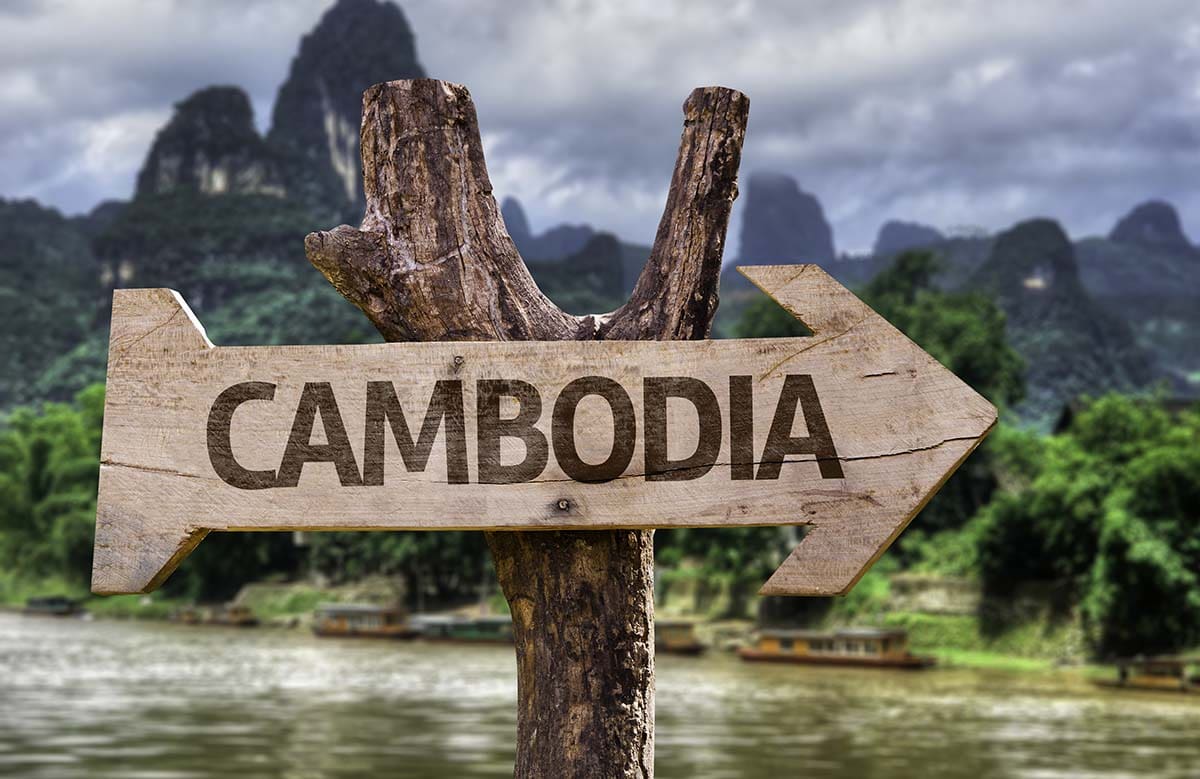
Good to know before you go Cambodia
Before You Go to Cambodia: Essential Travel Tips
Cambodia is a destination filled with history, culture, and natural beauty, making it a must-visit for travelers seeking adventure and discovery. However, before you embark on your journey, it’s important to be well-prepared. Here’s what you need to know before you go to Cambodia to ensure a smooth and enjoyable experience.
1. Check Visa and Entry Requirements
Most visitors will need a visa to enter Cambodia. You can obtain a tourist visa on arrival at airports or land borders, or apply for an e-visa online before your trip. A tourist visa typically allows for a stay of up to 30 days. Be sure to check the specific visa requirements for your nationality and whether you need additional documentation before your trip.
2. Get Travel Insurance
Travel insurance is highly recommended when visiting Cambodia. Ensure your policy covers medical emergencies, accidents, and potential trip cancellations. If you plan to participate in activities like trekking, diving, or exploring remote areas, make sure your insurance includes coverage for these as well. Healthcare facilities in major cities like Phnom Penh and Siem Reap are available, but it’s important to have insurance in case of emergencies.
3. Learn Basic Khmer Phrases
While English is widely spoken in tourist areas, learning a few basic Khmer phrases will go a long way in showing respect to locals. Simple greetings like “Susaday” (hello) and “Orkun” (thank you) are appreciated. Having a phrasebook or translation app can also be helpful when visiting rural areas where English may be less common.
4. Pack for the Weather
Cambodia has a tropical climate, so lightweight, breathable clothing is ideal. The dry season from November to February is cooler and perfect for sightseeing, while the hot season (March to May) can be very warm, particularly inland. If you’re traveling during the rainy season (June to October), bring a rain jacket or umbrella for the occasional downpours. Don’t forget essentials like sunscreen, a hat, insect repellent, and comfortable walking shoes.
5. Dress Modestly for Temples
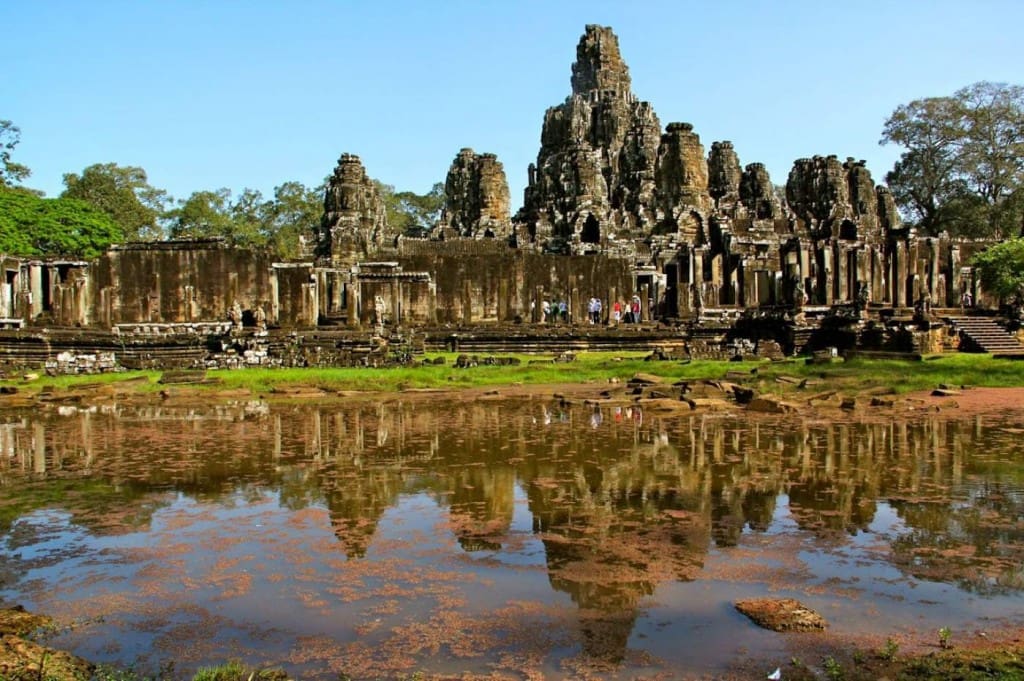
Cambodia is a predominantly Buddhist country, and dressing modestly is important, especially when visiting religious sites like Angkor Wat. Ensure that your shoulders and knees are covered when entering temples. Lightweight, long-sleeved clothing is a good option for staying cool while also respecting local customs. Remove your shoes before entering temples, and be mindful of your behavior in these sacred spaces.
6. Know the Currency and Exchange Rates
Cambodia uses both the US Dollar (USD) and the Cambodian Riel (KHR) as currencies. Most transactions, especially in tourist areas, are conducted in US Dollars, while smaller purchases may be given in Cambodian Riel. It’s useful to carry both currencies, especially when venturing into rural areas where Riel is more commonly used. ATMs are widely available in cities, and credit cards are accepted in most hotels and larger restaurants.
7. Stay Safe and Avoid Scams
Cambodia is generally safe for tourists, but like any destination, it’s important to take precautions. Avoid carrying large amounts of cash, keep your valuables secure, and be cautious in crowded areas to prevent pickpocketing. Tuk-tuk drivers and taxis may overcharge, so it’s a good idea to agree on a fare before starting your journey. Use trusted transportation services like Grab, a ride-hailing app available in major cities.
8. Get Vaccinated Before Traveling
It’s recommended to visit a healthcare provider or travel clinic before your trip to ensure you are up-to-date on routine vaccinations. Commonly recommended vaccines for Cambodia include hepatitis A, typhoid, and tetanus. If you plan to visit rural or remote areas, consider malaria prevention, especially during the rainy season. It’s also advisable to bring mosquito repellent to protect yourself from mosquito-borne illnesses like dengue fever.
9. Respect Local Customs
Cambodians are known for their warm hospitality, but it’s important to respect local customs and traditions. When greeting someone, use the traditional wai gesture (a slight bow with palms pressed together). Public displays of affection are generally frowned upon, and you should avoid touching someone’s head, as it’s considered the most sacred part of the body. Additionally, remove your shoes before entering homes or temples, and avoid pointing your feet at religious statues or people.
10. Try Cambodian Cuisine
Cambodia’s food is a unique blend of Southeast Asian flavors, with dishes like amok (a traditional Khmer curry) and lok lak (stir-fried beef) being must-tries. Street food is popular and delicious, but be cautious of where you eat to avoid stomach issues. Stick to busy stalls with good hygiene practices, and drink bottled water instead of tap water. Many restaurants and hotels also offer Western food options if you prefer.
11. Book Accommodations in Advance
Cambodia offers a wide range of accommodations, from luxury hotels and boutique guesthouses to budget-friendly hostels. If you’re traveling during the peak tourist season (November to February), it’s a good idea to book your accommodation in advance, especially in popular areas like Siem Reap and Phnom Penh. Look for places that offer modern amenities like free Wi-Fi, air conditioning, and airport transfers to ensure a comfortable stay.
By preparing properly before you go to Cambodia, you’ll be ready to fully enjoy everything this beautiful country has to offer. From ancient temples and bustling markets to serene islands and vibrant festivals, Cambodia promises a rich and unforgettable travel experience.