1-888-214-4856
Mon-Fri 10:00AM - 05:00PM
Join Lumle More
More from every journey
Complete the form below and our travel specialists will be in touch shortly with availability, prices and any questions you may have.
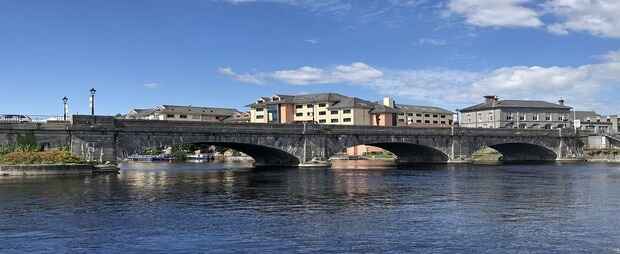
The best time to visit the Republic of Ireland depends on the type of experience you’re seeking. Known for its rolling green landscapes, rich history, and lively culture, Ireland is a year-round destination. However, each season offers something unique. Here’s a detailed breakdown to help you decide when to plan your trip.
Spring in Ireland is an excellent time to visit for travelers looking to enjoy mild weather and fewer crowds. As the days grow longer and the landscapes burst into life, you’ll find lush green hills and blooming wildflowers. It’s a great time to explore national parks such as Killarney or the Cliffs of Moher. Temperatures range from 8°C to 15°C, so pack layers and be prepared for the occasional rain shower.
Summer in Ireland is the peak tourist season, offering the warmest weather and the longest days, with up to 18 hours of daylight in some regions. Temperatures range between 15°C to 20°C, making it perfect for outdoor activities such as hiking, exploring coastal towns, or enjoying the bustling festivals. Events like the Galway International Arts Festival and Dublin’s Bloomsday celebrations bring the streets to life with music, culture, and festivities. Be prepared for more crowds, especially in popular tourist destinations.
Autumn in Ireland is ideal for travelers seeking a quieter experience with the benefit of pleasant weather. September still sees mild temperatures ranging from 10°C to 17°C, but as October and November roll in, temperatures drop slightly, and you’ll see the countryside transform into stunning shades of gold, red, and orange. Autumn is also a great time for cultural events like the Dublin Theatre Festival and the Cork Jazz Festival.
Winter in Ireland is the quietest time of year, with fewer tourists and a peaceful, cozy atmosphere. While the temperatures range from 4°C to 9°C, the weather is generally mild compared to other parts of Europe, although you’ll experience more rain and shorter days. December is a magical time to visit, especially with festive Christmas markets, light displays, and celebrations throughout Dublin, Cork, and Galway. It’s also a great time to experience traditional Irish pubs and warm up by the fire with some live music.
If you’re planning to explore Ireland’s stunning landscapes and coastlines, the best time to visit Ireland for outdoor activities is between late spring and early autumn (May to September). The weather is more reliable, and you’ll have longer days to make the most of outdoor adventures like hiking, cycling, and exploring the Wild Atlantic Way. However, even in the cooler months, Ireland’s mild climate allows for enjoyable outdoor exploration with proper preparation.
Ireland hosts numerous festivals throughout the year, making it an exciting destination no matter when you visit. In addition to the summer festivals, St. Patrick’s Day in March is a global celebration of Irish culture and history, with parades and events held across the country, especially in Dublin. In the autumn, festivals like the Wexford Opera Festival and the Puck Fair in Killorglin highlight Ireland’s rich cultural traditions.
Overall, the best time to visit the Republic of Ireland depends on what you want to experience. For those seeking good weather and lively events, summer is the ideal season. However, spring and autumn offer a balance of pleasant weather and fewer crowds, while winter provides a peaceful and cozy atmosphere for travelers looking for an off-season escape.

Get inspired with our latest travel brochures featuring our most popular tours and destinations.

We're here to help.
Speak directly to our Ireland travel specialists for tailored itineraries, advice, and booking enquiries.

Enter your email to get the Nepal Highlights: Heritage, Himalayas, Wildlife & Timeless Traditions PDF right into your inbox.

Access to our private collection and exclusive £200 savings is reserved for Lumle Travel Club members. Enter your member password below to proceed.
Membership to Lumle More is completely free, with no seconds to receive your secret member password, exclusive journey departures, and an instant £200 welcome voucher.
Membership is subject to the Lumle More Terms & Conditions.