
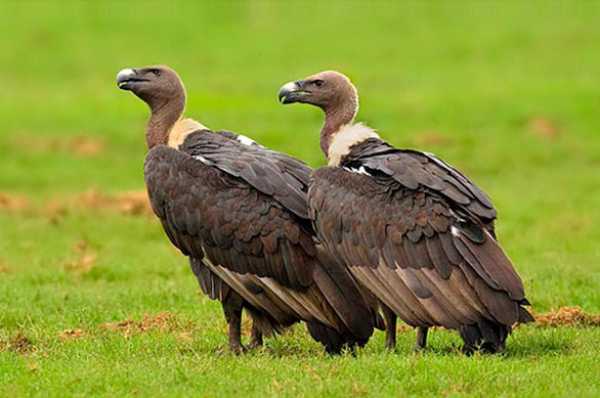
Nepal is a beautiful country and not only famous for having highest mountain, Mount Everest but also known housing some of the several species of vultures. The large number of tourist not only flock for trekking in Nepal but also plan their Nepal holidays for nature treks and tours, bird watching tours and so on. The vultures are the birds that are seen scavenging on carcasses of dead animals and human dead bodies in the form of sky burials. Vultures play sine qua non role in maintaining clean environment through rapid consumption of animal carcasses and human dead bodies in the form of sky burials in countries viz Nepal and Tibet. It is believed that, there are nine different species of vultures are in South Asia. Nepal houses six resident vulture species That are white-rumped vulture Gyps bengalensis, slender-billed vulture Gyps tenuirostris, Egyptian vulture Neophron percnopterus, red-headed vulture Sarcogyps calvus, Himalayan griffon vulture Gyps himalayensis, and Lammergeier Vulture Gypaetus barbatus, one winter visitor (Cinereous vulture Aegypius monachus) and one Passage migrant (Eurasian griffon vulture Gyps fulvus).
Vulture’s population and conservation
In the recent years, the population vultures have in declining very rapidly. Thus the observation of vultures’ population indicates 90% decline from 1995 – 2009. Extensive research suggests that, Diclofenac, anti-inflammatory drug widely used to treat livestock as the prime cause of vulture’s decline. Thus, vultures are exposed to Diclofenac when they feed carcasses of livestock containing toxic residues of the drug. Therefore, the decline of vultures from ecosystem affects the balance between the population of the scavenging species and result in increase of putrefying carcasses. Although, we have observed, the prime cause of vultures decline may be Diclofenac, there are some other causes such as loss of forests, loss of vulture’s food etc. that contributes to the loss of vultures. In the recent years, Government of Nepal and private sectors have exhibited efforts towards vulture conservation. For example, vulture breeding centres such as vulture restaurant are built, vulture conservation foundations are established.
Vultures and bird watching holdiays
Moreover, vultures are not only help cleaning the environment but also observed entertaining tourist who have interest on bird watching. Likewise other birds, vultures are trained to fly with tourist. So if you are interested to flying with trained Egyptian vultures than why not book Parahawking with your Nepal holidays. Parahawking is paragliding with a trained bird of prey. Parahawking takes place in Pokhara. Whether you are planning for a Nepal adventure holidays or pilgrimage trip to Kailash Mansarovar, you can certainly add Parahawking at the end of your trip to have great and exciting experience of flying with vultures. To sum up, to protect the environment, vulture conservation in Nepal is utmost important. We must unite to support vulture conservation action plan Nepal and act towards vulture conservation from every aspects.