1-888-214-4856
Mon-Fri 10:00AM - 05:00PM
Join Lumle More
More from every journey
Complete the form below and our travel specialists will be in touch shortly with availability, prices and any questions you may have.

Whether you’re planning your first trip to Canada or returning to explore more of this vast country, having the right information can make your journey smoother. Here are the most frequently asked questions about traveling to Canada, covering visas, transportation, safety, and more.
Travelers from many countries, including the United States, most EU nations, Australia, and Japan, do not need a visa to visit Canada for short stays (up to six months) for tourism or business. However, you will need to apply for an Electronic Travel Authorization (eTA) before flying to Canada. This is a simple online process that typically takes minutes to complete. For those from countries that require a visa, you will need to apply through a Canadian consulate or embassy.
The official currency of Canada is the Canadian Dollar (CAD). Credit and debit cards are widely accepted throughout the country, including in most hotels, restaurants, and shops. ATMs are also easily accessible, and many will accept international cards. It’s a good idea to carry some Canadian cash for smaller businesses, local markets, or remote areas where card payment may not be available.
The best time to visit Canada depends on the experiences you’re looking for. The summer months (June to August) are ideal for outdoor adventures, hiking, and sightseeing, with warm weather across most of the country. Winter (December to February) is perfect for snow sports enthusiasts, especially in areas like Whistler, Banff, and Mont-Tremblant, while fall (September to November) offers stunning fall foliage, particularly in regions like Ontario and Quebec.
Canada has two official languages: English and French. English is predominantly spoken across most of the country, while French is the primary language in the province of Quebec. In Quebec cities like Montreal and Quebec City, you’ll find bilingual signage, and many locals speak both languages. In major tourist areas, such as Vancouver and Toronto, English is widely spoken, though you may encounter other languages due to Canada’s multicultural population.
Canada is considered one of the safest countries for tourists. Crime rates are generally low, especially in popular tourist areas. It’s important, however, to practice common travel safety precautions, such as being aware of your surroundings, safeguarding your belongings, and using licensed taxis or reputable ride-sharing services like Uber or Lyft in major cities. In rural or remote areas, it’s recommended to follow safety guidelines for wildlife encounters and outdoor activities.
Packing for Canada depends on the season and your travel destinations. In summer, pack lightweight clothing, but bring layers for cooler evenings, especially in coastal or mountainous areas. In winter, pack warm, insulated clothing, including a heavy jacket, gloves, and a hat, especially if you’re visiting ski resorts or cold regions. Year-round, you’ll want comfortable walking shoes, sunblock, and a reusable water bottle for outdoor activities. If you’re visiting in fall or spring, be prepared for varying temperatures and bring waterproof gear for rain.
Canada is a vast country, and travel between regions often requires domestic flights. Major airlines like Air Canada and WestJet offer frequent flights between cities. Within cities, public transportation, such as buses and subways, is efficient and affordable, particularly in cities like Toronto, Vancouver, and Montreal. Car rentals are a good option for exploring national parks or rural areas. The VIA Rail train service is another scenic way to travel between cities, particularly in Eastern Canada.
Travel insurance is highly recommended for trips to Canada, as healthcare costs can be high without insurance. Ensure your policy covers medical emergencies, trip cancellations, lost luggage, and any adventure activities you plan to do, such as skiing, hiking, or kayaking. Most Canadian cities have excellent medical facilities, but it’s essential to be prepared, especially if you’re visiting remote or wilderness areas.
Most international visitors, including those from the US, EU, and Australia, can drive in Canada using their valid home country driver’s license for up to six months. However, it’s a good idea to carry an International Driving Permit (IDP) alongside your license, especially if your license is not in English or French. In provinces like Quebec, you’ll find bilingual road signs, and driving conditions in cities are generally good. Be aware of the seasonal road conditions in winter, as snow and ice can make driving more challenging in some regions.
Tipping is customary in Canada, particularly in restaurants, bars, and for services like taxis and hairdressers. In restaurants, it’s typical to tip around 15-20% of the total bill before taxes. For hotel staff, tipping $1 to $5 per service (such as bellhops or housekeeping) is standard. In taxis, rounding up to the nearest dollar or tipping around 10-15% of the fare is appreciated.
These Canada travel FAQs provide essential information to help you plan your trip and ensure a smooth, enjoyable experience. From visa requirements and currency tips to packing advice and safety tips, being well-prepared will make your Canadian adventure all the more memorable.
What can we help you with today?
Got questions about traveling here? We've got answers.

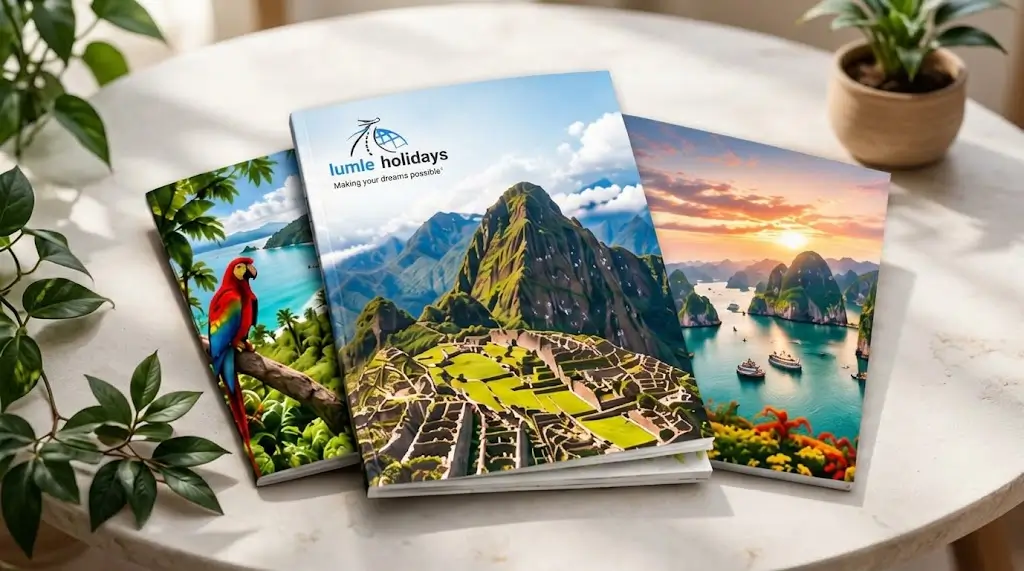
Get inspired with our latest travel brochures featuring our most popular tours and destinations.
We're here to help.
Speak directly to our Canada travel specialists for tailored itineraries, advice, and booking enquiries.

Enter your email to get the Nepal Highlights: Heritage, Himalayas, Wildlife & Timeless Traditions PDF right into your inbox.

Access to our private collection and exclusive £200 savings is reserved for Lumle Travel Club members. Enter your member password below to proceed.
Membership to Lumle More is completely free, with no seconds to receive your secret member password, exclusive journey departures, and an instant £200 welcome voucher.
Membership is subject to the Lumle More Terms & Conditions.