



Embark on an unforgettable journey through the Canadian Rockies, where every moment is filled with breathtaking vistas, immersive adventures, and vibrant cultural encounters. Begin...

Discover Canada
Canada is arguably most famous for the almost endless types of landscapes it has to offer. Towering mountains, glaciers, rain forests, sandy beaches, and fertile plains, Canada has...
Reasons to Visit Canada
Scenic Wonders
Discover breathtaking landscapes, beautiful coastlines and remarkable natural scenery.
Culture & Heritage
Explore fascinating traditions, historic landmarks and rich cultural heritage.
Memorable Experiences
Enjoy exciting discoveries, unique attractions and unforgettable travel moments.
People & Traditions
Experience warm hospitality, local customs and authentic cultural encounters.
Hidden Gems
Discover lesser-known treasures, iconic highlights and distinctive local charm.
Explore Canada: A Land of Diverse Culture, Breathtaking Nature, and Welcoming Lifestyle Canada, the second-largest country in the world, is known for its rich culture, stunning nature, and friendly lifestyle. From the bustling cities of Toronto and Vancouver to the serene landscapes of the Rocky Mountains and the expansive Arctic tundra, Canada offers an immersive travel experience that captivates the hearts of travelers. Whether exploring…
Explore Canada: A Land of Diverse Culture, Breathtaking Nature, and Welcoming Lifestyle
Canada, the second-largest country in the world, is known for its rich culture, stunning nature, and friendly lifestyle. From the bustling cities of Toronto and Vancouver to the serene landscapes of the Rocky Mountains and the expansive Arctic tundra, Canada offers an immersive travel experience that captivates the hearts of travelers. Whether exploring historic sites, hiking through pristine wilderness, or enjoying vibrant festivals, Canada promises a journey full of discovery and adventure.
Cultural Heritage: A Mosaic of Traditions
The cultural heritage of Canada is a blend of indigenous traditions and the influences brought by settlers from around the world. In cities like Toronto and Montreal, multiculturalism is celebrated, evident in the diverse neighborhoods, cuisines, and festivals. The Royal Ontario Museum in Toronto and the Canadian Museum of History in Gatineau offer insights into the country’s rich past and cultural diversity.
Indigenous culture is an essential part of Canada’s identity. Visitors can learn about First Nations, Inuit, and Métis traditions through art, dance, and storytelling at cultural centers and during festivals. Celebrations like National Indigenous Peoples Day highlight the deep-rooted history and contributions of Indigenous communities to Canada’s national fabric.
The Lifestyle: Relaxed and Community-Oriented
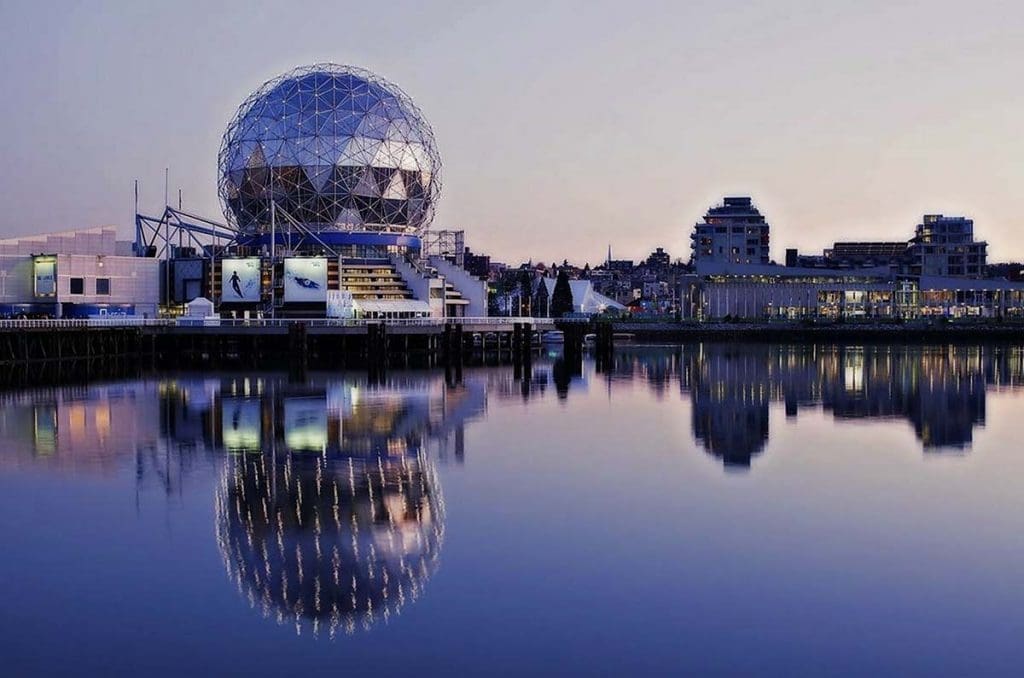
The lifestyle in Canada is laid-back yet vibrant, with an emphasis on outdoor activities and community involvement. In urban centers like Vancouver and Calgary, a love for nature is evident, with easy access to hiking trails, waterfronts, and parks. Winter sports like skiing and snowboarding are popular in places like Whistler and Banff, while summer activities include hiking, kayaking, and camping.
In smaller towns and rural areas, life is more connected to the land, with a strong sense of community and tradition. The Atlantic provinces, such as Nova Scotia and Newfoundland, are known for their warm hospitality, maritime culture, and picturesque coastal landscapes.
Natural Beauty: Mountains, Lakes, and Forests
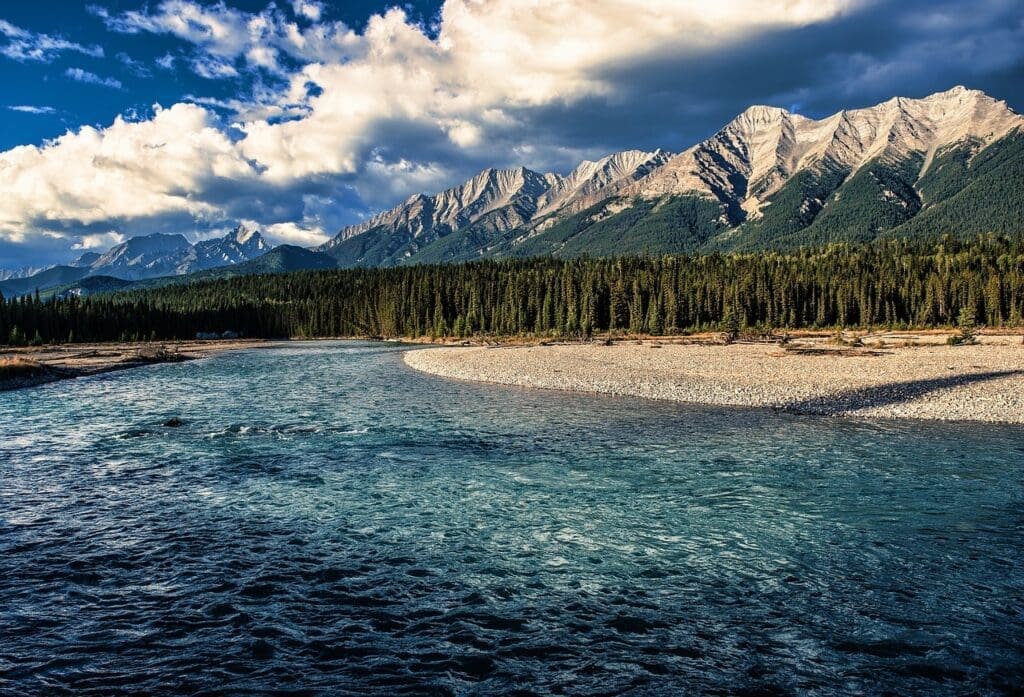
Canada’s natural beauty is unparalleled, encompassing diverse landscapes from coast to coast. The Rocky Mountains in Alberta and British Columbia offer breathtaking scenery, with towering peaks, glacial lakes, and abundant wildlife. Banff and Jasper National Parks are must-visit destinations for outdoor enthusiasts, featuring iconic sites like Lake Louise and the Icefields Parkway.
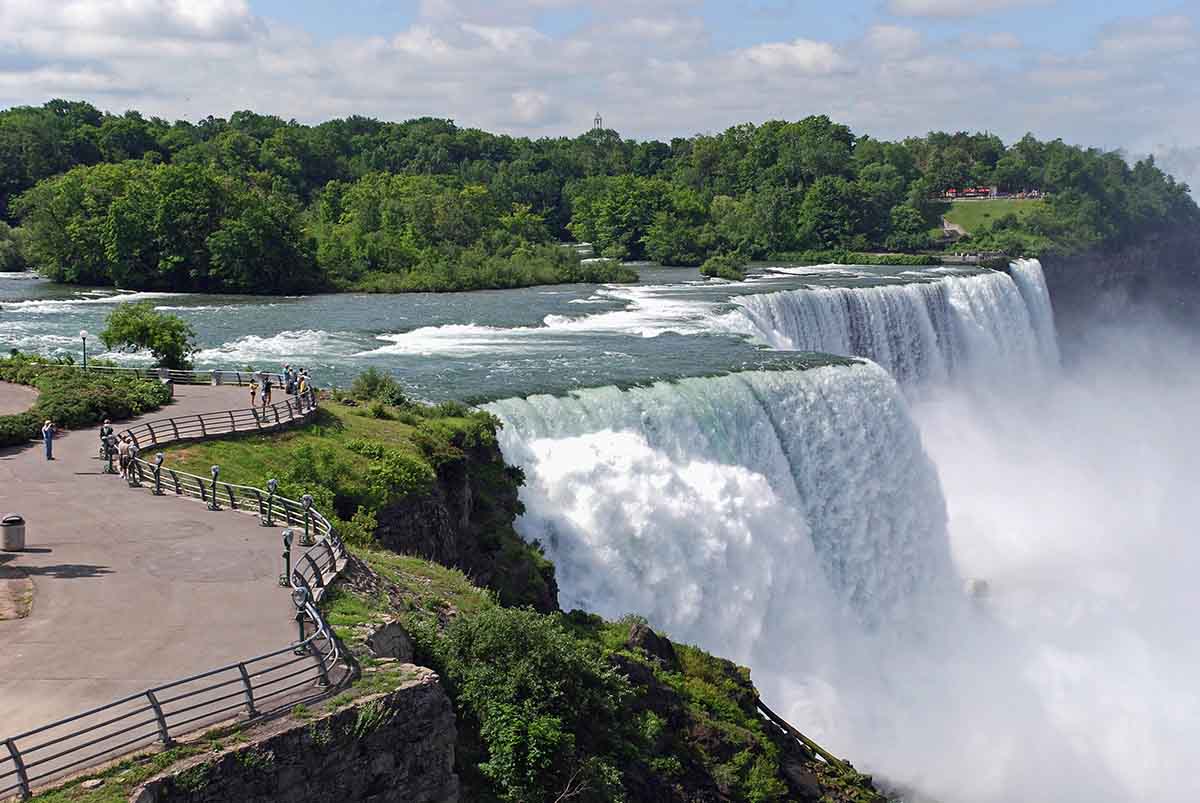
The central region of Canada is home to the vast Great Lakes and the scenic Niagara Falls, a world-famous natural wonder. In the eastern part of the country, the rugged beauty of Gros Morne National Park in Newfoundland and the rolling hills of Prince Edward Island showcase a different yet equally stunning landscape.
In the north, the Yukon and Northwest Territories offer breathtaking views of the Northern Lights, vast tundras, and opportunities to experience the midnight sun during the summer months. The remote wilderness of these regions is home to diverse wildlife, including moose, caribou, and polar bears.
Wildlife and Conservation
Canada is renowned for its commitment to conservation and the protection of its diverse wildlife. National parks and protected areas are scattered across the country, preserving ecosystems and offering a safe haven for countless species. Pacific Rim National Park Reserve on Vancouver Island is home to lush rainforests and marine life, while Algonquin Provincial Park in Ontario is known for its dense forests and opportunities for wildlife spotting, including bears, beavers, and loons.
Whale-watching tours are popular in places like Tofino and the Bay of Fundy, where visitors can see humpback, orca, and beluga whales. Birdwatchers will appreciate the diverse avian species that call Canada home, from bald eagles to puffins.
Experience Canadian Cuisine: Regional and Hearty
Canadian cuisine reflects its cultural diversity and abundant natural resources. Signature dishes like poutine, a combination of fries, cheese curds, and gravy, are beloved comfort foods. In Quebec, tourtière (a meat pie) is a traditional dish often served during holidays. The Atlantic provinces are famous for their seafood, with fresh lobster, scallops, and clam chowder being staples of the region.
Maple syrup, an iconic product of Canada, features prominently in dishes like maple-glazed salmon and as a sweet topping for pancakes and waffles. Indigenous ingredients such as bison, wild berries, and bannock reflect the traditional foods of Canada’s First Nations and add depth to the country’s culinary landscape.
For a unique dining experience, try the multicultural cuisine available in cities like Toronto and Vancouver, where food from around the world is celebrated. From food trucks to fine dining, the diversity of flavors is endless.
An immersive travel experience in Canada blends culture, nature, and lifestyle to create memories that last a lifetime. Whether you’re hiking in the Rockies, exploring the cobblestone streets of Quebec City, or enjoying the wildlife in a national park, Canada’s beauty and warmth are sure to captivate.
Let Canada’s stunning landscapes, friendly people, and rich traditions invite you to experience the best of this incredible country.
Featured Places in Canada
Discover some of our most sought-after places, from timeless icons to hidden gems.


Suggested Itineraries in Canada
Carefully crafted itineraries for an unforgettable journey.
Canadian Rockies & Pacific Explorer: Mountains, Lakes, Glaciers, Coastlines & Forests
Canada
- Small Group
Essential Canada Travel Guide
Everything you need to know to plan your perfect Canada adventure.


Canada Travel Information
Essential information for your Canada holiday. Content is tailored to your selected market.
Visa & entry requirements
Check current entry requirements with the relevant embassy before travel.
Time difference
Ask our specialists about the local time difference.
Search our FAQs
What can we help you with today?
Canada Travel FAQs
Everything you need to know about planning and taking your journey.
Good to know before you go to Canada
Before You Go to Canada: Essential Travel Tips Canada is an exciting and diverse destination, offering travelers a mix of stunning natural beauty, vibrant cities, and rich cultural experiences. Before you embark on your adventure, it’s essential to be well-prepared. Here are key tips and important information to know before you go to Canada. 1. Check Visa and Entry Requirements Depending on your nationality, you…
Before You Go to Canada: Essential Travel Tips
Canada is an exciting and diverse destination, offering travelers a mix of stunning natural beauty, vibrant cities, and rich cultural experiences. Before you embark on your adventure, it’s essential to be well-prepared. Here are key tips and important information to know before you go to Canada.
1. Check Visa and Entry Requirements
Depending on your nationality, you may need an Electronic Travel Authorization (eTA) or a visa to enter Canada. Citizens of the US, EU, UK, Australia, and many other countries do not need a visa for short stays (up to six months) but must apply for an eTA if arriving by air. This can be done online in a matter of minutes. Ensure your passport is valid for at least six months beyond your intended stay.
2. Get Travel Insurance
Canada has excellent healthcare, but it can be expensive for travelers without insurance. It’s highly recommended to purchase comprehensive travel insurance that covers medical emergencies, trip cancellations, lost luggage, and any activities you plan on doing, such as skiing, hiking, or adventure sports. Medical care, especially in remote areas, can quickly add up, so it’s better to be safe than sorry.
3. Familiarize Yourself with the Weather and Pack Accordingly
Canada is a large country with varying climates depending on the region and season. If you’re visiting in the summer (June to August), pack lightweight clothing but bring layers for cooler evenings, especially in the mountains or by the coast. If traveling in winter (December to February), be prepared with warm, insulated clothing, including a heavy coat, gloves, a hat, and waterproof boots, particularly if you’re heading to ski destinations like Whistler or Banff. For fall and spring, pack layers and rain gear, as weather can be unpredictable.
4. Know the Currency
The official currency of Canada is the Canadian Dollar (CAD). Credit and debit cards are widely accepted throughout the country, but it’s a good idea to carry some Canadian cash, especially if you’re visiting rural areas or smaller towns. ATMs are plentiful in cities and major tourist areas, and you can use your international credit or debit card at most places. Be aware that some smaller businesses may not accept cards, so having cash on hand is useful.
5. Learn Basic French for Quebec
Canada has two official languages: English and French. While English is spoken in most parts of the country, Quebec is a predominantly French-speaking province. In cities like Montreal and Quebec City, many people are bilingual, but it’s helpful to know a few basic French phrases to enhance your travel experience. Phrases like “bonjour” (hello), “merci” (thank you), and “s’il vous plaît” (please) will go a long way in making your interactions smoother and more pleasant.
6. Prepare for Wildlife Encounters
If you’re exploring Canada’s national parks or wilderness areas, you might encounter wildlife such as bears, moose, or deer. It’s important to be prepared and follow the guidelines for wildlife safety. When hiking, carry bear spray, make noise to avoid surprising animals, and store food properly in bear-proof containers. Always respect wildlife from a distance and never feed wild animals. In some areas, guided tours can help ensure a safe and enjoyable wildlife experience.
7. Understand Tipping Etiquette
Tipping is customary in Canada, especially in service industries like restaurants, taxis, and hotels. The standard tip at restaurants is between 15-20% of the pre-tax bill. In bars, it’s common to tip around $1 to $2 per drink. For hotel staff, tipping bellhops or housekeeping staff $1 to $5 per service is appreciated. If you’re taking a guided tour, a tip of around 10-15% for the guide is customary as well.
8. Plan Your Transportation in Advance
Canada is a vast country, and traveling between provinces often requires careful planning. Domestic flights are a quick and efficient way to cover long distances, with major airlines like Air Canada and WestJet offering frequent flights between cities. If you’re staying in a specific region, renting a car is a great option, especially for exploring national parks and more remote areas. Public transportation is reliable in major cities like Toronto, Vancouver, and Montreal, with buses, subways, and ride-hailing services available.
9. Stay Connected with Mobile and Internet Access
Canada has excellent mobile and internet coverage, particularly in urban areas. If you’re traveling from abroad, consider purchasing a local SIM card or an international plan for your phone to avoid high roaming charges. Free Wi-Fi is available in most hotels, cafes, and public spaces, but if you’re venturing into remote areas, it’s a good idea to download maps and travel apps ahead of time as signal coverage may be limited in wilderness regions.
10. Respect Nature and the Environment
Canada is known for its pristine natural landscapes, and it’s important to practice responsible tourism. When hiking or visiting national parks, stick to designated trails to avoid disturbing wildlife or damaging fragile ecosystems. Dispose of waste properly and recycle when possible. Many national parks have strict rules about leaving no trace, ensuring that Canada’s natural beauty is preserved for future visitors.
Being prepared before you go to Canada will help ensure a smooth, enjoyable experience. Whether you’re exploring the country’s incredible cities or its vast wilderness, these tips will help you make the most of your adventure in Canada.
Ready to experience Canada?
Explore our carefully planned Canada holidays or speak to us about creating a journey tailored around you.
Need some help? Call 1-888-214-4856
Start Planning Your Canada Journey
Our travel specialists have explored every corner of Canada. Speak with us today to customize your perfect adventure.

