
Good to know before you go to Chile
Before You Go to Chile: Essential Travel Tips and Advice
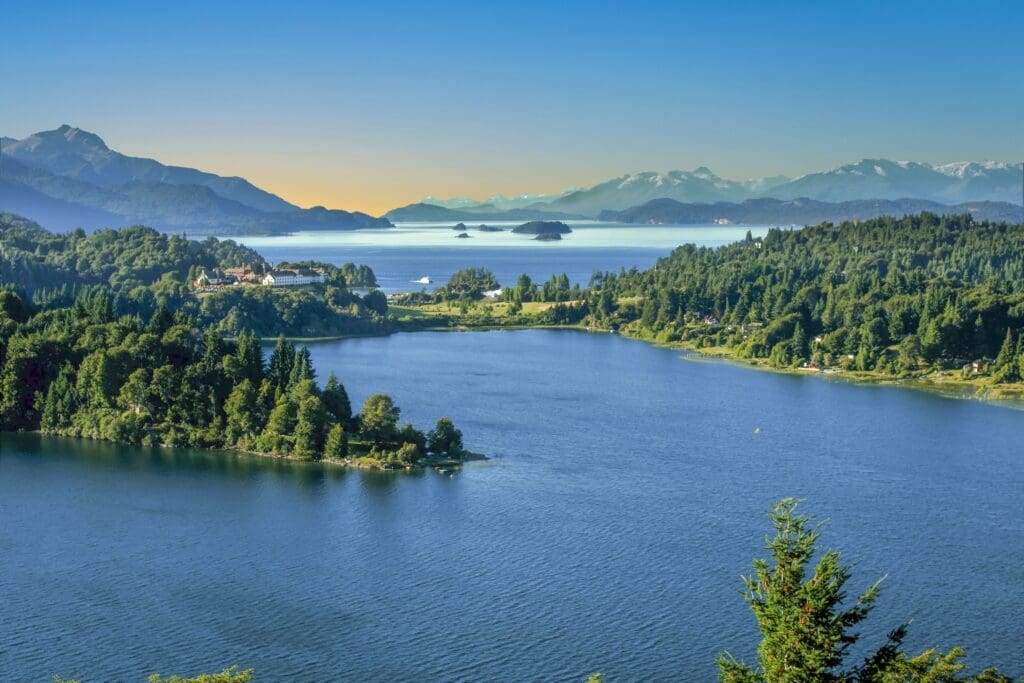
Chile is a diverse and exciting destination, offering everything from vast deserts and snow-capped mountains to pristine beaches and vibrant cities. Whether you’re planning to trek through Patagonia, explore the Atacama Desert, or experience Chilean culture in Santiago, preparation is key to making the most of your trip. Here’s everything you need to know before you go to Chile.
1. Check Visa Requirements and Passport Validity
For most travelers, Chile is a visa-free destination for stays up to 90 days. This includes visitors from the United States, Canada, the UK, Australia, and most European countries. However, make sure your passport is valid for at least six months beyond your intended stay. Upon arrival, you’ll receive a tourist card, which you must keep with your passport and return when leaving the country.
2. Know the Best Time to Visit Chile
Chile’s climate varies significantly depending on the region, so the best time to visit depends on your destination. The ideal time to explore Patagonia is during the summer months (December to February), when the weather is milder, and the days are longer. For visiting the Atacama Desert, the dry season from April to October is ideal. Central Chile, including Santiago and the wine regions, is best visited in the spring (September to November) and fall (March to May) when temperatures are pleasant, and vineyards are in full bloom.
3. Stay Healthy: Vaccinations and Health Tips
While no specific vaccinations are required to enter Chile, it’s recommended to be up-to-date on routine vaccines, such as measles, mumps, and hepatitis A. If you’re planning to visit rural or remote areas, consider vaccinations for typhoid and rabies. Chile’s healthcare system is of a high standard, especially in major cities, and pharmacies are widely available. Be sure to bring any prescription medications you may need, and carry basic travel health essentials like sunscreen, insect repellent, and a first aid kit.
4. Prepare for the Different Climates in Chile
Chile is a long, narrow country that spans several climate zones, so packing the right gear is essential. For those traveling to Patagonia, be prepared for unpredictable weather, including strong winds and rain, even in summer. Layers are key, as temperatures can fluctuate throughout the day. In the Atacama Desert, pack light clothing for the daytime and warmer layers for cooler evenings. If you’re visiting Chile’s wine regions or coastal cities like Valparaíso, pack for mild, Mediterranean-style weather. Don’t forget sturdy walking shoes, a reusable water bottle, and eco-friendly toiletries.
5. Currency: Chilean Peso and Money Tips
The official currency of Chile is the Chilean Peso (CLP). While credit and debit cards are widely accepted in major cities like Santiago and Valparaíso, it’s always a good idea to carry some cash, especially in rural areas. ATMs are commonly available, but check with your bank about international withdrawal fees. Smaller establishments may prefer cash payments, so keep small bills on hand for markets, taxis, and tips. Currency exchange booths are available at airports and in major cities, but for better rates, use ATMs.
6. Learn Basic Spanish Phrases
The official language of Chile is Spanish, and while English is spoken in many tourist areas, particularly in major cities and hotels, it’s helpful to learn a few basic Spanish phrases. Phrases like “Hola” (Hello), “Gracias” (Thank you), and “¿Cuánto cuesta?” (How much does it cost?) will go a long way in helping you interact with locals and enhance your travel experience. Download a translation app or carry a small phrasebook for assistance in less touristy areas.
7. Safety Tips for Traveling in Chile
Chile is considered one of the safest countries in South America, but it’s still important to take basic precautions. In cities like Santiago, be mindful of pickpocketing, especially in crowded areas, public transportation, and tourist sites. Keep your belongings secure, avoid displaying valuable items, and use caution at night. It’s recommended to use official taxis or rideshare apps like Uber. In remote areas like Patagonia, always follow safety guidelines, particularly when hiking or trekking. Let someone know your travel plans and stick to designated trails when exploring national parks.
8. Transportation in Chile
Chile offers various transportation options depending on where you’re traveling. Domestic flights are the quickest way to cover long distances, especially for traveling between Santiago and remote areas like Patagonia or the Atacama Desert. Buses are widely available and offer a comfortable, affordable way to travel between cities and towns. In Santiago, the metro system is efficient and easy to use, while taxis and rideshare services like Uber are available in major cities. If you’re planning to explore rural areas or national parks, consider renting a car for more flexibility.
9. Respect Chile’s Natural Wonders
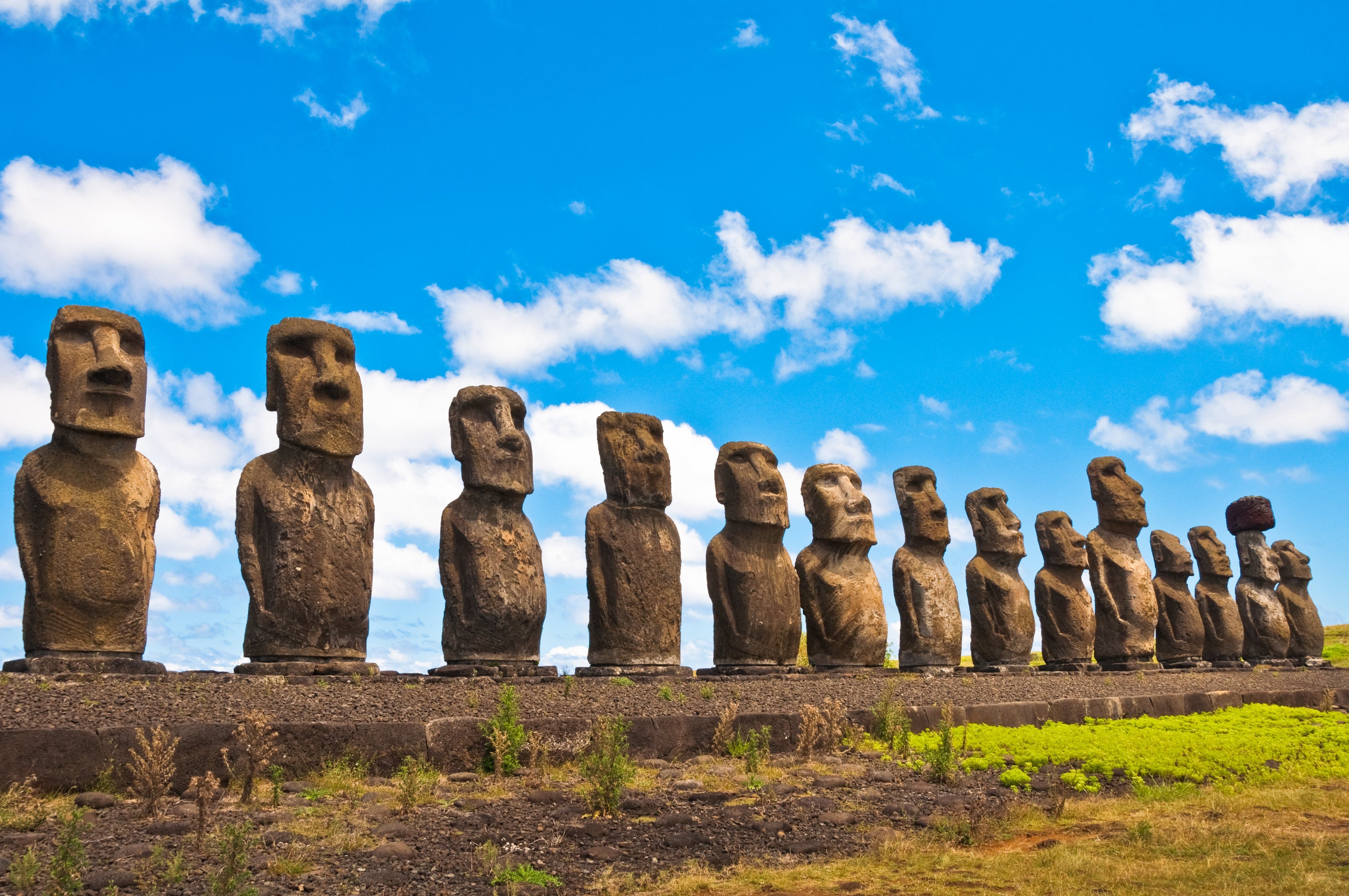
Chile is home to some of the world’s most breathtaking natural landscapes, from the glaciers of Patagonia to the star-studded skies of the Atacama Desert. It’s important to respect these environments by following eco-friendly practices. In national parks, stay on marked trails, dispose of waste properly, and avoid disturbing wildlife. If visiting the Galápagos Islands or Easter Island, adhere to local conservation rules to help protect these fragile ecosystems. Use reusable water bottles and reduce plastic waste whenever possible.
10. Tipping Etiquette in Chile
Tipping in Chile is customary but not obligatory. In restaurants, a service charge of 10% is often added to the bill, but it’s optional. If the service charge isn’t included, it’s common practice to leave a 10% tip for good service. Tipping is also appreciated in hotels, for porters and housekeeping, as well as for tour guides and drivers. In taxis, rounding up the fare is a typical gesture but not expected.
Conclusion: Prepare for an Unforgettable Adventure in Chile
Chile is a country that offers something for every traveler, from its vast natural landscapes to its rich cultural heritage. Whether you’re planning to hike through the rugged wilderness of Patagonia, explore the stark beauty of the Atacama Desert, or soak up the vibrant culture of Santiago, proper preparation will ensure a smooth and enjoyable trip. With these tips in mind, you’ll be ready to experience the very best of Chile.