



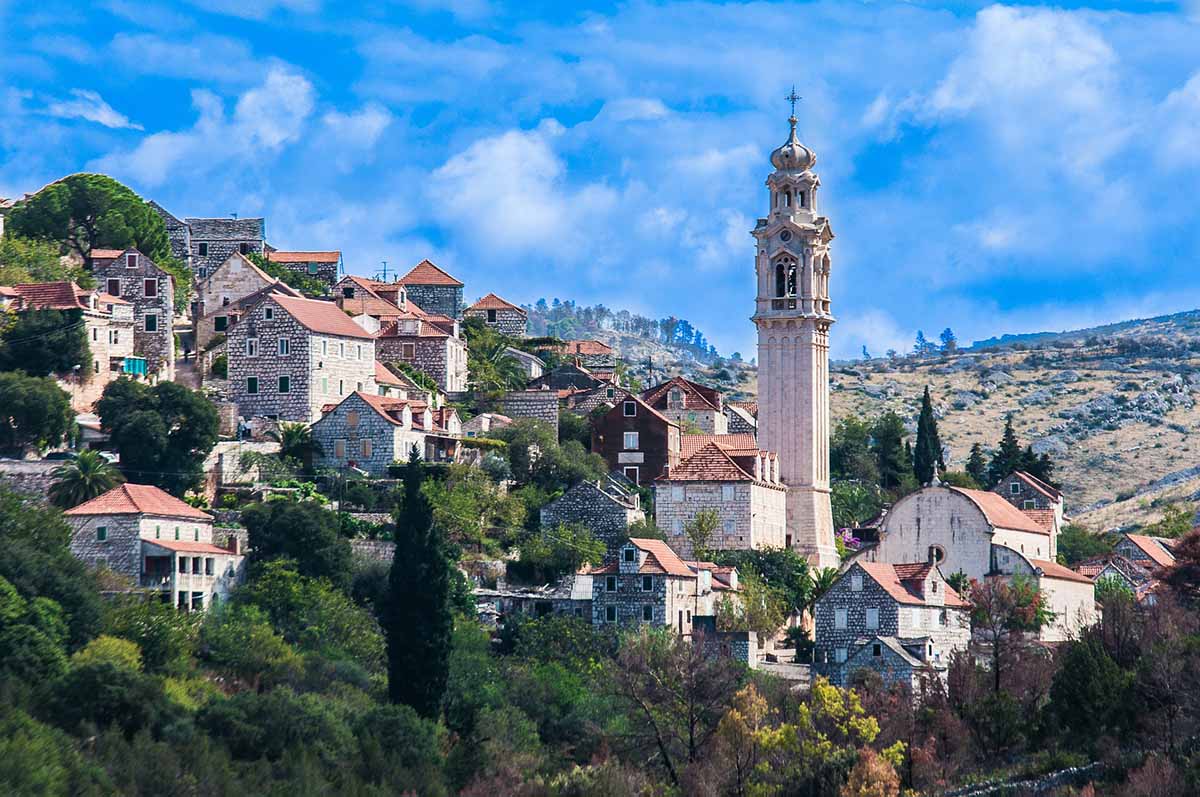

Amazing Croatia: From the Capital to the Coast invites you on a richly rewarding journey through the cultural and natural treasures of Croatia and...

Three days in Dubrovnik, a fascinating town with a proud cultural heritage that will leave you breathless, and four days in Split, a city...
Discover Croatia
The remarkably clear sea water, complimented by beaches covered by pebbles is what Croatia is known for. If you do not fancy just sitting by the beach-side, you...
Reasons to Visit Croatia
Scenic Wonders
Discover breathtaking landscapes, beautiful coastlines and remarkable natural scenery.
Culture & Heritage
Explore fascinating traditions, historic landmarks and rich cultural heritage.
Memorable Experiences
Enjoy exciting discoveries, unique attractions and unforgettable travel moments.
People & Traditions
Experience warm hospitality, local customs and authentic cultural encounters.
Hidden Gems
Discover lesser-known treasures, iconic highlights and distinctive local charm.
Explore Croatia
See where your journey could take you
Explore Croatia: A Land of Stunning Coastlines, Rich History, and Vibrant Culture Croatia, located in Southeast Europe along the Adriatic Sea, is celebrated for its rich culture, breathtaking nature, and lively lifestyle. From the medieval walls of Dubrovnik to the tranquil lakes of Plitvice, Croatia offers an immersive travel experience that combines historical exploration, scenic beauty, and culinary delights. Whether sailing along the Dalmatian Coast,…
Explore Croatia: A Land of Stunning Coastlines, Rich History, and Vibrant Culture
Croatia, located in Southeast Europe along the Adriatic Sea, is celebrated for its rich culture, breathtaking nature, and lively lifestyle. From the medieval walls of Dubrovnik to the tranquil lakes of Plitvice, Croatia offers an immersive travel experience that combines historical exploration, scenic beauty, and culinary delights. Whether sailing along the Dalmatian Coast, strolling through ancient towns, or enjoying traditional cuisine, Croatia promises unforgettable memories.
Cultural Heritage: A Blend of Ancient and Modern
Croatia’s cultural heritage is a testament to its history as a crossroads of Mediterranean and Central European influences. Dubrovnik, known as the “Pearl of the Adriatic,” boasts impressive medieval walls, historic fortresses, and the beautiful Old Town, a UNESCO World Heritage Site. The city’s charm has been immortalized in popular culture, including serving as a filming location for renowned shows and films.
The city of Split is home to the magnificent Diocletian’s Palace, a blend of ancient Roman architecture and modern living spaces. In the capital, Zagreb, visitors can explore a vibrant mix of Austro-Hungarian architecture, museums, and local markets like Dolac Market, showcasing Croatia’s artistic and culinary traditions.
The Lifestyle: Coastal Serenity and Festive Spirit
The lifestyle in Croatia is defined by a love for the sea, outdoor activities, and strong community ties. The coastal regions, particularly along the Dalmatian Coast, are known for their relaxed pace of life, with locals and visitors enjoying the sun, sea, and delicious food. Festivals such as Dubrovnik Summer Festival and Ultra Europe in Split showcase the country’s vibrant cultural scene, filled with music, performances, and celebrations.
Inland, the lifestyle blends traditional practices with modern influences. Rural villages celebrate local customs and folklore, while cities like Zagreb offer a cosmopolitan experience with bustling cafes, galleries, and shops.
Natural Beauty: Islands, Parks, and Crystal Waters
Croatia’s natural beauty is renowned, with over 1,000 islands scattered along the Adriatic Sea. Popular islands like Hvar, Brač, and Korčula offer scenic beaches, charming old towns, and vibrant nightlife. The Plitvice Lakes National Park, a UNESCO World Heritage Site, features a series of cascading lakes connected by waterfalls and lush greenery, making it a must-visit destination for nature lovers.
The Krka National Park is another highlight, known for its stunning waterfalls and the opportunity to swim in its emerald pools. The mountainous regions, including Mount Biokovo and the Velebit Mountains, provide hiking trails with breathtaking views of the coast and inland landscapes.
Wildlife and Conservation
Croatia is home to diverse wildlife and dedicated conservation efforts to protect its natural habitats. The country’s national parks and nature reserves support species such as wolves, lynxes, and a variety of birds. The Kornati National Park, comprising a group of uninhabited islands, is a haven for marine life and a popular destination for sailing and diving enthusiasts.
The Blue Cave on the island of Biševo is a unique natural wonder, where sunlight creates an ethereal blue glow inside the cave, attracting visitors seeking a magical experience. Eco-tourism initiatives and protected marine areas promote sustainable travel and help preserve Croatia’s stunning ecosystems.
Experience Croatian Cuisine: A Mediterranean Delight
Croatian cuisine is influenced by Mediterranean flavors, with a focus on fresh seafood, olive oil, and seasonal produce. Peka, a traditional dish of meat and vegetables cooked under a bell-shaped lid, embodies the country’s rustic culinary heritage. Black risotto, made with cuttlefish or squid ink, is a coastal specialty that showcases the country’s love for the sea.
Pag cheese, a hard sheep’s milk cheese from the island of Pag, and Dalmatian prosciutto are popular appetizers. Sweet treats like fritule, small doughnuts dusted with powdered sugar, and rožata, a caramel custard dessert similar to crème brûlée, offer a delightful finish to any meal.
Croatia’s wine culture is celebrated, with regions like Istria and Dalmatia producing excellent wines such as Malvazija and Plavac Mali. Pair these wines with local dishes to experience the country’s rich culinary traditions.
An immersive travel experience in Croatia blends culture, nature, and lifestyle for a journey that leaves lasting impressions. Whether wandering the historic streets of Dubrovnik, sailing through the islands, or enjoying a sunset dinner along the coast, Croatia invites travelers to explore its beauty and embrace its warm spirit.
Let Croatia’s stunning landscapes, rich history, and welcoming atmosphere create memories that you will cherish for a lifetime.
Featured Places in Croatia
Discover some of our most sought-after places, from timeless icons to hidden gems.


Essential Croatia Travel Guide
Everything you need to know to plan your perfect Croatia adventure.


Croatia Travel Information
Essential information for your Croatia holiday. Content is tailored to your selected market.
Visa & entry requirements
Check current entry requirements with the relevant embassy before travel.
Time difference
Ask our specialists about the local time difference.
Search our FAQs
What can we help you with today?
Croatia Travel FAQs
Everything you need to know about planning and taking your journey.
Good to know before you go to Croatia
Before You Go to Croatia: Essential Travel Tips Planning a trip to Croatia? From exploring its historic cities to relaxing on its sun-drenched beaches, Croatia offers an array of unforgettable experiences. To help you make the most of your visit, here are some essential tips and things to know before you go to Croatia. 1. Check Visa Requirements Croatia is a member of the European…
Before You Go to Croatia: Essential Travel Tips
Planning a trip to Croatia? From exploring its historic cities to relaxing on its sun-drenched beaches, Croatia offers an array of unforgettable experiences. To help you make the most of your visit, here are some essential tips and things to know before you go to Croatia.
1. Check Visa Requirements
Croatia is a member of the European Union, but it is not part of the Schengen Area. Citizens of the EU, the US, Canada, Australia, and many other countries do not need a visa for stays of up to 90 days. Always check the latest visa regulations on the Croatian government website before you travel. Make sure your passport is valid for at least three months beyond your intended departure date.
2. Understand the Currency
The official currency of Croatia is the Kuna (HRK). Although euros are sometimes accepted in tourist areas, it’s best to use the local currency for most transactions. Credit cards are widely accepted in cities, but it’s advisable to carry some cash for smaller purchases or when visiting rural areas. ATMs are widely available throughout the country, making it easy to withdraw kuna as needed.
3. Learn Basic Croatian Phrases
While English is widely spoken in major tourist areas, learning a few basic Croatian phrases can go a long way in making your trip more enjoyable. Simple phrases like “Hvala” (thank you), “Dobar dan” (good day), and “Molim” (please) are appreciated by locals and can help you navigate everyday situations. In rural areas or smaller towns, English may be less common, so a basic understanding of Croatian can be helpful.
4. Pack for Croatia’s Varied Climate
Croatia’s climate can vary depending on the region and time of year. In the coastal areas, summers are hot and dry, so pack lightweight clothing, sunscreen, and swimwear. If you’re visiting in spring or autumn, bring layers for cooler mornings and evenings. Inland areas, such as Zagreb and Plitvice Lakes, can be colder in the winter, so warm clothing is necessary. Comfortable shoes are a must, especially if you plan to explore Croatia’s historic towns, which often have cobblestone streets.
5. Know the Best Time to Visit
The best time to visit Croatia depends on what you want to do. The summer months (June to August) are perfect for beach vacations and island hopping but are also the busiest and most expensive. For fewer crowds and milder weather, consider visiting in the shoulder seasons (April to May or September to October). These months are ideal for sightseeing and outdoor activities like hiking in Croatia’s national parks. Winter is the off-season, with fewer tourists, making it a great time to explore cities like Dubrovnik and Zagreb at a slower pace.
6. Stay Connected with a Local SIM Card
If you want to stay connected during your trip, consider purchasing a local SIM card. Croatia offers affordable prepaid SIM cards with data packages, which you can purchase at airports, mobile shops, or convenience stores. This is especially useful if you plan to explore more remote areas or need reliable navigation. Alternatively, check with your provider for international roaming options, particularly if you’re traveling from within the EU, where roaming fees have been eliminated for most providers.
7. Tipping in Croatia
Tipping in Croatia is appreciated but not obligatory. In restaurants, it’s common to leave a tip of around 10% if you’re satisfied with the service. For small purchases, such as coffee or drinks, rounding up the bill is a polite gesture. Tipping is also welcomed for taxi drivers, hotel staff, and tour guides, but the amount is usually less than in some other European countries.
8. Explore Croatia’s Ferry System for Island Hopping
Croatia’s coastline is dotted with stunning islands, and the best way to explore them is by ferry. The country has a reliable ferry network operated by Jadrolinija and other local companies that connect major coastal cities like Split, Dubrovnik, and Zadar with nearby islands like Hvar, Brač, and Korčula. Ferry tickets can be booked in advance, especially during the peak summer months when routes are busiest. Consider renting a car if you want to explore the islands in more depth, as many ferries allow vehicles.
9. Use Public Transportation or Rent a Car
Croatia has a well-developed public transportation system, with buses being the most common way to travel between cities. However, if you’re planning to explore rural areas or Croatia’s national parks, renting a car can provide more flexibility. The country’s roads are in good condition, and driving through Croatia’s scenic landscapes can be a memorable experience. Just be aware that parking can be limited in some city centers, so plan accordingly.
10. Be Aware of Safety and Tourist Scams
Croatia is generally a safe destination, but like any tourist hotspot, it’s important to stay aware of your surroundings, particularly in crowded areas like Dubrovnik’s Old Town or Split’s Diocletian’s Palace. Keep an eye on your belongings to avoid pickpocketing, and be cautious of overpriced services or “free” tours that may involve hidden fees. Use licensed taxis or ride-hailing apps like Uber to avoid being overcharged.
Being well-prepared before you go to Croatia will help you make the most of your trip. Whether you’re planning a coastal adventure, exploring ancient cities, or hiking through stunning national parks, Croatia offers something for every traveler.
Ready to experience Croatia?
Explore our carefully planned Croatia holidays or speak to us about creating a journey tailored around you.
Need some help? Call 1-888-214-4856
Start Planning Your Croatia Journey
Our travel specialists have explored every corner of Croatia. Speak with us today to customize your perfect adventure.

