



China and Tibet shine in this 18-day odyssey. From buzzing Beijing to Xian's Terracotta Warriors and the Great Wall, this adventure starts by bringing...
Join this nine-day journey of a lifetime, beginning in the holy city of Lhasa, the core of Tibetan Buddhism, and heading past mountainous landscapes...
Discover Tibet
Holidays in Tibet have been known to be the most exotic and mysterious ones, with a whole lot of activities to engage in. This amazing destination is the...
Reasons to Visit Tibet
Stunning Landscapes
Tibet offers extraordinary landscapes and scenery for photography freak and mountains lovers....
Monasteries & Tibetan Architecture
Think you monasteries & architecture, think of Tibet. It is a mix...
Tibetan Religion
As soon as you enter Tibet, you will start observing fluttering prayer...
Hospitable Tibetans
It is the fact that, you will start observing from minutes of...
Rail Journeys
Lhasa Express is one of the world's truly great rail journeys. This...
Explore Tibet
See where your journey could take you
Explore Tibet: A Land of Spirituality, Majestic Mountains, and Rich Culture Tibet, known as the “Roof of the World,” is a destination that captivates with its profound culture, serene nature, and unique lifestyle. This mystical region, set against the backdrop of the towering Himalayas, offers an immersive travel experience filled with spiritual depth, breathtaking landscapes, and warm hospitality. From the sacred city of Lhasa to…
Explore Tibet: A Land of Spirituality, Majestic Mountains, and Rich Culture
Tibet, known as the “Roof of the World,” is a destination that captivates with its profound culture, serene nature, and unique lifestyle. This mystical region, set against the backdrop of the towering Himalayas, offers an immersive travel experience filled with spiritual depth, breathtaking landscapes, and warm hospitality. From the sacred city of Lhasa to the tranquil monasteries and dramatic mountain vistas, Tibet is a journey like no other.
Cultural Heritage: The Spiritual Heart of Tibet
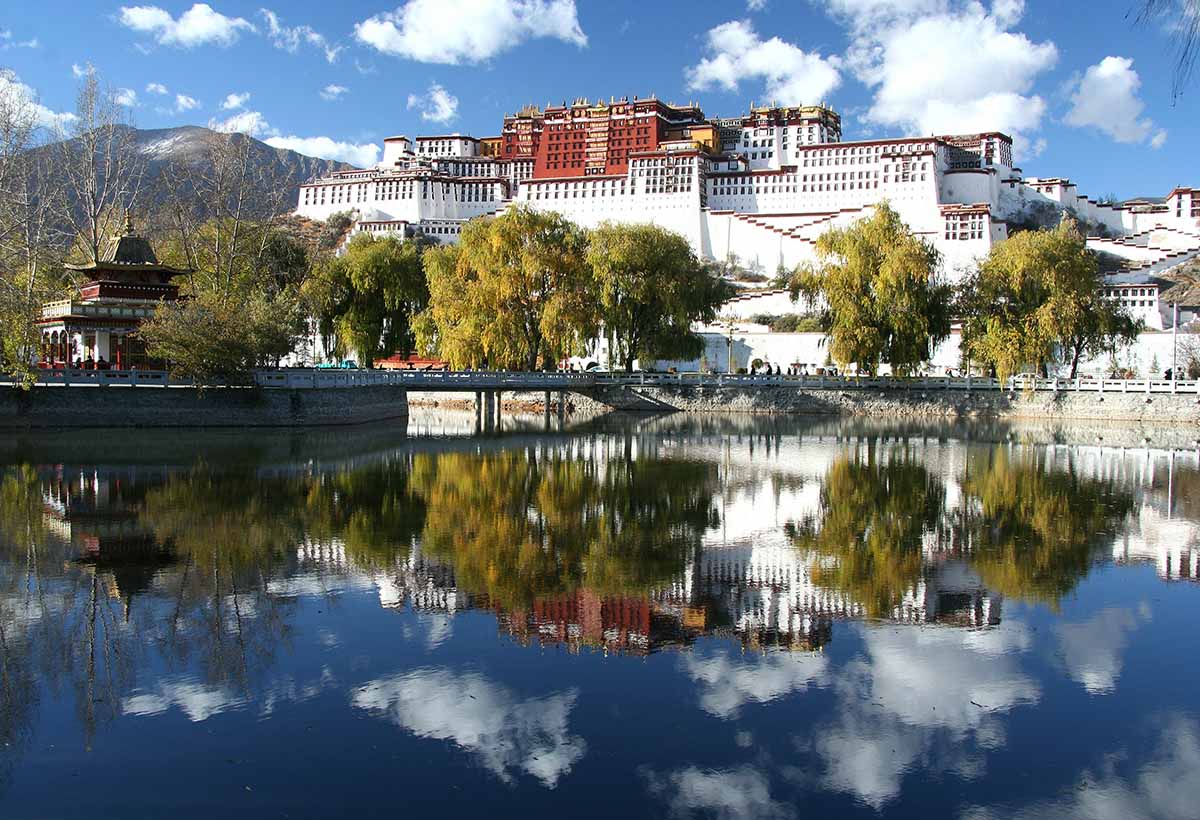
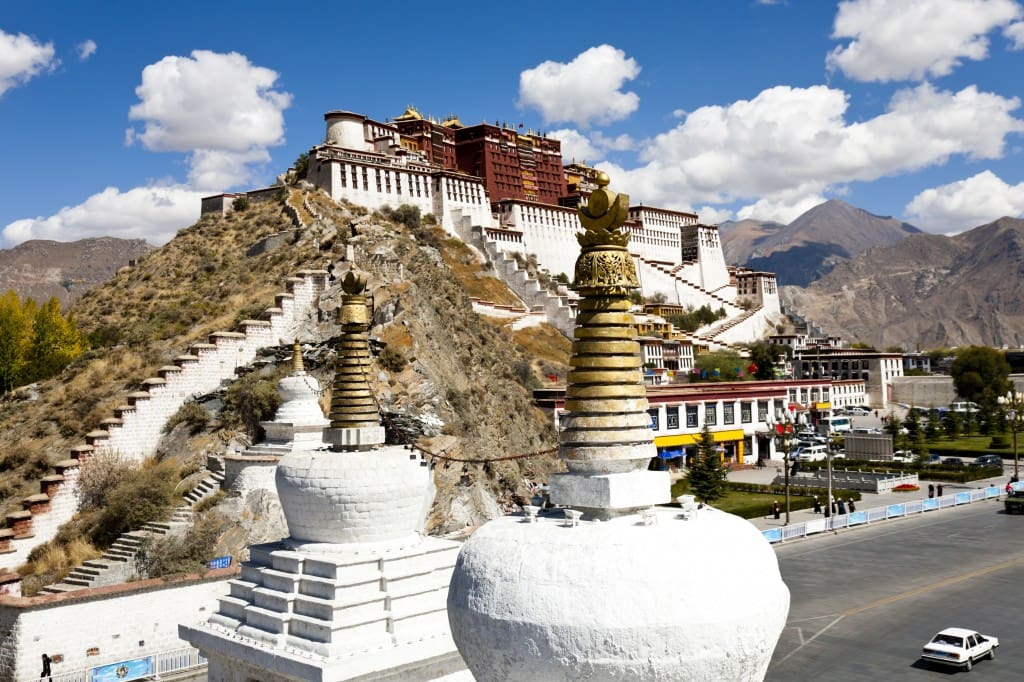
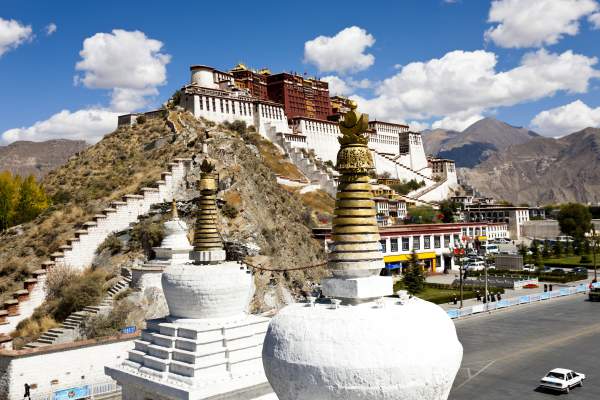
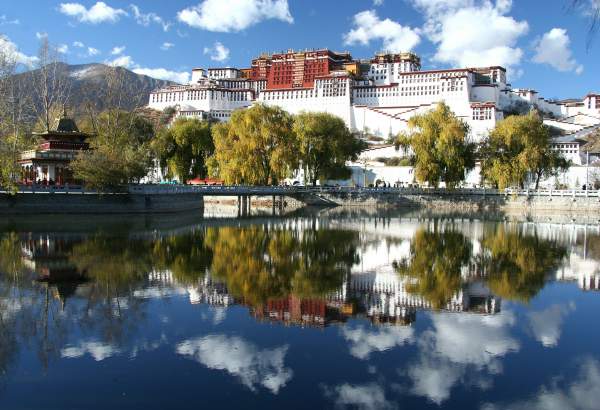
Tibet’s cultural heritage is deeply rooted in Tibetan Buddhism, which permeates every aspect of life. The iconic Potala Palace in Lhasa, once the winter residence of the Dalai Lama, is a symbol of Tibetan spirituality and architectural splendor. The Jokhang Temple, the holiest temple in Tibet, draws pilgrims from all corners of the region who come to pay their respects and walk the kora (circumambulation).
Monasteries like Sera, Drepung, and Ganden are centers of learning and devotion, where travelers can witness monks debating sacred texts and chanting prayers. These monasteries offer a glimpse into the spiritual practices that have sustained Tibetan culture for centuries.
The Lifestyle: Simple and Devout
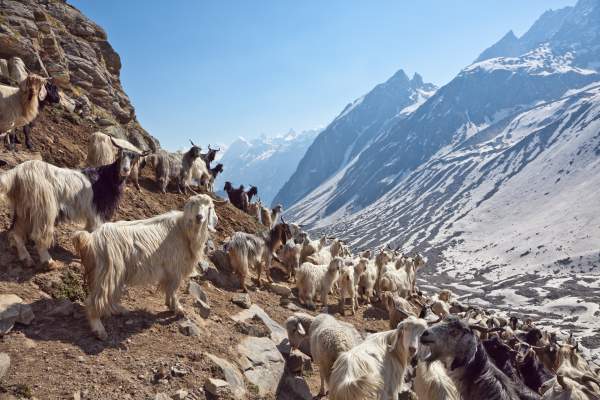
The lifestyle in Tibet is simple, reflective, and deeply connected to spiritual traditions. Daily life is intertwined with religious practices, from the spinning of prayer wheels to the lighting of butter lamps. In rural areas, nomadic communities continue to live in harmony with nature, herding yaks and practicing age-old customs that have been passed down through generations.
The bustling Barkhor Street in Lhasa encapsulates the essence of Tibetan life, where pilgrims, traders, and travelers come together. This vibrant market area is filled with traditional handicrafts, religious items, and local foods, providing a window into the everyday life of the Tibetan people.
Natural Beauty: The Majesty of the Himalayas
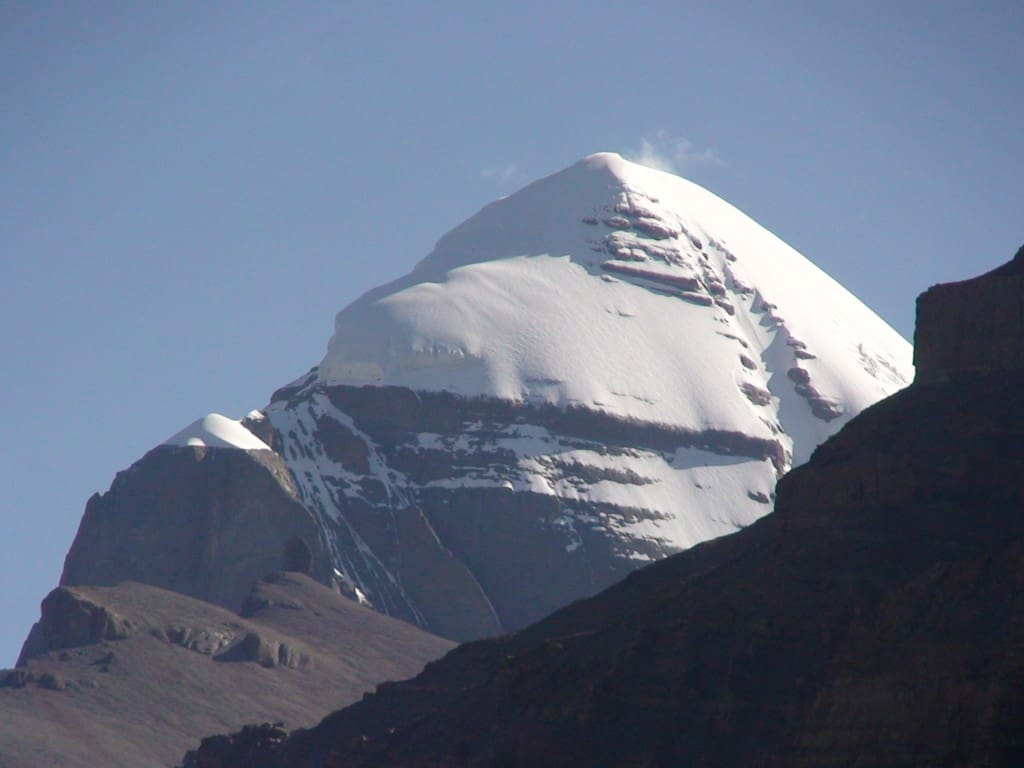
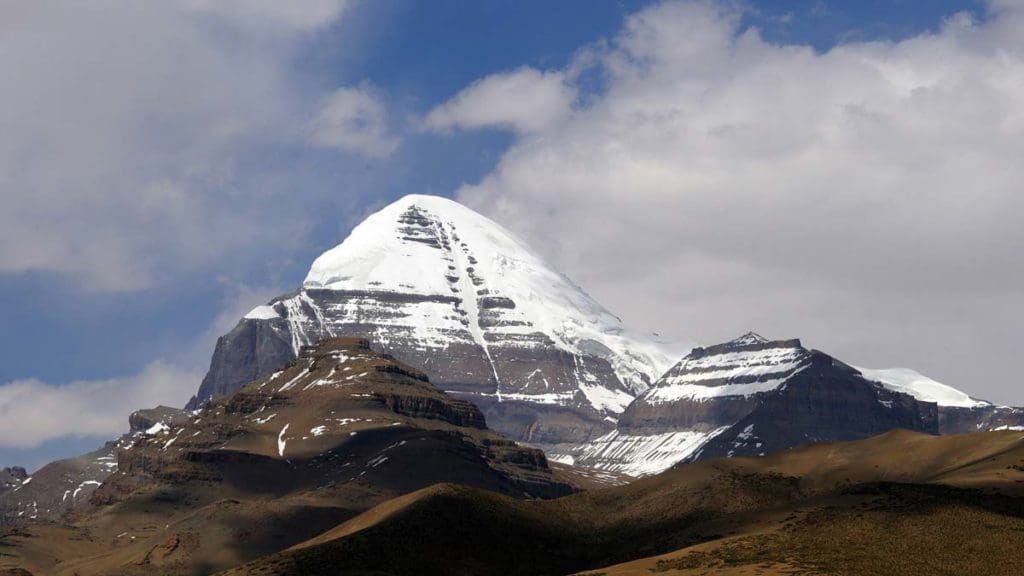
Tibet’s natural beauty is unrivaled, with the Himalayas as its most striking feature. The region is home to the majestic Mount Everest (Chomolungma), the highest peak in the world, which can be viewed from the Everest Base Camp. The journey to this site offers panoramic views, high-altitude landscapes, and a sense of awe that only the Himalayas can inspire.
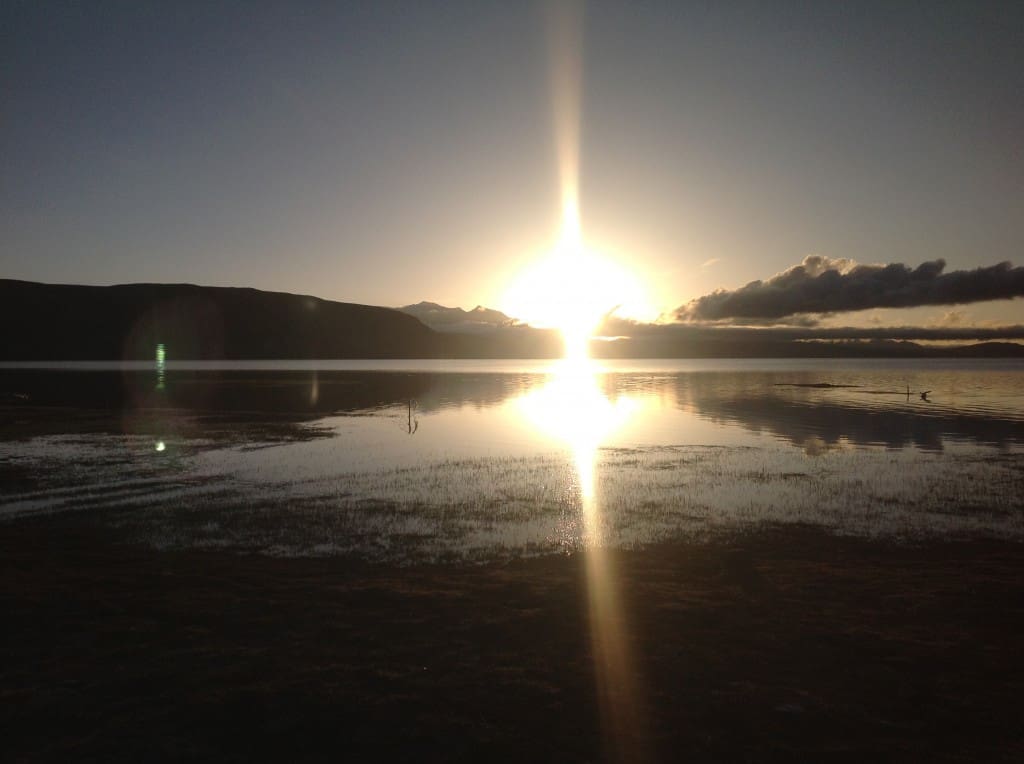
The stunning Namtso Lake, known as the “Heavenly Lake,” is a sacred site surrounded by snow-capped peaks and vast grasslands. The serene waters of Yamdrok Lake, one of Tibet’s three sacred lakes, are another highlight, offering turquoise hues and breathtaking vistas that reflect the grandeur of the Tibetan plateau.
Wildlife and Conservation
Tibet’s diverse ecosystem is home to unique wildlife adapted to its high-altitude environment. The Changtang Nature Reserve is a sanctuary for rare species like the Tibetan antelope (chiru), snow leopard, and wild yak. The conservation efforts in these regions aim to protect the fragile habitat and ensure the survival of these remarkable creatures.
Birdwatchers will find joy in spotting species such as the black-necked crane, a bird revered in Tibetan culture and often seen in the wetlands and lakes of the plateau.
Experience Tibetan Cuisine: A Taste of Tradition
Tibetan cuisine is hearty and well-suited to the high-altitude climate. Staples include tsampa (roasted barley flour), often mixed with butter tea, and momo (dumplings) filled with meat or vegetables. Yak meat dishes and butter tea are commonly served, providing warmth and sustenance.
Local markets offer a variety of foods and snacks, such as thukpa (noodle soup) and sweetened yak yogurt. Travelers seeking to learn more about Tibetan food can join a cooking class to gain hands-on experience in preparing these traditional dishes and understanding their cultural significance.
An immersive travel experience in Tibet is an exploration of culture, nature, and lifestyle that leaves a lasting impression. Whether marveling at the grandeur of Potala Palace, hiking in the shadow of Mount Everest, or sharing a meal with locals, Tibet offers a journey that touches the soul and awakens the spirit.
Let Tibet transport you to a world where tradition and natural wonder come together, creating memories that will last a lifetime.
Featured Places in Tibet
Discover some of our most sought-after places, from timeless icons to hidden gems.
Suggested Itineraries in Tibet
Carefully crafted itineraries for an unforgettable journey.
Best of China & Tibet: Temples, Palaces, Mountains, Culture, History & Spirituality
Tibet, China
- Cultural Holidays
- Trekking Holidays
Lhasa to Everest Base Camp: Himalayas, Monasteries, Culture & Scenic Views
Tibet
- Cultural Holidays
- Adventure Holidays
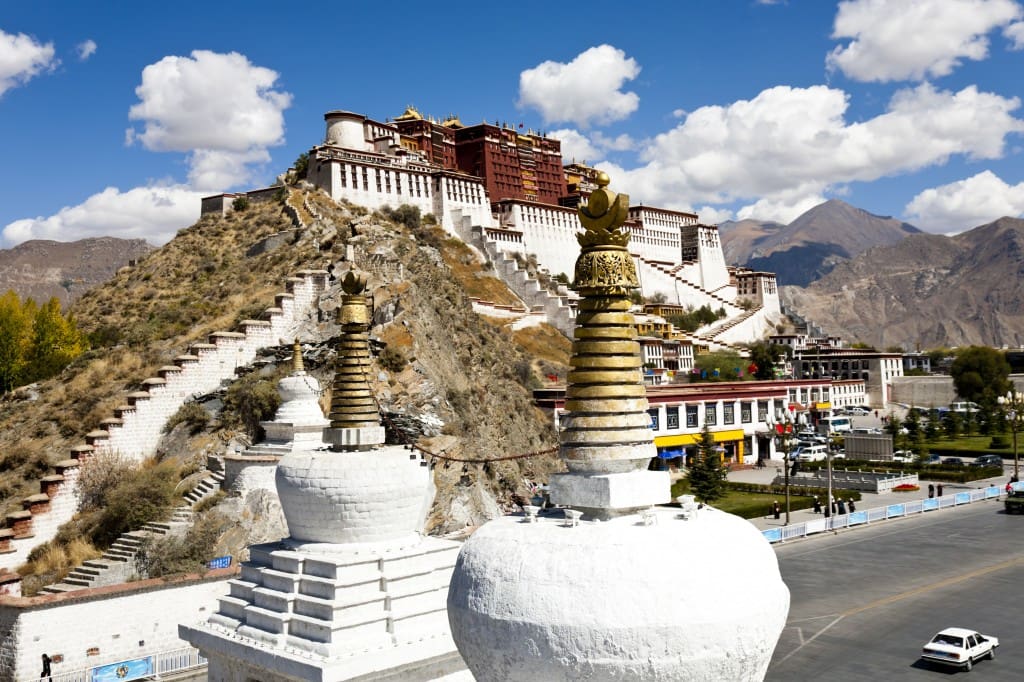
Himalayan Journey: Nepal to Tibet – Culture, Monasteries & Landscapes
Nepal, Tibet
- Cultural Holidays
- Multi Country
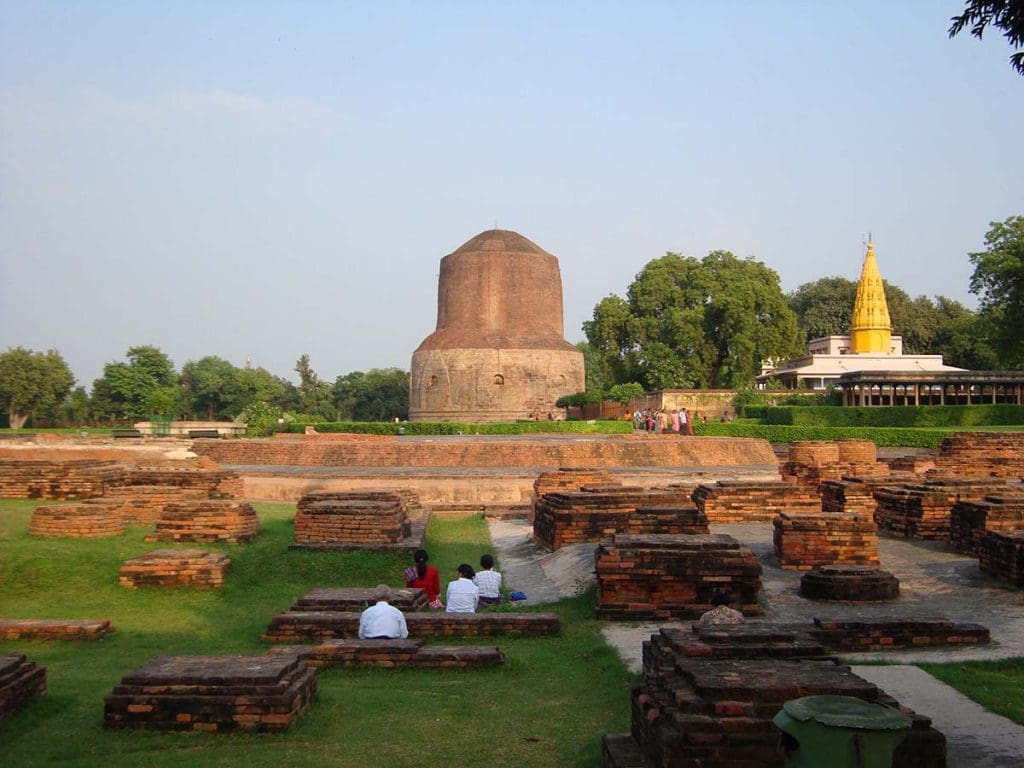
Buddha’s Legacy: Temples, Monasteries, Culture & Himalayan Landscapes
Nepal, India, Bhutan
- Lumle Luxury
- Cultural Holidays
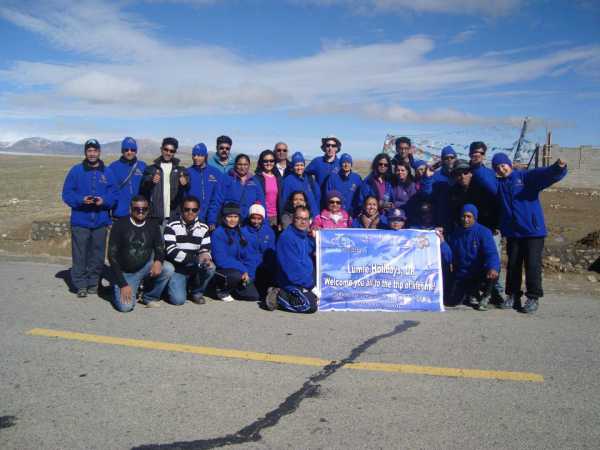
Lhasa, Mt Everest & Mt Kailash Tour: Culture, Himalayas & Sacred Sites
Tibet
- Cultural Holidays
- Small Group
- Pilgrimage Holidays
Essential Tibet Travel Guide
Everything you need to know to plan your perfect Tibet adventure.


Tibet Travel Information
Essential information for your Tibet holiday. Content is tailored to your selected market.
Best time to visit
The best time to visit China is spring (April–June) and autumn (September–October), with mild weather and clear skies ideal for sightseeing.
Flight time
Flights from the US to Beijing take around 20 hours with one-stop connections via Hong Kong, Istanbul, Dubai, or Seoul. No direct flights are currently available.
Recommended airlines
Emirates, Cathay, Air China, Turkish Airlines, and Korean Air offer one-stop flights. Our packages include one-stop flights, with preferred airline options available at an extra cost.
Visa & entry requirements
US citizens require a tourist visa to visit China. Entry requirements may change, so travellers should check with the Chinese Embassy or official sources before departure. It is your responsibility to check and meet entry requirements before travel.
Time difference
UTC +8 hours (China is 13 hours ahead of New York during standard time and 12 hours ahead during daylight saving time)
Search our FAQs
What can we help you with today?
Tibet Travel FAQs
Everything you need to know about planning and taking your journey.
Good to know before you go Tibet
Before You Go to Tibet: Essential Travel Tips Tibet is a mystical and remote destination that offers breathtaking landscapes, ancient monasteries, and deep-rooted spirituality. Due to its high altitude and unique culture, it’s important to be well-prepared before embarking on your journey to the “Roof of the World.” Here are some key things you need to know before you go to Tibet. 1. Visa and…
Before You Go to Tibet: Essential Travel Tips
Tibet is a mystical and remote destination that offers breathtaking landscapes, ancient monasteries, and deep-rooted spirituality. Due to its high altitude and unique culture, it’s important to be well-prepared before embarking on your journey to the “Roof of the World.” Here are some key things you need to know before you go to Tibet.
1. Visa and Travel Permit Requirements
To visit Tibet, you need two documents: a Chinese visa and a Tibet Travel Permit. The Chinese visa can be obtained through the Chinese embassy in your home country. Once you have your Chinese visa, you must arrange a Tibet Travel Permit, which can only be obtained through a licensed travel agency in Tibet. This permit is required for entry and travel within the region.
2. Best Time to Visit Tibet
The ideal time to visit Tibet is from April to October, when the weather is mild and most attractions are accessible. During these months, you can enjoy clear skies, perfect for trekking and sightseeing. Winters (November to March) are extremely cold, especially in high-altitude areas, but lower regions like Lhasa remain open and quieter with fewer tourists.
3. Preparing for Altitude Sickness
Tibet’s average elevation is over 4,000 meters (13,000 feet), and many visitors experience altitude sickness. Symptoms include headaches, nausea, and shortness of breath. To acclimatize, it’s recommended to spend your first few days in Lhasa, where the altitude is lower, before traveling to higher areas. Avoid strenuous activities in the beginning, stay hydrated, and consider bringing altitude sickness medication.
4. Packing Essentials for Tibet
Packing for Tibet requires preparation for a range of weather conditions. Here’s what you should pack:
- Layered clothing: Temperatures can fluctuate greatly between day and night. Bring warm layers, especially for evenings.
- Sun protection: Tibet’s high altitude means stronger UV rays. Bring sunscreen, sunglasses, and a hat.
- Comfortable walking shoes: For exploring monasteries and trekking.
- Personal medication: Don’t forget altitude sickness medication and any personal medications you may need.
- Reusable water bottle: You’ll need to stay hydrated, especially at high altitudes.
5. Currency and Payments
The official currency in Tibet is the Chinese Yuan (CNY). In major cities like Lhasa, you’ll find ATMs that accept international cards, but it’s important to carry cash when traveling to rural or remote areas. Credit cards are accepted in most upscale hotels and shops in Lhasa, but smaller establishments and rural areas are cash-only.
6. Health and Vaccinations
No specific vaccinations are required for entry to Tibet, but it’s recommended to be up-to-date on routine vaccinations such as MMR, diphtheria, and tetanus. Due to Tibet’s high altitude and remote location, it’s important to have travel insurance that covers medical evacuation in case of emergencies. Carry a small first aid kit with basic medications, including altitude sickness medication, pain relievers, and stomach remedies.
7. Cultural Etiquette in Tibet
Tibet is a deeply spiritual region, and it’s important to respect local customs and religious traditions:
- Dress modestly: When visiting monasteries and religious sites, cover your shoulders and knees.
- Photography: Always ask for permission before photographing people, especially monks, and never photograph inside temples unless explicitly allowed.
- Respect religious practices: Walk clockwise around sacred sites, stupas, and prayer wheels.
- Avoid political discussions: Topics related to Tibet’s political situation are sensitive, and it’s best to avoid such discussions with locals.
8. Transportation in Tibet
Tibet has limited public transportation options, so most travelers explore the region through guided tours. Your tour operator will arrange transportation, whether it’s private vehicles for road trips or flights between major cities. The Qinghai-Tibet Railway is a popular option for reaching Lhasa, offering scenic views of the Tibetan Plateau.
9. Food and Water Safety
Tap water in Tibet is not safe to drink, so it’s important to drink bottled or boiled water. Many hotels provide boiled water for guests. Tibetan cuisine is simple but hearty, with staples like tsampa (roasted barley flour), yak butter tea, and various noodle dishes. Be cautious when eating at street stalls, especially with raw or undercooked food.
10. Booking a Tour in Tibet
Foreign travelers to Tibet must book their trip through a licensed travel agency. Independent travel is not permitted, and your tour operator will handle all logistics, including obtaining your Tibet Travel Permit, arranging transportation, and providing a guide. It’s important to book with a reputable tour agency to ensure that your travel experience is smooth and enjoyable.
By keeping these tips in mind and preparing in advance, your trip to Tibet will be a rewarding and enriching experience. From the spiritual allure of the Potala Palace to the natural beauty of the Himalayan landscapes, Tibet promises to leave you with lasting memories.
Ready to experience Tibet?
Explore our carefully planned Tibet holidays or speak to us about creating a journey tailored around you.
Need some help? Call 1-888-214-4856
Start Planning Your Tibet Journey
Our travel specialists have explored every corner of Tibet. Speak with us today to customize your perfect adventure.

